
As Brussels prepares to mark the 30th anniversary of its Pride Parade, a stark contrast emerges with the situation in Senegal. While Europe celebrates decades of progress in LGBTQIA+ rights, Dakar faces a growing wave of repression against sexual minorities. A newly enacted law has dramatically intensified the persecution of homosexual individuals, positioning Senegal among Africa’s most repressive nations.
The legislation, signed by President Bassirou Diomaye Faye, doubles the maximum prison sentence for “unnatural acts” from five to ten years and increases fines tenfold, reaching up to 10 million West African CFA francs (over €15,000). The bill, introduced by Prime Minister Ousmane Sonko as a “sovereignty project,” was unanimously approved by the Senegalese National Assembly on March 11, 2026, with 135 votes in favor and none against.
escalation of violence and systemic persecution
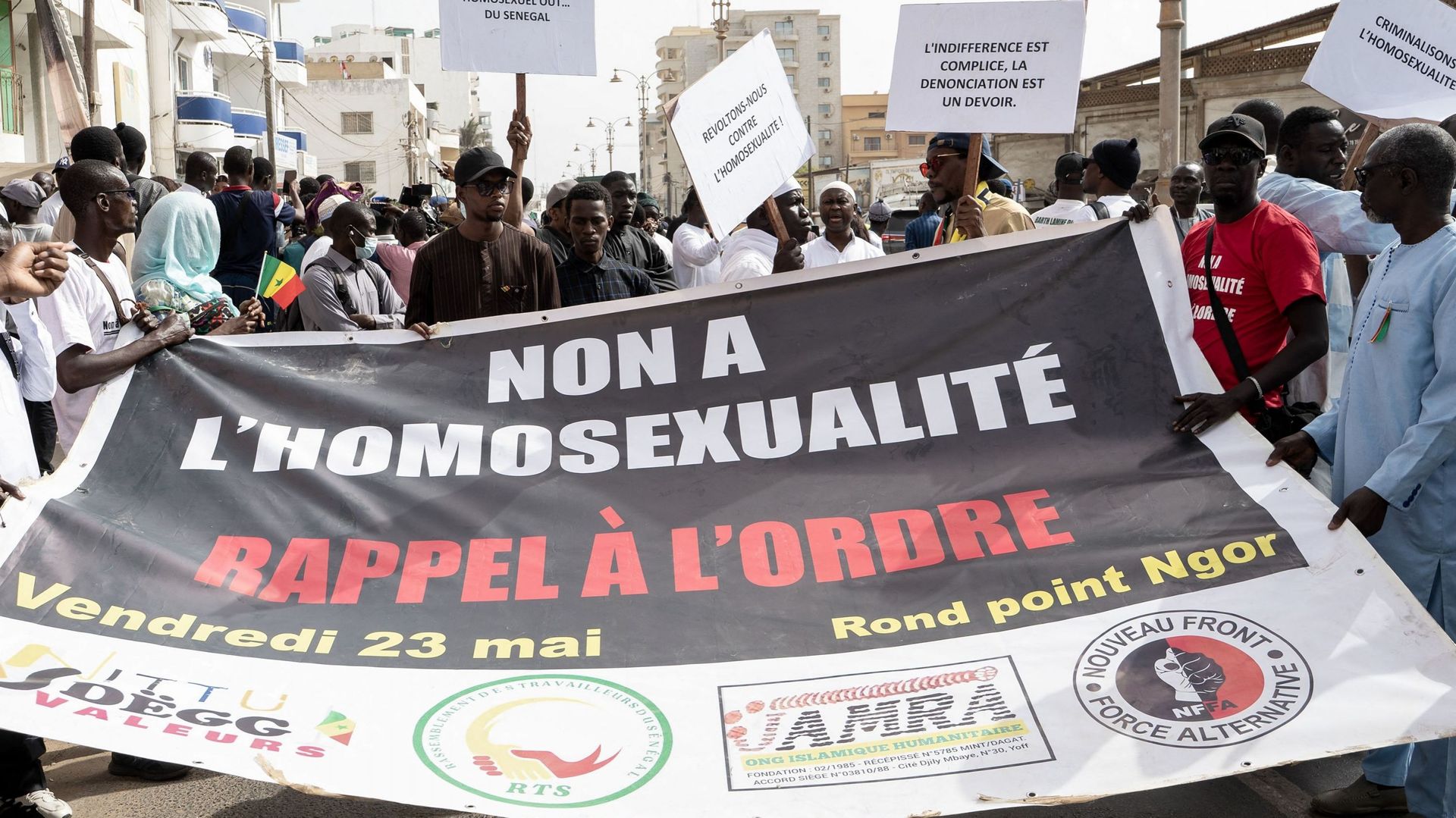
The consequences of this law have been immediate and severe. In recent weeks, over a hundred individuals suspected of homosexuality have been arrested. Some face mob violence rather than imprisonment, as crowds take “justice” into their own hands. “You live in constant fear of being caught. You have to hide, always afraid. This isn’t living,” confided a young man from Dakar. His words echo the sentiment gripping the LGBTQIA+ community in Senegal.
The climate of fear is fueled by rhetoric from influential figures. “They’ve made people believe that hating homosexuals makes you more devout. If you kill one, you’ll go to paradise. Who you love—men or women—is personal. It’s between you and God,” he added, highlighting how religious leaders and political figures manipulate public sentiment.
The situation has escalated to the point where even expatriates are not safe. The arrest of a French engineer shocked the international community. “They knocked on his door, he opened it, and they grabbed him. It was a raid—no warning, no due process,” recounted a friend, underscoring the arbitrary nature of enforcement.
political and religious manipulation behind the crackdown
The surge in anti-LGBTQIA+ sentiment is not organic—it is systematically encouraged by those in power. The religious group And Sàmm Jikko Yi, which lobbied aggressively for the law, has labeled homosexuals a “public danger.” Its president, Imam Babacar Sylla, has publicly claimed without evidence that they “deliberately spread diseases,” revealing a complete lack of empathy for the community.
This rhetoric is part of a calculated strategy to distract from Senegal’s economic struggles. By framing homosexuality as a “Western import” incompatible with Senegalese values, the government diverts attention from pressing domestic issues, including a deepening recession.
a devastating blow to human rights and public health
International human rights organizations have sounded the alarm. “A law like this doesn’t protect anyone—it exposes already vulnerable individuals to violence, arbitrary arrests, and humiliation,” warned Drissa Traoré, Secretary-General of the International Federation for Human Rights (FIDH). The legislation also criminalizes any form of advocacy or support for LGBTQIA+ rights, severely restricting freedom of expression.
The impact on public health is equally alarming. HIV testing rates are plummeting as individuals fear carrying condoms or lubricants could lead to persecution. “People are terrified of being tracked or prosecuted. Those who are HIV-positive will struggle to access treatment,” explained a representative from a Senegalese LGBTQIA+ rights organization. This regression threatens decades of progress in combating the virus.
The situation in Senegal reflects a broader trend across Africa, where 31 of the continent’s 54 nations criminalize homosexuality—mirroring policies in 21 Asian countries. While Uganda and Nigeria are notorious for their extreme anti-LGBTQIA+ laws, Senegal, once seen as a bastion of stability, now joins their ranks. For those affected, exile or silence are often the only viable options.