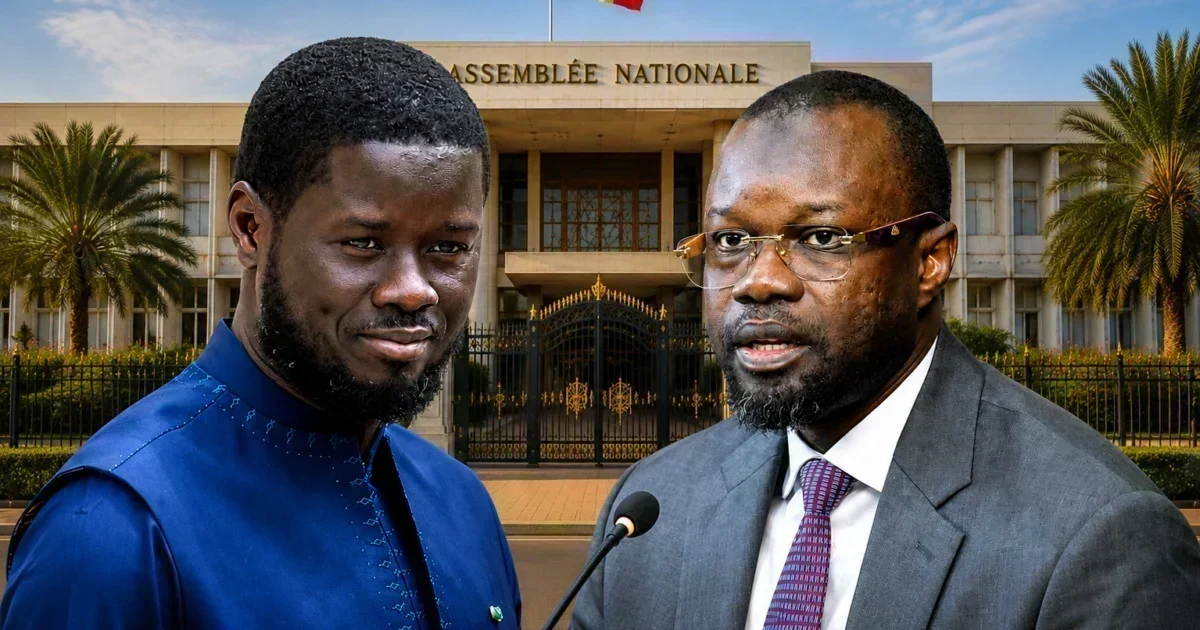

Senegal’s parliament rejects government amendments on special credits bill
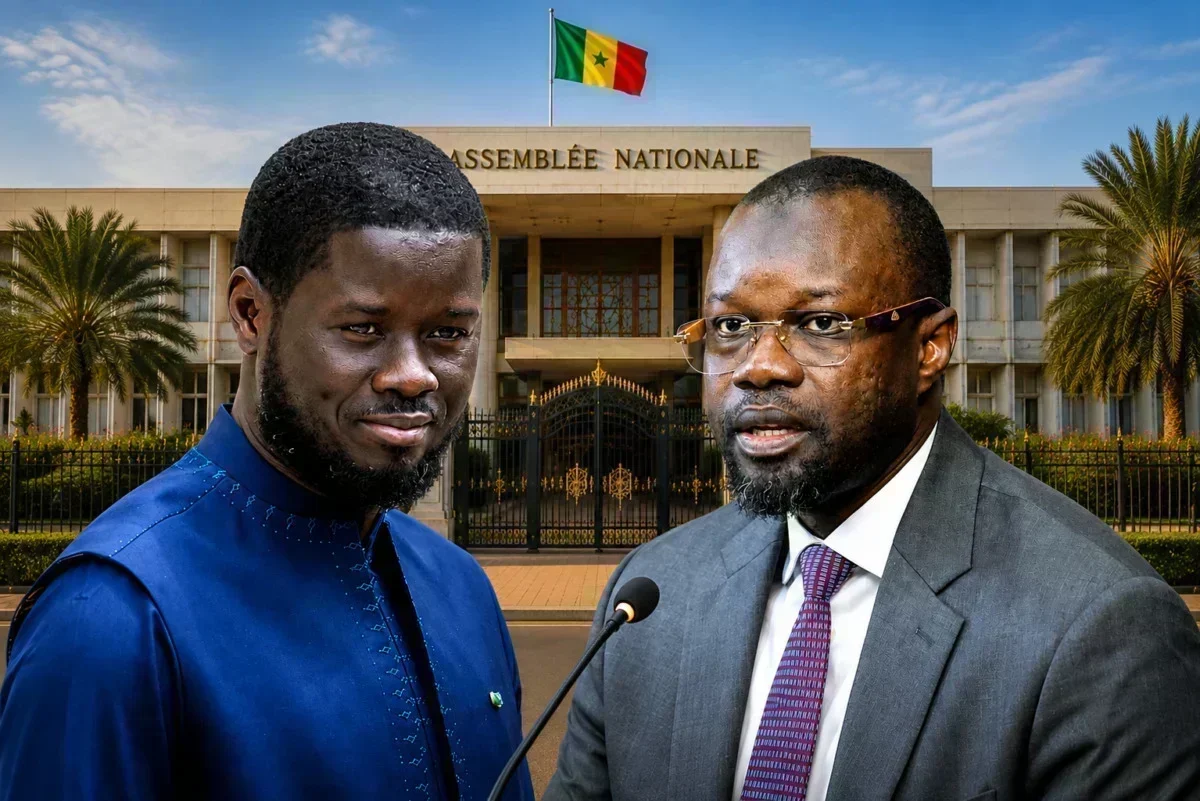
Tensions escalate in Senegal’s National Assembly as the executive and legislative branches clash over legal procedures and reform proposals.
The delicate balance of power in Senegal’s legislature continues to fracture as the National Assembly’s Finance Committee rejected all six amendments proposed by the government during technical review of the special credits bill. The standoff highlights growing friction between President Bassirou Diomaye Faye’s administration and lawmakers from the Pastef coalition.
The dispute centers on a bill introduced by opposition lawmakers Guy Marius Sagna, Mame Diarra Bèye, and Alphonse Mané Sambou, aimed at tightening oversight of special government funds. Instead of the expected presence of Cheikh Diba, Senegal’s Minister of Economy, Finance and Planning, the government sent Justice Minister Moussa Sarr—a move seen as deliberate provocation.
Technical committee proceedings began under the leadership of Finance Committee Chair Cherif Ahmed Dicko, with Minister Sarr immediately raising objections to the bill’s drafting inconsistencies. He proposed six amendments, all of which were swiftly dismissed by Pastef deputies, who suspended proceedings before resuming after prolonged discussions.
Government’s amendments face unanimous rejection
The Ministry of Justice’s proposals were met with immediate resistance. All six amendments were struck down, with only one modification from Deputy Alphonse Mané Sambou surviving the vote. His revision expanded parliamentary oversight by granting the Finance Committee exclusive authority to monitor special credit expenditures, requiring detailed accounting records from fund managers.
The rejected amendments included controversial expansions of eligible recipients for special funds—beyond the presidency—to include the National Assembly and Prime Minister’s office. The government also sought to broaden the definition of special credits to encompass social, political, and institutional operating expenses, contrary to the bill’s original intent of restricting funds to defense and national security.
Defining special credits remains a point of contention
Disagreement persists over the scope of special credits. While opposition lawmakers advocate for a narrow definition focused solely on defense, security, and intelligence operations, the government argues for a broader interpretation that includes humanitarian emergencies, social distress scenarios, and preservation of national stability and African solidarity values.
Control mechanisms present another divide. The executive branch insists on existing regulatory frameworks for fund oversight, whereas legislators insist the Finance Committee must conduct compulsory audits. The adopted amendment by Mané Sambou now mandates that fund managers maintain comprehensive documentation for verification purposes.
The technical committee ultimately approved the opposition’s bill by majority vote. The full legislature is scheduled to review the measure next week, where further government amendments are expected to be rejected again. With tensions rising, Minister Moussa Sarr may invoke Article 82 to force a blocked vote, though Assembly President Ousmane Sonko has previously stated he would oppose such measures except in cases involving government bills—setting the stage for another constitutional referral.