
Diplomatic tensions flare as Senegal vs Morocco football feud persists
The unresolved dispute over the Africa Cup of Nations final continues to cast a shadow over Senegal-Morocco relations, even as leaders gathered for the Africa-France summit in Nairobi. President Bassirou Diomaye Faye of Senegal seized the opportunity to highlight his nation’s triumph, sparking an emotional response in the audience and drawing the ire of Moroccan officials who chose to avoid the sports session entirely.
Senegal’s president leverages sporting victory for diplomatic gain
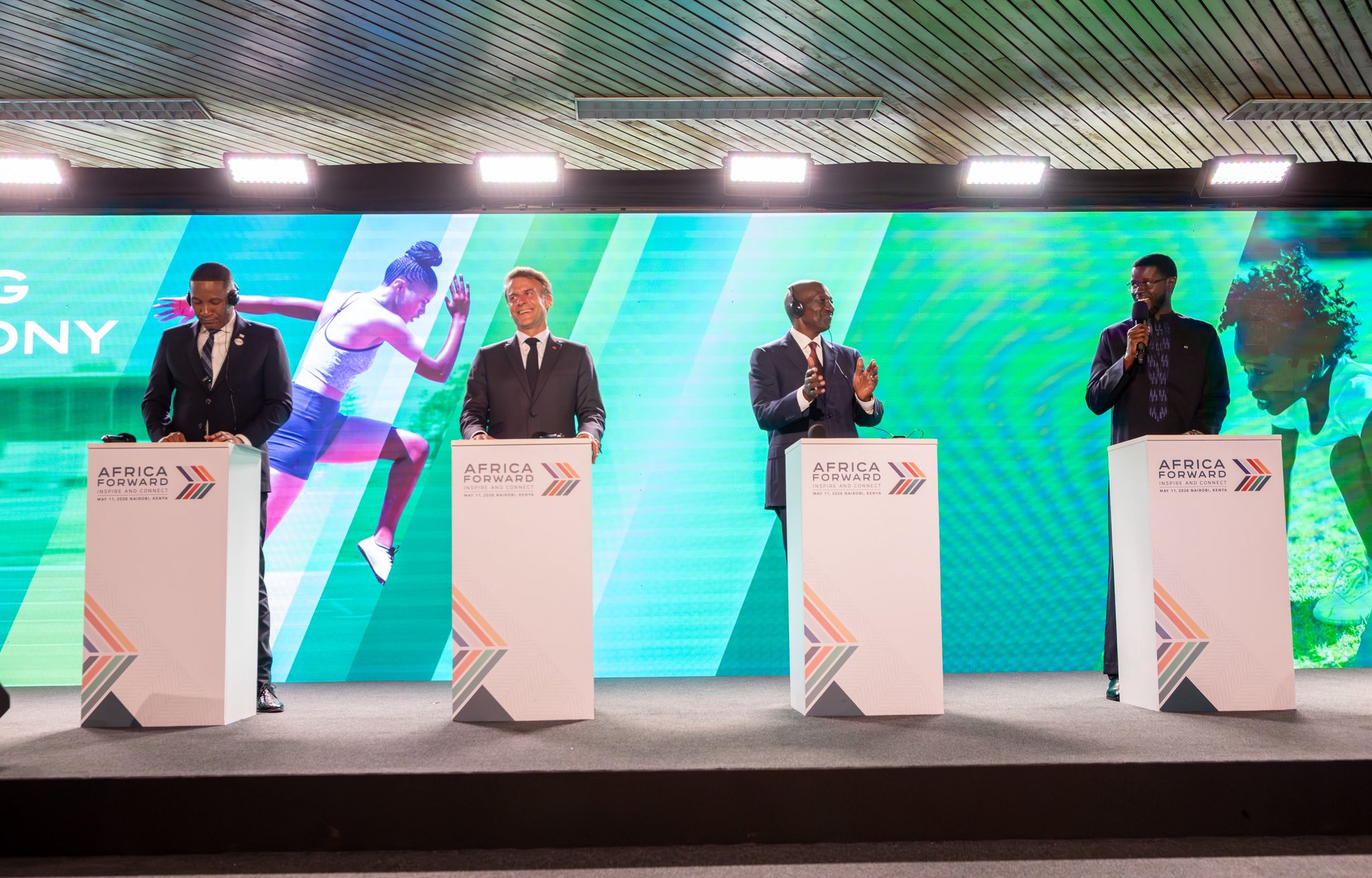
Speaking during the “Sport and Development” segment of the summit, President Faye did not shy away from referencing the controversial March 17 decision by the CAF Appeals Jury. The jury awarded Morocco a 3-0 victory on appeal, overturning Senegal’s 1-0 win on the field in Rabat on January 18. Faye’s ironic remark—”Thank you for this verdict!”—drew laughter and applause from the audience, including French President Emmanuel Macron, while CAF President Patrice Motsepe appeared visibly uncomfortable.
The Senegalese Football Federation (FSF) has since filed an appeal with the Court of Arbitration for Sport (CAS) in Lausanne, challenging both CAF and the Royal Moroccan Football Federation (FRMF). With defense briefs now submitted, the legal battle could drag on for months, leaving the football world waiting for closure.
Morocco skips sports session as diplomatic tensions simmer
While Morocco sent Prime Minister Aziz Akhannouch to discuss industrial and renewable energy collaborations, no Moroccan officials attended the sports-focused portion of the summit. A source close to the dossier described the absence as intentional: “They did not prioritize this session.” Four months after the chaotic final at the Moulay Abdellah Stadium, both sides continue to sidestep the issue, with conversations in Nairobi carefully avoiding any mention of the dispute.
French Minister of State for Development, Eléonore Caroit, stated after the closing plenary, “Given the scale of the issue, I expected to hear about it. I participated in many roundtables over two days, but personally heard nothing on the subject and did not sense any tension.” Meanwhile, French Foreign Minister Jean-Noël Barrot acknowledged the dispute was not raised during formal sessions but confirmed it remained a topic in bilateral discussions, adding, “This is not just about football.”
Legal and humanitarian fallout from the final
The fallout extends beyond the pitch. A French national, brother of a Senegalese staff member, was imprisoned in Rabat for allegedly throwing a water bottle at security forces during post-match unrest. After serving three months and maintaining his innocence, he was released on April 18. Three of the 18 Senegalese supporters sentenced to three months in prison for violence and property damage were also freed on the same day, though 15 others remain detained pending a potential royal pardon—a prerogative solely of King Mohammed VI of Morocco.
Diplomatic rhetoric softens but underlying tensions remain
Despite public statements aiming to downplay the conflict, both nations acknowledge the strain. Moroccan officials emphasized that “religious and historical ties between our countries must always take precedence over a football match.” In Dakar, authorities adopted a measured tone: “This is a quarrel among brothers—like the tongue and teeth, sometimes we bite. The diplomatic path will play its role. Senegal respects the sovereignty of every nation and expects the same in return.”
Regulatory changes are already underway. At FIFA’s April congress in Vancouver, the International Football Association Board (IFAB) adopted a new rule dubbed the “Pape Thiaw Law,” named after Senegal’s head coach. It empowers referees to issue red cards to players who leave the field in protest or to coaching staff who incite such actions. A CAF delegate present at the congress remarked with dry humor that the reform aims to prevent a “Senegalization” of global football.
From legal appeals in Lausanne to political dialogues in Nairobi and humanitarian concerns in Rabat, the Africa Cup of Nations final has become one of the most protracted sagas in African football history.