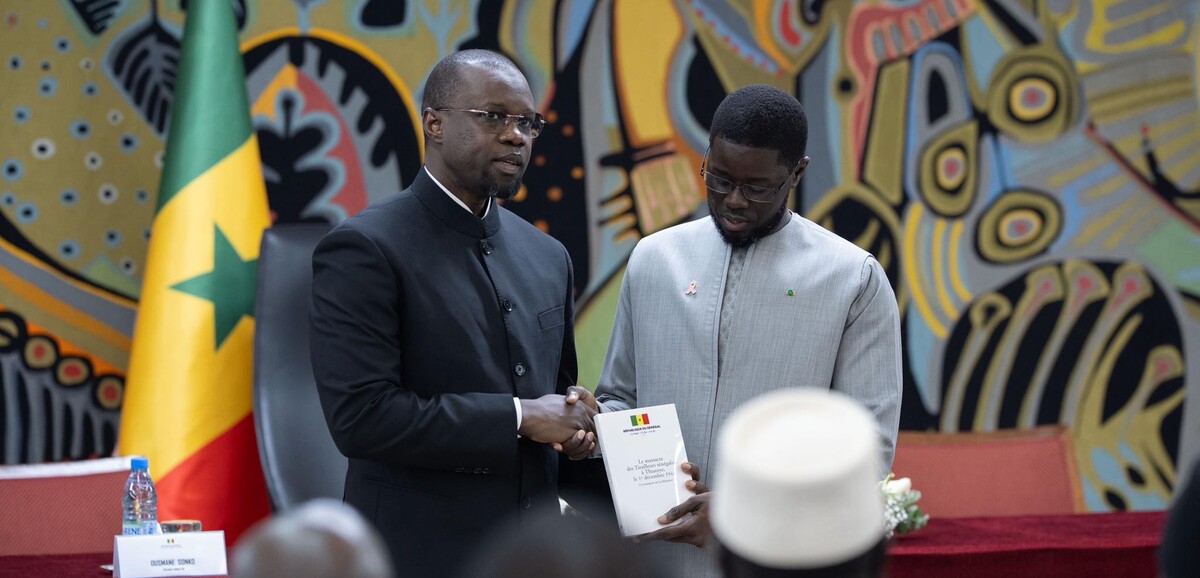

Senegal: Ousmane Sonko Elected President of National Assembly as New Prime Minister Takes Office
Five days after his dismissal as Prime Minister, Ousmane Sonko secured a pivotal political appointment this week.
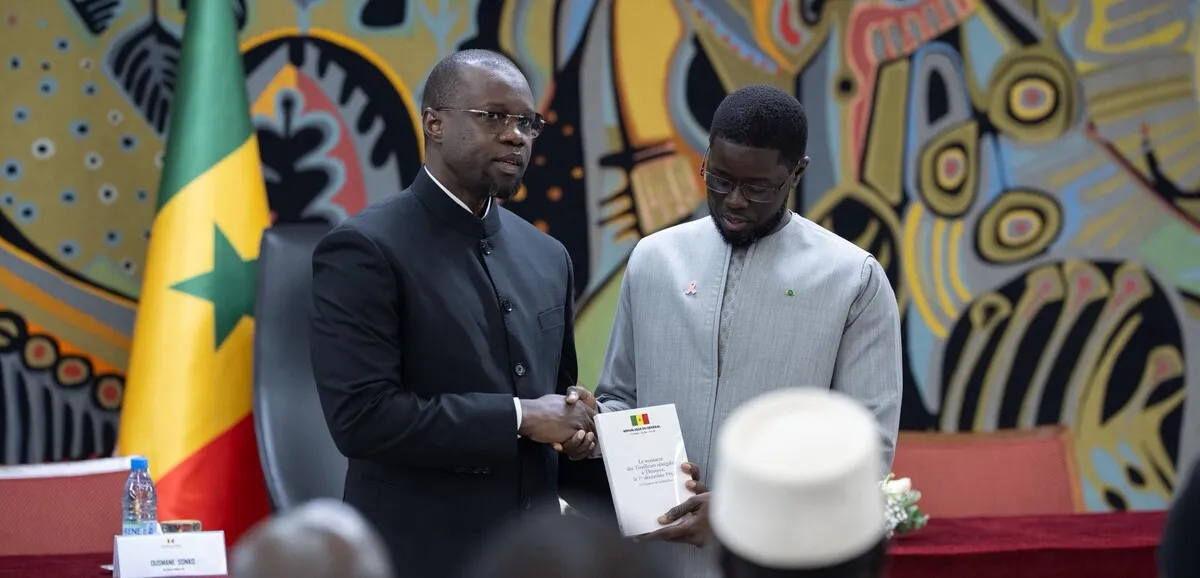
From Prime Minister to Assembly Speaker: Sonko’s Political Comeback
Just five days after being removed from his role as head of government, Ousmane Sonko reclaimed his position as a deputy before ascending to the presidency of Senegal’s National Assembly. The move has sparked debate, particularly regarding the legality of his reinstatement. Could Sonko’s return to the Assembly have followed proper parliamentary procedures?
The answer may lie in constitutional interpretations. Sonko led the winning party list in the 2024 elections but chose to serve as Prime Minister instead. Following his dismissal, he sought to return to the Assembly, prompting legal and procedural discussions among experts.
A Technical Profile for Challenging Economic Times: Amadou Al-Aminou Lo Takes Over as Prime Minister
President Bassirou Diomaye Faye appointed Amadou Al-Aminou Lo as the new Prime Minister, a decision that reflects a strategic approach to governance. Lo, an economist and former central banker, brings technical expertise in finance and monetary policy—critical skills in Senegal’s current economic climate.
The choice emphasizes competence over political alignment, though Lo’s prior collaboration with both the President and Sonko adds a layer of continuity. Could this appointment bridge gaps between political factions? Sonko himself welcomed the nomination, though he expressed disappointment at not being consulted, citing his role as leader of the largest political force in the country.
Dialogue or Division? Sonko’s Call for Inclusive Governance
During his inaugural address as Assembly President, Sonko signaled openness to dialogue, stressing the importance of collaboration with the executive branch. While the President holds constitutional authority over ministerial appointments, Sonko highlighted the need for consultation, framing it as essential for national cohesion.
Will the PASTEF party gain representation in the new government? Sonko’s remarks suggest that alignment with the party’s principles—economic reform, accountability, and justice—matters more than individual appointments. However, some ministers from Sonko’s previous administration, who are PASTEF members, may retain their roles.
The political landscape remains fluid, with Sonko’s leadership at the Assembly poised to shape future governance. His emphasis on shared national priorities hints at a potential path forward, though the absence of PASTEF ministers in key positions could signal deeper tensions.