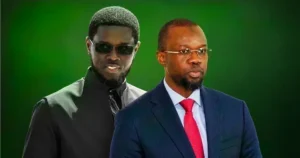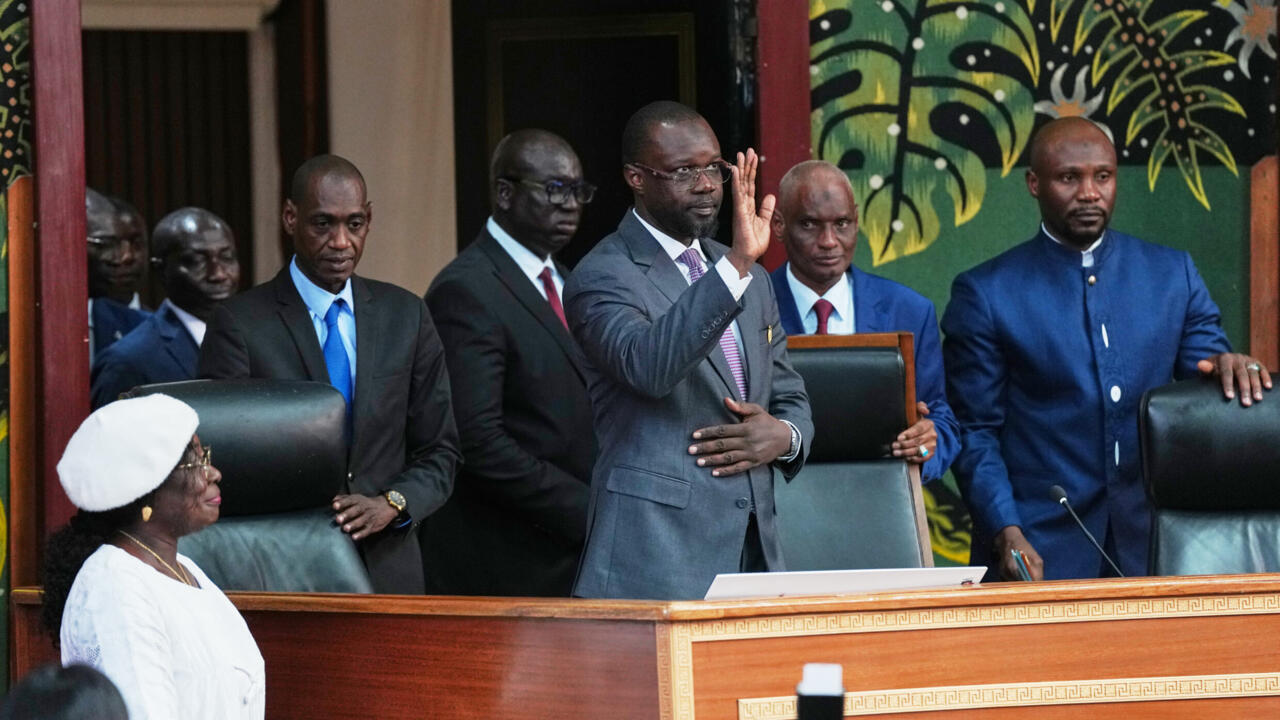

In Senegal, the election of opposition leader Ousmane Sonko as President of the National Assembly has raised questions about how President Diomaye Faye will govern with an unfriendly legislature. The vote, held Tuesday morning, marks a significant shift in the political landscape, with Sonko pledging not to “create an institutional crisis” while warning that the Assembly would not serve as a mere “rubber stamp” for government decisions.
What does Sonko’s rise mean for Senegal’s political future?
Sonko’s unexpected election to the Assembly’s top post introduces a new dynamic in Senegal’s governance. His party, which now holds the presidency of the legislature, has signaled it will actively challenge executive decisions. This raises concerns about potential legislative gridlock, though Sonko has emphasized his commitment to avoiding unnecessary confrontation.
Political analysts suggest that while Sonko’s leadership could lead to difficult cohabitation—a situation where the president and legislature are from opposing political forces—it also presents an opportunity for constructive dialogue. The real test will be whether both sides can find common ground to address pressing national issues, from economic reforms to social stability.
Could this lead to early legislative elections?
One of the biggest questions now is whether President Faye will dissolve the National Assembly and call for snap legislative elections. Such a move could reshape the political balance, but it also carries risks. Disrupting the current legislative term might deepen political divisions or, conversely, provide a mandate for a clearer majority.
Sonko’s victory has already sparked debates about the limits of presidential power in a divided legislature. His statement that the Assembly “will not be a recording chamber” suggests that legislative oversight will be more assertive, potentially forcing the government to justify its policies more rigorously.
What’s next for Senegal’s political scene?
The coming weeks will be critical in determining how this new power structure unfolds. Will Sonko and Faye find a way to collaborate despite their differences? Or will the political divide lead to prolonged tensions? The answers to these questions will shape Senegal’s trajectory in the months ahead.
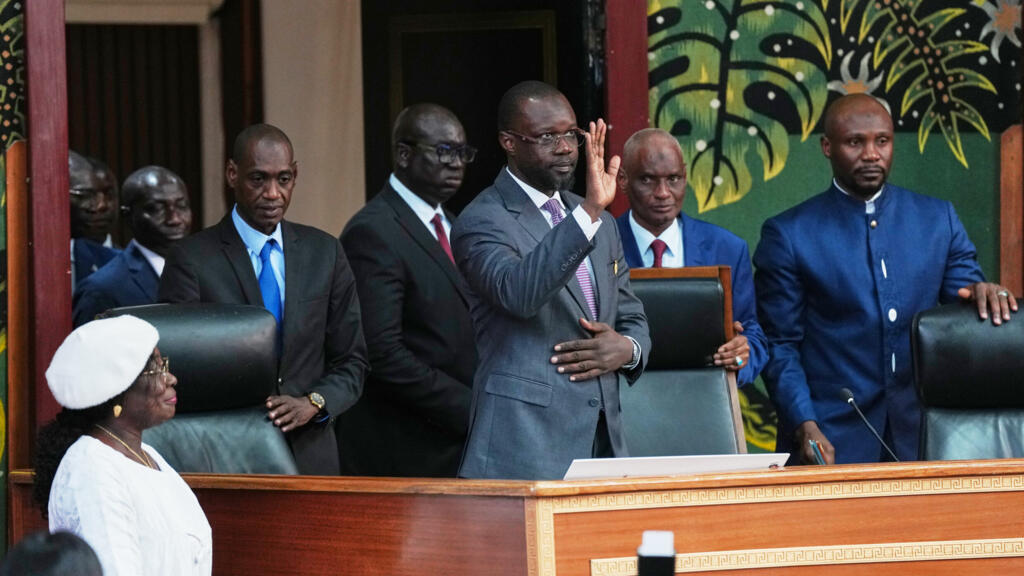
As Senegal navigates this uncharted political terrain, the ability of its leaders to work together will be closely watched. The outcome could either strengthen democratic institutions or deepen existing rifts, with implications far beyond the country’s borders.