
Sénégal: Ousmane Sonko’s potential assembly leadership sparks ‘institutional coup’ accusations
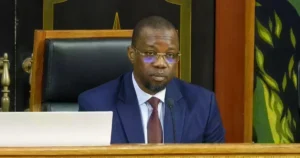
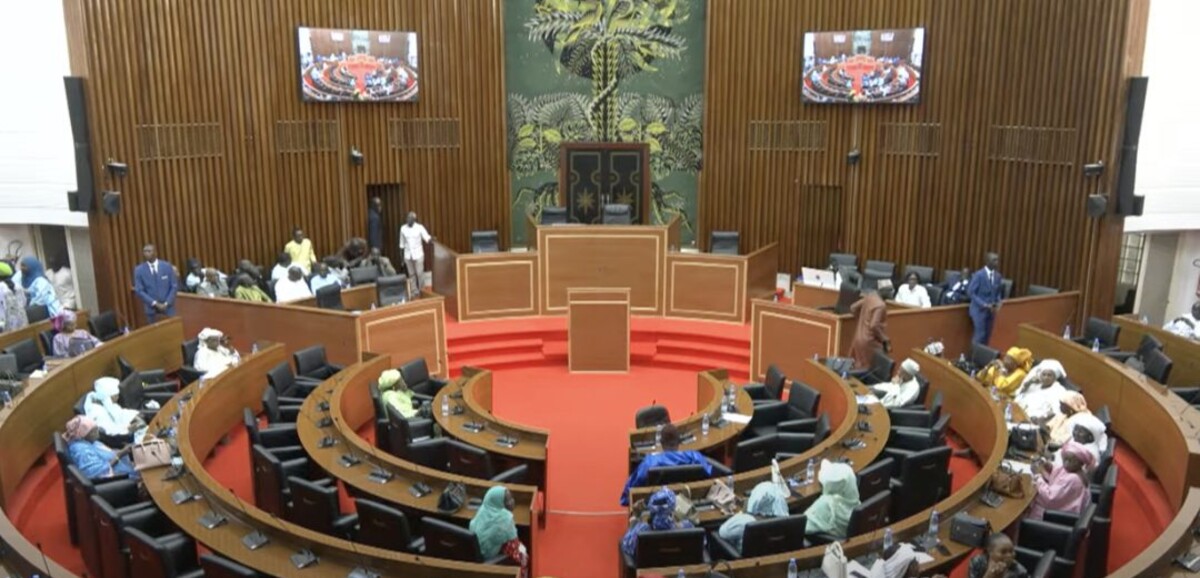
Actus. Senegal’s National Assembly is poised to consider the reinstatement of former Prime Minister Ousmane Sonko as a deputy on Tuesday, May 26. This pivotal step could pave his way to assume leadership of the legislative body. However, the opposition bloc vehemently accuses the ruling majority of orchestrating an “institutional coup d’état” through this maneuver.
A rapid ascent following his dismissal
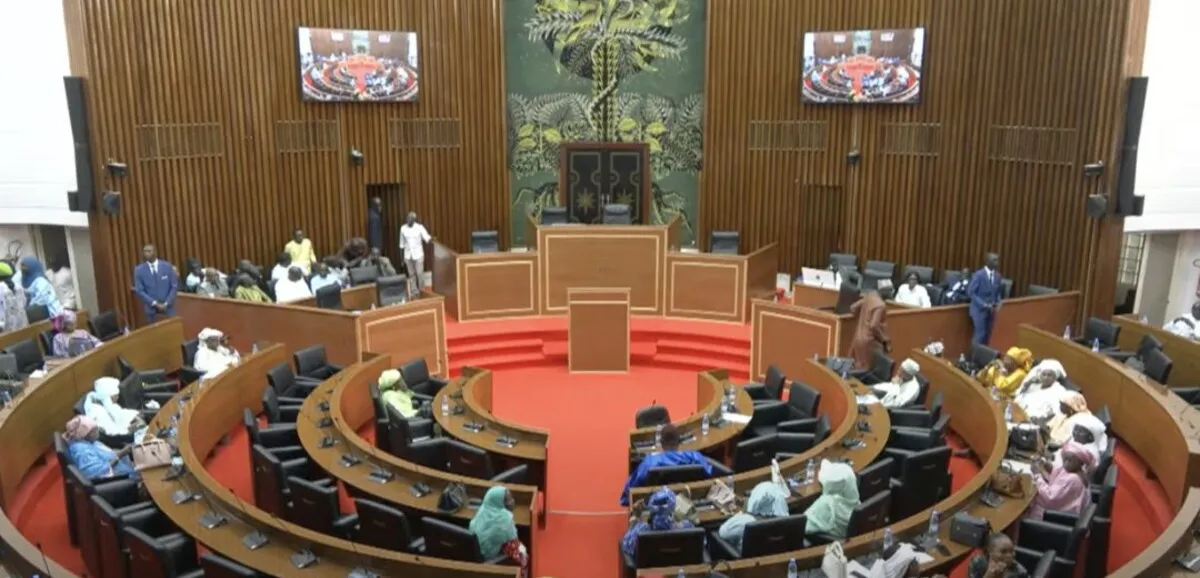
Just days after his dismissal as Prime Minister by President Bassirou Diomaye Faye, following months of palpable tensions within the government, Ousmane Sonko appears set for a swift political resurgence. Lawmakers are scheduled to convene on Tuesday morning to vote on his “reintegration” as a deputy, a necessary precursor to the election of a new National Assembly president. The path for the former head of government was cleared on Sunday when El Malick Ndiaye, a close ally of Sonko and the current president of the institution, tendered his resignation. Sonko’s Pastef party commands a substantial majority in the Assembly, holding 130 out of 165 seats.
The opposition contests the procedure
Nevertheless, the primary opposition coalition contends that this proposed reintegration procedure disregards established institutional norms. During a press briefing on Monday, opposition deputy Aïssata Tall Sall sharply criticized the move, labeling it an “institutional coup d’état” and an aggressive “forcing” tactic by the presidential majority. She argued that Ousmane Sonko should have formally resigned from his Prime Ministerial duties prior to any official reinstatement as a deputy, even on a temporary basis. The opposition is now urging President Bassirou Diomaye Faye to refer the legal dispute to the Constitutional Council for a definitive ruling.
A now strained relationship with Bassirou Diomaye Faye
Barred from contesting the 2024 presidential election due to a defamation conviction, Ousmane Sonko had previously endorsed his ally, Bassirou Diomaye Faye, to represent the Pastef party. Mr. Faye’s subsequent election to the presidency heralded the rise of a political tandem, enjoying immense popularity, particularly among Senegal’s youth. However, over recent months, discernible differences emerged between the two leaders, culminating in Mr. Sonko’s dismissal last Friday.