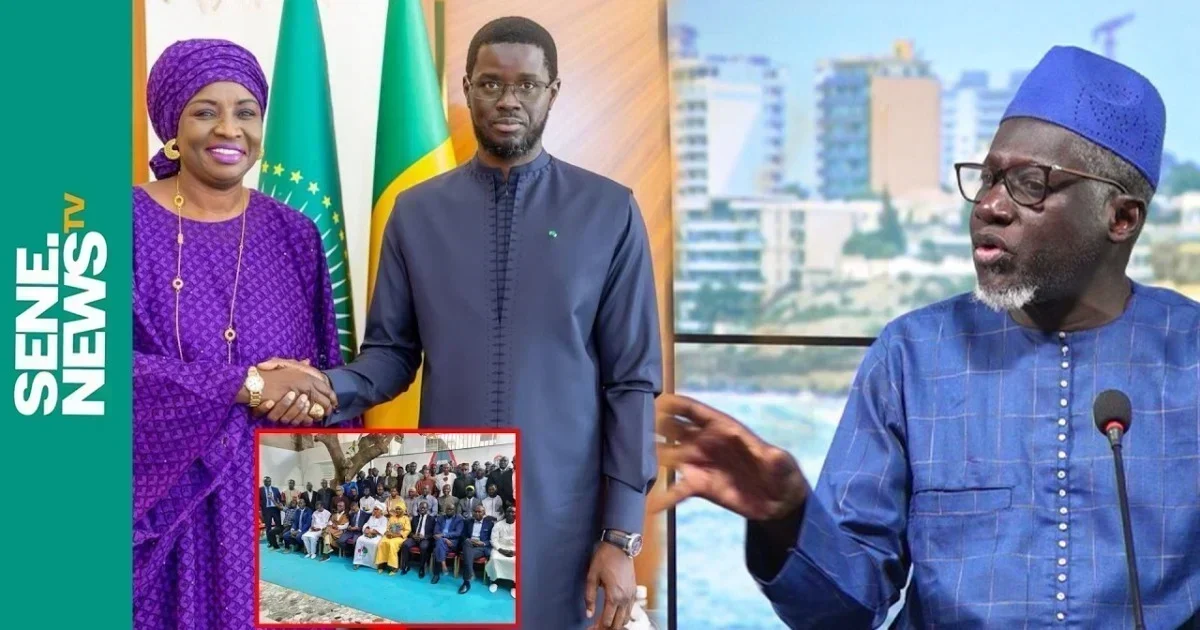

Dakar, Senegal — A seismic shift is unfolding in the nation’s political landscape as prominent cleric Imam Kanté formally declared the formation of a new political party to support the presidential ambitions of Bassirou Diomaye Faye, a move that analysts warn could dramatically alter the balance of power and pose a direct challenge to Ousmane Sonko.
The announcement, delivered during a high-profile press conference in the capital, marks a strategic pivot in Senegal’s opposition movement. Kanté, a respected religious figure with significant grassroots influence, positioned the new entity as a unifying force for change, framing it as an alternative to existing political structures that have failed to address the people’s concerns.
The initiative comes at a critical juncture, with national elections scheduled for 2026. Political observers suggest the move could galvanize support among young voters and disillusioned citizens, particularly in urban centers like Dakar, where dissatisfaction with traditional parties runs deep. The party’s platform, still under development, is expected to emphasize anti-corruption measures, economic reform, and greater accountability in governance.
Imam Kanté addressed the media with confidence, stating that the party would prioritize national sovereignty and reject foreign interference in domestic affairs. “Senegal must chart its own path,” he declared, “and this new formation will be the voice of those who have been ignored for too long.”
Reactions from the political arena
Within hours of the announcement, Ousmane Sonko, leader of the influential Patriotes du Sénégal, issued a statement hinting at a possible realignment of alliances. While stopping short of outright opposition, Sonko acknowledged the need to “reassess strategies” in light of the new development. His party, which has been a vocal critic of the current administration, now faces a potential rival that could split the opposition vote.
Political analysts are divided over the long-term implications. Some predict the new party could dilute Sonko’s electoral base, while others argue it may force a stronger coalition among opposition groups to prevent fragmentation. The coming months will be decisive as the party’s structure takes shape and its leadership team is unveiled.
What’s next for Senegal’s political future?
The emergence of this new political force raises several key questions: How will it reshape the opposition’s strategy ahead of 2026? Can it build sufficient momentum to challenge the ruling party? And what role will religious leaders play in the increasingly intertwined spheres of faith and governance?
One thing is certain: the announcement has injected fresh energy into Senegal’s political discourse, setting the stage for a dynamic and unpredictable election cycle. As the nation watches closely, all eyes are on how this new entity will navigate the complex terrain of Senegalese politics—and whether it can deliver on its promises of transformative change.