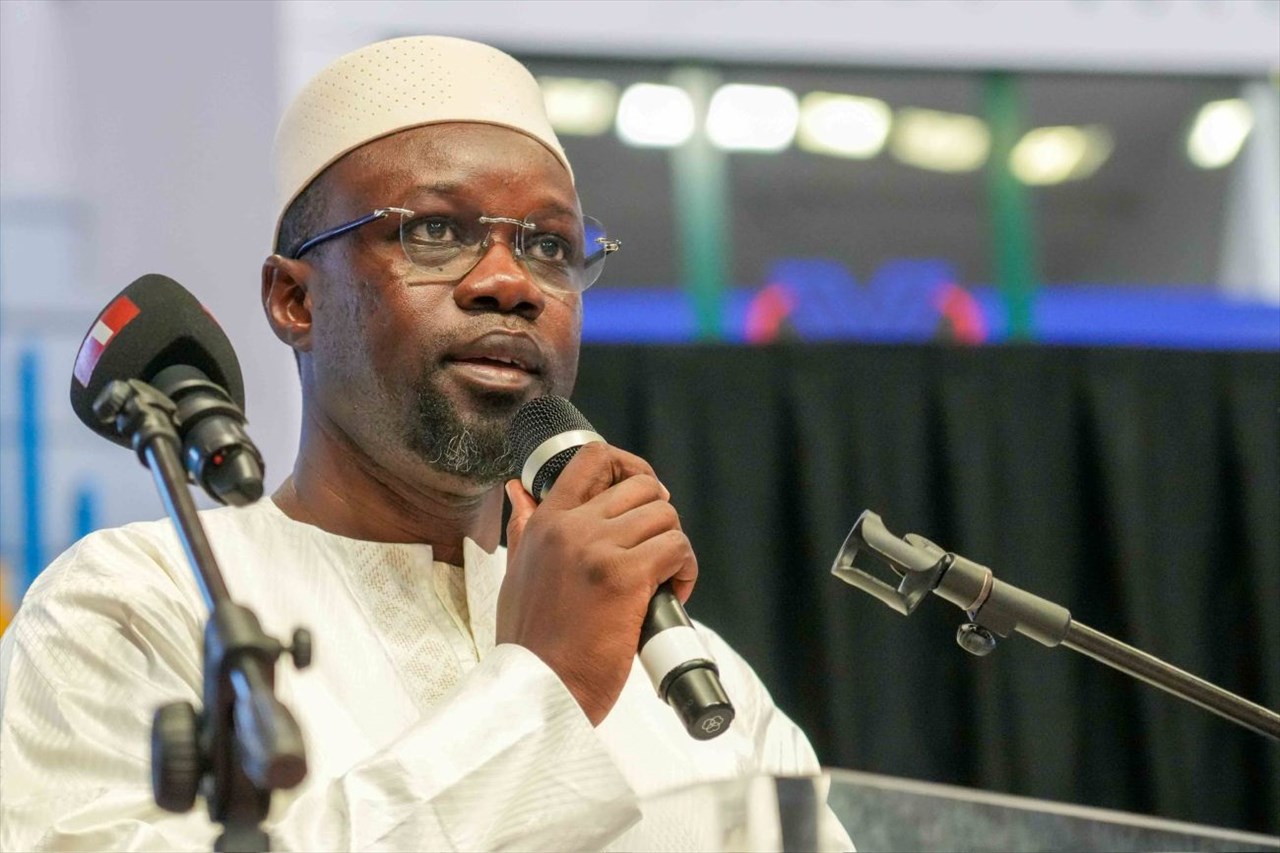


The political landscape of Senegal remains in flux as a dramatic shift roils the nation’s corridors of power. Just 48 hours after the dismissal of Prime Minister Ousmane Sonko, the president of the Assemblée nationale, Malick Ndiaye, announced his resignation from the leadership role on Sunday, May 25. The move followed an emergency meeting of the ruling Pastef party, where critical decisions were made behind closed doors.
In a heartfelt statement posted on social media, Ndiaye shared his decision was driven by a deep sense of duty and reflection. He stated, “After careful consideration and guided by the principles of responsibility, public service, and the supreme interests of the Nation, I have chosen to step down from my position as President of the National Assembly of Senegal.” As the second-highest-ranking official in the country, his departure marks a pivotal moment in Senegal’s political narrative.
Throughout his tenure, Ndiaye championed transparency, accountability, and institutional strength, working alongside deputies and parliamentary staff to elevate the Assembly’s profile both domestically and abroad. His resignation, however, signals a new chapter—one that could soon see Ousmane Sonko ascend to the helm of the legislative body.
Within hours of Ndiaye’s announcement, the Assembly reinstated Ousmane Sonko as a deputy. The stage is now set for a vote on Tuesday, May 26, to elect his successor. With the Pastef party holding a commanding majority, all signs point to Sonko emerging as the frontrunner—a meteoric rise that would transform his role from dismissed premier to Speaker of the Assembly in under three days.
This rapid succession of events underscores a broader power shift in Senegal, transitioning from a Bassirou Diomaye Faye–Ousmane Sonko alliance to a high-stakes political rivalry. As alliances are forged, power balances tested, and strategies deployed, the nation braces for a period of intense political maneuvering ahead of next year’s local elections and the 2029 presidential race.
A lingering question looms: Will President Bassirou Diomaye Faye opt to dissolve the National Assembly once the constitutional deadline expires in December? Meanwhile, the country remains on edge, awaiting the naming of a new prime minister tasked with forming a government in an already volatile political climate.