Senegal political tensions between diomaye and sonko run deep
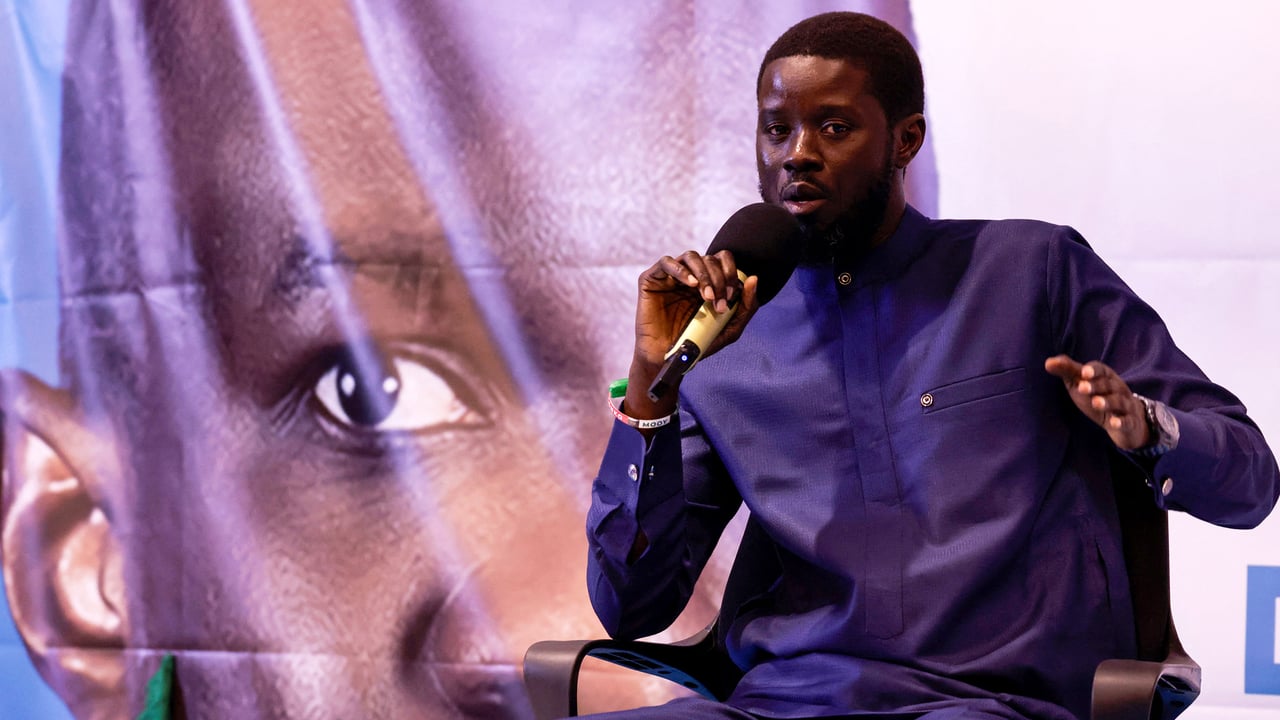

From allies to adversaries: the fractured bond between Diomaye and Sonko
In the ever-shifting landscape of Senegalese politics, few partnerships have captivated and confused observers as much as the relationship between Bassirou Diomaye Faye and Ousmane Sonko. Once seen as a formidable duo driving change, their bond has now unraveled into a bitter political feud, sending shockwaves through the nation’s political arena.
The roots of their alliance trace back to the early days of the Pastef movement, when Sonko, a charismatic opposition leader, and Faye, a lesser-known figure at the time, joined forces to challenge the entrenched political establishment. Together, they mobilized a wave of young, disillusioned Senegalese voters, propelling Sonko to the forefront of national politics and paving the way for Faye’s eventual rise to the presidency in 2024.
Policy disagreements fuel the divide
What began as a shared vision for a more transparent and equitable Senegal quickly gave way to clashing priorities. Faye’s presidency, marked by bold reforms and a progressive agenda, began to diverge sharply from Sonko’s expectations. Where once they stood shoulder to shoulder, their paths now diverge on critical issues such as economic policy, governance, and international relations.
Observers point to fundamental ideological differences as the driving force behind their growing estrangement. Faye’s administration has embraced market-friendly policies and sought closer ties with global financial institutions, a stance Sonko has openly criticized as out of touch with the needs of ordinary Senegalese.
Meanwhile, Sonko’s fiery rhetoric and uncompromising stance on issues like debt relief and resource nationalism have only intensified the divide. His public denunciations of Faye’s policies have exposed deep fissures within their once-united movement, leaving supporters and critics alike questioning the future of their political alliance.
Public fallout and political fallout
The tension between the two leaders has spilled into the public domain, with Sonko frequently taking to social media and public platforms to voice his discontent. His criticisms, once framed as constructive feedback, have escalated into personal attacks and accusations of betrayal. Faye, for his part, has largely avoided direct confrontation, but his silence has done little to quell the growing sense of unease among their shared base.
In the streets of Dakar and beyond, the rift has sparked fierce debates. Supporters of Sonko argue that Faye has abandoned the movement’s core principles, while Faye’s backers insist that his pragmatic approach is necessary to navigate Senegal through economic challenges. The division has not only polarized the electorate but also raised concerns about the long-term stability of the Pastef movement.
What lies ahead for Senegal’s political future?
As the clash between Diomaye and Sonko deepens, the question on everyone’s mind is: What comes next? Will their feud lead to a permanent split within the movement, or can they find a way to reconcile their differences?
For now, Senegal’s political landscape remains in flux. The outcome of their struggle could redefine the country’s trajectory for years to come, influencing everything from economic policy to international relations. One thing is clear: the once-unbreakable bond between these two leaders has been shattered, leaving a void that may take years to fill.
Key takeaways from the Diomaye-Sonko divide
- Shared origins, divergent paths: Their alliance began as a force for change but has since fractured over ideological differences.
- Public vs. private tensions: Sonko’s vocal criticism contrasts with Faye’s reserved response, amplifying the sense of instability.
- Impact on the electorate: The rift has deepened divisions within their base, raising concerns about the movement’s future.
- Long-term consequences: The outcome of their feud could shape Senegal’s political and economic landscape for years.