
Sénégal’s national assembly president reacts to constitutional council ruling
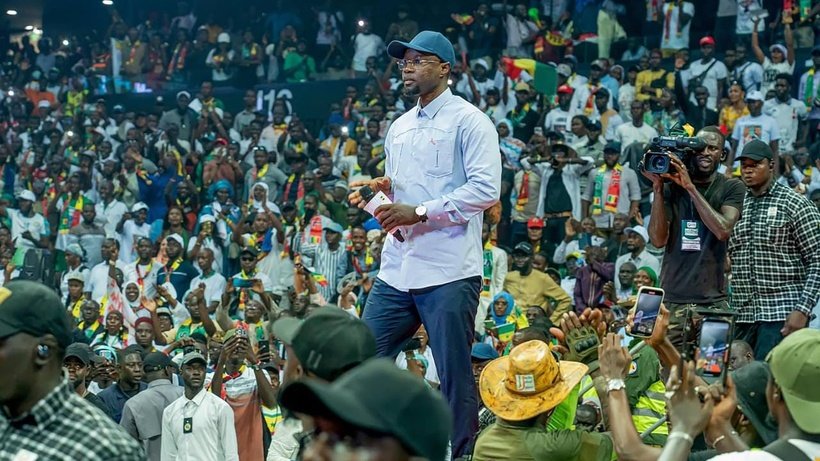
In the wake of the Constitutional Council’s recent invalidation of constitutional bill n° 18/2026, the nation eagerly awaited a statement from Sénégal’s second-highest ranking official. Ousmane Sonko, the distinguished President of the National Assembly, has now officially addressed the verdict. While deliberately setting aside the intricate legal arguments underpinning the decision, the influential parliamentary leader unequivocally reaffirmed his steadfast commitment to the established institutional order, stating emphatically, “This ruling is binding on all! Let it be noted!”
A testament to democratic vigor
Far from perceiving this development as a challenge or an indicator of institutional fragility, the head of the legislative branch chose to adopt a positive stance, commending the robust functionality of Sénégal’s governance model. For Sonko, this sequence of events unequivocally demonstrates the country’s vibrant democratic health.
“Within a democratic framework, when institutions meticulously fulfill their designated responsibilities, each operating within its clearly defined scope of action, no crisis can possibly arise,” Ousmane Sonko underscored, thereby dismissing any apprehensions regarding a potential institutional deadlock among the executive, legislative, and judicial branches.
Charting a course for upcoming reforms
Looking forward to the extensive legislative agenda and the promised reforms, the President of the lower house offered firm assurances regarding the continuous progression of parliamentary work. There is no intention of decelerating efforts.
He thus guaranteed the Senegalese populace that the National Assembly “will persist in fully executing the vital mission entrusted to it,” before powerfully asserting that “new laws will be enacted or rejected to honor the solemn commitments made to this brave and dignified people.” The message is unequivocal: parliamentary duties will proceed, strictly adhering to the foundational principles of republican governance.