

Government review reveals 245 dormant infrastructure assets across Senegal
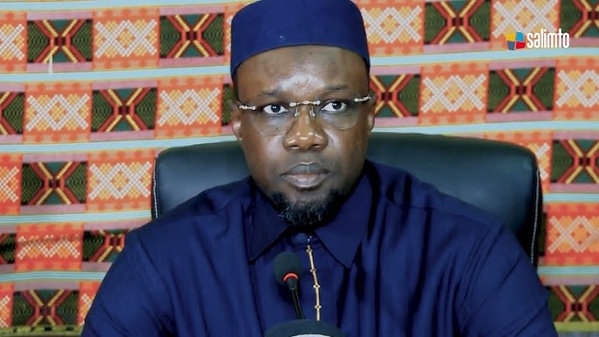
An exhaustive review of infrastructure projects across government departments has identified 245 assets and initiatives that either remain unused, require completion, or could benefit from repurposing. This comprehensive assessment was unveiled during a high-level interministerial council chaired by Prime Minister Ousmane Sonko.
The audit, mandated by the April 15 cabinet meeting, categorized these findings into four distinct groups based on their current status and potential for intervention:
Category 1: Completed but inactive assets
- 30 completed projects have never been operational, including 25 that face significant operational blockages.
- These “dormant assets” represent a frozen investment of 279 billion FCFA.
- Fifteen of these projects have been flagged as “high priority” due to their financial impact and the nature of their blockages.
Category 2: Operational assets eligible for recycling or enhancement
- 23 active infrastructure projects spanning eight key sectors are ripe for repurposing or increased utilization.
- These assets are managed across 13 entities with an estimated combined value of 1,065 billion FCFA.
Category 3: Projects requiring urgent completion
- A total of 94 ongoing infrastructure initiatives need to be finalized without delay.
- Sixty-two of these projects remain stalled, representing a total investment of 5,227 billion FCFA.
- An additional 973 billion FCFA in financing is required to bring these projects to completion.
Category 4: Recyclable or valorizable state properties
- The state owns 97 such properties nationwide, with 91 located in the Dakar region.
- These assets boast an estimated market value of 132 billion FCFA, with renovation costs projected at 12.1 billion FCFA.
Root causes behind project delays
Prime Minister Sonko highlighted four primary categories of obstacles impeding infrastructure development:
Financial challenges
Forty-two projects have encountered delays due to:
- Insufficient investment credits
- Unpaid invoices or financial defaults
- Lack of operational budgets
Technical hurdles
Eighteen projects face technical blockages stemming from:
- Poor coordination between project owners and utility providers (water, electricity, telecommunications)
- Incomplete technical work
- Delivery delays and missing equipment
- Unreleased land parcels preventing site availability
Legal complications
Fourteen initiatives remain stalled by legal issues such as:
- Contract cancellations and ongoing disputes
- Pending administrative approvals
- Missing decrees formalizing institutional status
- Awaiting signed agreements and amendments
Operational oversights
Thirteen projects—some completed years ago—lack defined operational or management models, leaving them unusable despite their completion.
The Prime Minister condemned these preventable lapses, emphasizing that “constructing infrastructure without planning for its operation is inconceivable.”
Government response and future measures
In response to these findings, Prime Minister Sonko announced immediate actions:
- Creation of a dedicated Primature committee to finalize and expand the infrastructure inventory.
- Strict enforcement of zero tolerance for negligence, laxity, or deliberate delays causing project stagnation.
- Mandatory anticipation of technical challenges in hydraulic and electrical network connections for all new projects.
He further stressed the need for “urgent corrective measures” to mitigate “massive financial losses” resulting from these avoidable delays.