
Divergent visions emerge as Senegal’s top leaders navigate power dynamics
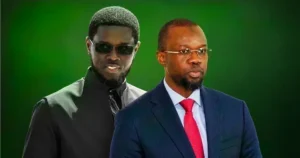
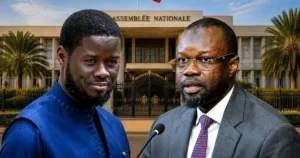
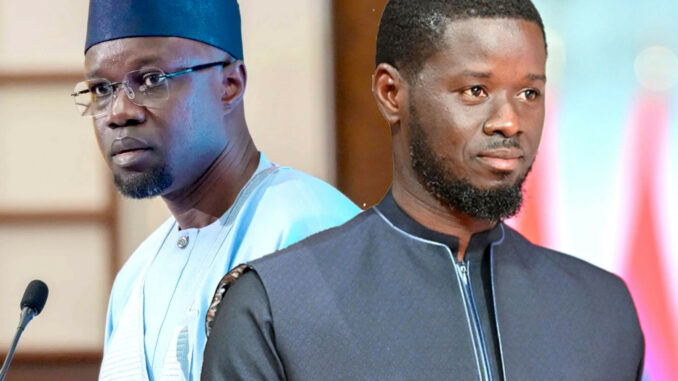
This week in Senegal, a critical political moment unfolds as President Bassirou Diomaye Faye and Prime Minister Ousmane Sonko navigate distinct yet overlapping agendas that could shape the nation’s future. With national consultations kicking off on May 21, the country braces for intense discussions on governance and reform.
The President’s agenda centers on a ten-day dialogue national, a sweeping initiative inviting political parties, civil society leaders, religious figures, and traditional authorities to the table. Designed as a gesture of inclusivity, this effort replaces the previous administration’s singular focus on national dialogue, signaling a shift toward broader engagement. While some praise the move as a step toward consensus-building, critics argue the reforms driving it lack sufficient stakeholder input.
Simultaneously, Prime Minister Sonko is set to address lawmakers in a high-profile parliamentary session, where questions about institutional changes and governance will take center stage. The timing of his intervention—aligned with the President’s outreach—has sparked speculation about the balance of power between the two leaders. Political analysts highlight the tension between their competing priorities as a potential source of friction within the executive branch.
Maurice Soundieck Dione, a seasoned political scientist, notes that both leaders are vying for control of the national narrative, each staking claims in the political and media landscape. Assane Samb, another analyst, suggests that improved coordination could mitigate perceptions of a fragmented government, where messaging and policy direction appear misaligned.
Since assuming office, the relationship between Faye and Sonko has been a recurring subject of debate, with questions lingering over how authority is truly distributed within the new administration. As Senegal’s political landscape evolves, the interplay between these two agendas will likely define the trajectory of the country’s democratic experiment.