
Senegal’s political shake-up: why Diomaye Faye and Ousmane Sonko parted ways
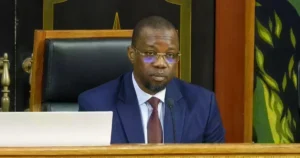
The unexpected split between Senegal’s President Bassirou Diomaye Faye and Prime Minister Ousmane Sonko, barely two years into their joint leadership, has sent shockwaves through the corridors of power. After months of simmering tensions, the decision to dissolve their partnership forces the nation to confront tough questions about governance and unity.
Once hailed as a cornerstone of stability in West Africa, Senegal now finds itself at the center of a political storm. The move has left observers scrambling to understand the forces behind this dramatic break.
What drove the split between Faye and Sonko?
The unraveling of their alliance stems from four key flashpoints that have steadily eroded trust at the highest levels of government.
1. Clashing visions for Senegal’s economic future
Divergent approaches to economic policy have become a major fault line. While Fayed pushed for bold reforms aimed at reducing debt and attracting foreign investment, Sonko championed a more protectionist agenda focused on local industries. The impasse over these competing strategies left critical decisions in limbo, paralyzing progress.
2. Power struggles within the ruling coalition
Their partnership, once a symbol of unity, began to fracture under the weight of internal rivalries. Competing factions within the ruling coalition saw in their disagreement an opportunity to advance their own agendas, further straining relations between the two leaders.
3. Policy disagreements on regional alliances
Foreign policy became another battleground. Faye leaned toward strengthening ties with traditional partners like France, while Sonko advocated for a pivot toward emerging alliances in the Global South. The lack of consensus on Senegal’s place in the world deepened the rift between them.4. Personal ambitions overshadowing national interests
Unchecked ambitions on both sides played a decisive role. Speculation about Sonko’s intentions to challenge Faye in future elections, combined with Faye’s reluctance to cede ground, created an atmosphere of mistrust that made collaboration impossible.
As Senegal grapples with this sudden political realignment, the coming weeks will be critical in determining whether the country can return to stable governance—or if the fallout from this breakup will plunge it into deeper uncertainty.