
We delve into significant global developments, addressing the concerning deployment of a new Russian missile, the definitive sentencing of Succès Masra, and the European Union’s unexpected surge in Russian gas imports.
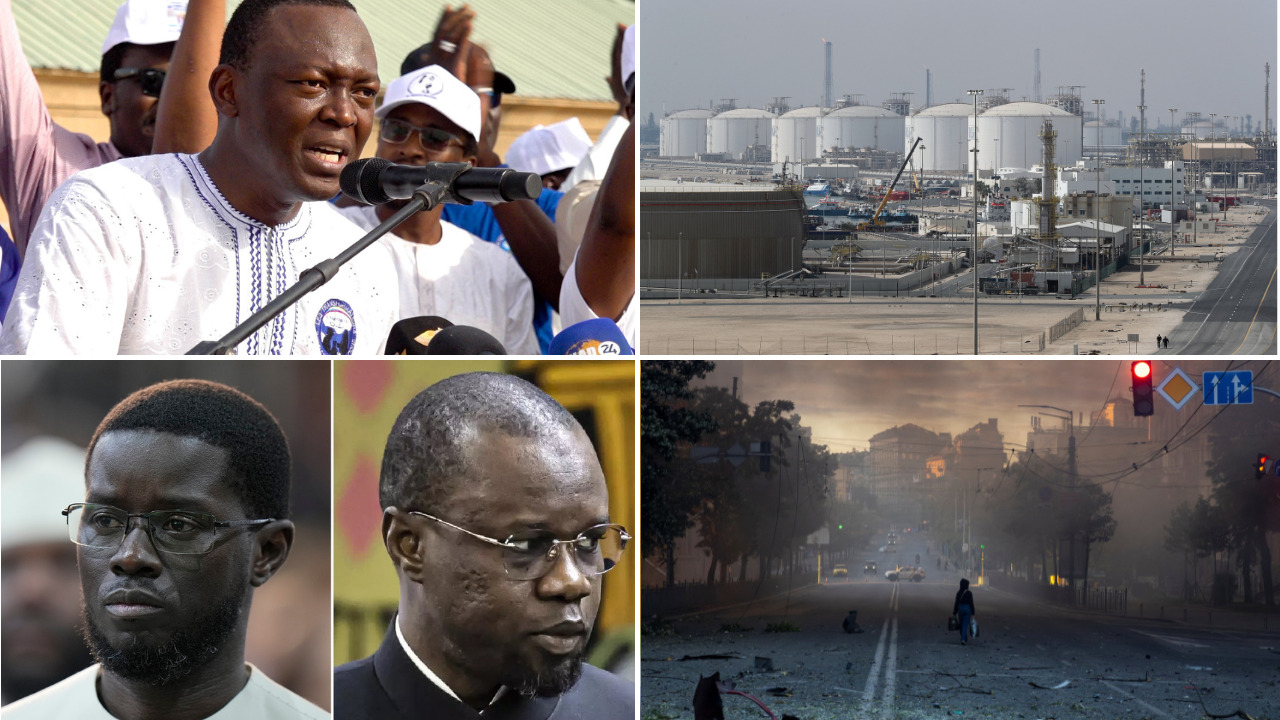
Senegal: who stands to gain from the political shift?
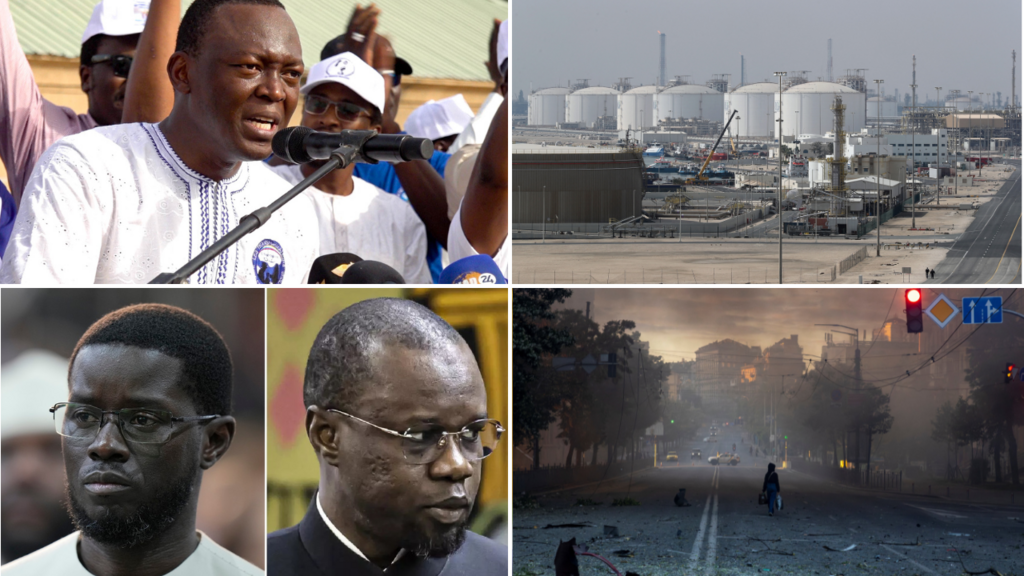
Following months of escalating tensions at the highest levels of the Senegalese government, President Bassirou Diomaye Faye has removed Ousmane Sonko from his position. Given that Pastef, led by the now former Prime Minister, holds an overwhelming majority in the National Assembly, the head of state will undoubtedly need to navigate this new political landscape with care. The critical question remains: who, between Diomaye and Sonko, will emerge stronger from this significant political rupture?
War in Ukraine: what is known about the Orechnik missile, dubbed “invincible” by Putin?
In the overnight hours from Saturday to Sunday, Russia unleashed a massive bombardment on Ukraine, deploying nearly 600 drones and 90 missiles, including the formidable Orechnik. This hypersonic ballistic missile, considered among the Russian military’s most sophisticated weaponry, is reportedly almost impossible to intercept with current defense systems. Its deployment has triggered considerable alarm across Europe. Does its use signal a mere show of force, or does it indicate a fundamental shift in the Kremlin’s offensive strategy?
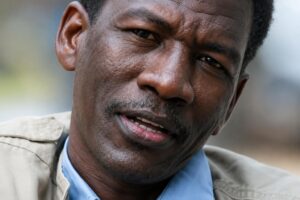
Chad: is a presidential pardon for Succès Masra on the horizon?
Former Prime Minister Succès Masra, who was arrested a year ago in May 2025, has faced another setback. The Supreme Court in N’Djamena rejected the appeal filed by the opposition leader’s legal team, thereby confirming his 20-year prison sentence. He was convicted for “disseminating racist and xenophobic messages,” “criminal association,” and “complicity in murder.” Despite this, are further legal avenues still possible? Claudia Hoinathy, the vice-president responsible for women’s engagement and leadership within Les Transformateurs party, expressed hope for a “political solution,” suggesting either a presidential pardon or amnesty. At this juncture, how realistic are these options for the Sahel nation?
Russian gas: why does the EU continue imports despite sanctions?
Europe continues its struggle to decouple from Russian gas. During the first quarter, the European Union’s imports of Russian liquefied natural gas (LNG) surged by 16%, marking a record high since 2022, the year the war in Ukraine began. Notably, France alone “imported more LNG than any other European country.” How can this increase be explained, considering the existing sanctions and political pledges to diminish Europe’s energy dependence? The twenty-seven member states aim to completely ban Russian gas by autumn 2027; is this ambitious deadline truly credible?