Senegal’s revised finance bill 2026: fallout, debate and what happens next
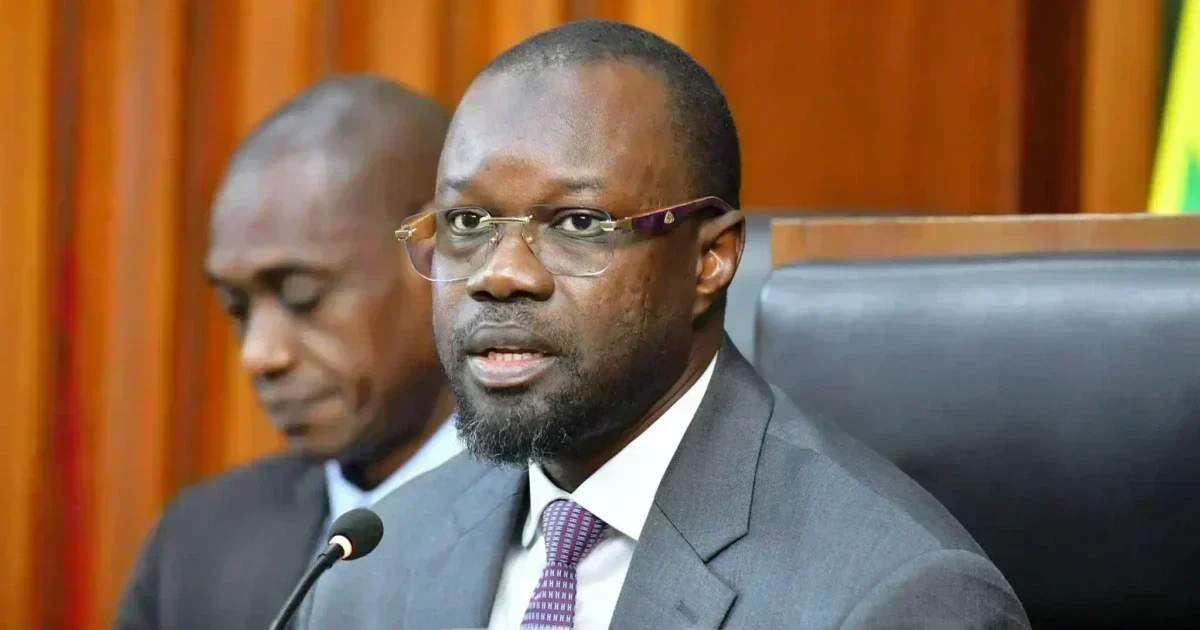
The wait ends: parliament receives the 2026 revised finance bill
After days of mounting tension and public sparring, Senegal’s National Assembly confirmed on Friday, 18 September 2026, that it had finally received the draft revised finance bill (LFR) for 2026. The parliamentary institution said the text arrived at its General Secretariat that afternoon, together with the president’s transmission letter and the decree ordering its presentation to lawmakers.
The delivery brings an end to a period of uncertainty over the budget calendar set by the Prime Minister’s office. Prime Minister Ahmadou Al Aminou Lô had instructed the Minister of Economy, Finance and Planning, Cheikh Diba, during the Council of Ministers on 10 September to ensure the text reached the National Assembly by 15 September at the latest. That deadline was not met, sparking a controversy over a possible blockage. National Assembly President Ousmane Sonko himself said that same Friday that he had not yet received any notification of the text.
Three days late: the key facts behind the delay
The Assembly’s statement confirms that the transmission eventually took place, three days after the initial deadline. The presidential decree attached to the delivery, decree No. 2026-1645, states that the bill will be presented to the National Assembly by the Minister of Economy, Finance and Planning, who is also tasked with explaining its motives and defending the discussion before the deputies.
This text repeals and replaces a previous decree, No. 2026-1236 of 29 June 2026, which already concerned the presentation of the same revised finance bill, indicating that the procedure had to be restarted from scratch. The decree also entrusts the Minister of Economy and the Minister of Communication and Relations with Institutions with ensuring its implementation, each in their respective areas. The text will be published in the Official Journal. It was signed in Dakar on 18 September by President Bassirou Diomaye Faye, with the counter-signature of the Prime Minister.
Reactions and political fallout: a debate reignited
The late arrival of the text has fuelled a broader debate about the government’s handling of budgetary deadlines and the transparency of its communication with parliament. The public exchange between the National Assembly president and the executive has raised questions about coordination between the branches of power.
Observers note that the episode has revived scrutiny of the government’s ability to stick to its own schedule, particularly as Senegal pursues fiscal consolidation and commitments made to international partners. The delay, though only three days, has become a symbol of the friction between the executive and the legislative branch.
What comes next: parliamentary scrutiny and the 2027 budget
The deposit now opens the way for deputies to examine the 2026 revised finance bill, a step that is closely watched in the context of public finance recovery and Senegal’s engagements with its international partners. The Prime Minister’s budget calendar also includes the examination of the initial finance bill for 2027 in the Council of Ministers by the end of September. After this episode, meeting that deadline will be particularly scrutinised.
The coming weeks will show whether the government can restore confidence in its budget process, or whether the delay will leave a lasting mark on the political landscape.