The Dioura fall-out: how a single attack has reignited Mali’s information war
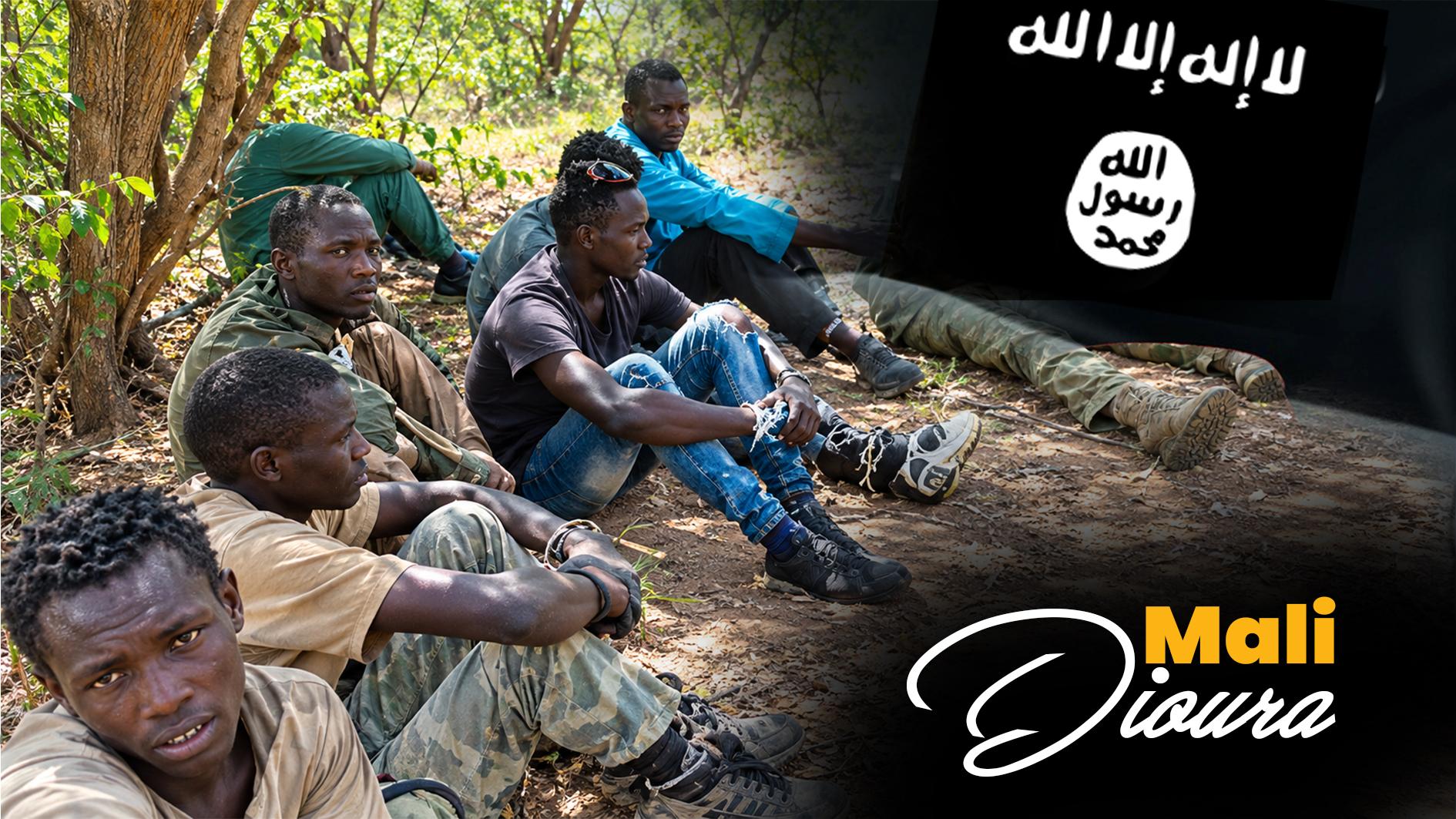
The fallout from the confrontation at Dioura is still unfolding, and the public debate it has triggered is now impossible to contain. When Mali’s chief of defence staff tried to play down the situation with a curt “there is nothing at Dioura”, the Group for the Support of Islam and Muslims (JNIM) answered with a devastating statement. Claiming responsibility with striking detail and visual evidence, the jihadist organisation laid bare the communication strategy of the military leadership in Bamako. Between the scale of the human losses and the material damage suffered by the army, the official narrative is tottering in the face of a battlefield reality that is slipping further out of control — and the question now is what comes next.
A blunt rebuttal that leaves the official line exposed
The Malian junta’s instinct to minimise setbacks has run straight into a wall. By publicly stating that no major incident had occurred in Dioura, the military command presumably hoped to smother the impact of another strategic reverse. It reckoned without the media reflexes of JNIM, al-Qaeda’s Sahel branch, which promptly issued a denial as firm as it was detailed.
For the authorities of Assimi Goïta, built on a rhetoric of sovereign reconquest and the growing strength of the armed forces, the contrast is stark. By denying the obvious before it surfaced on social networks, Bamako exposes itself to a corrosive loss of credibility — not only among international observers but, above all, among a Malian public increasingly unsure about the country’s real security situation.
A human and material toll of unprecedented scale
The figures put forward by JNIM describe what amounts to a military rout. The group claims to have killed 150 Malian soldiers during the fighting, among them senior officers, including a colonel and a captain. Added to that already heavy human toll are 93 soldiers said to have been taken prisoner — a considerable political and strategic lever for the armed organisation.
On the logistical side, the rout described by the militant group is just as spectacular:
- Army material losses: confirmed destruction of 15 military vehicles and more than 100 motorbikes used by patrols.
- Vehicles captured: seizure of 6 tactical vehicles and 10 motorbikes in working order.
- Heavy arsenal recovered: 6 14.5 mm weapons, 17 DShK-type heavy machine guns, 32 PK machine guns, 10 RPG rocket launchers, 3 mortars and one SPG recoilless gun.
- Light weapons and ammunition: 233 Kalashnikov assault rifles and a massive stock of ammunition of various calibres.
To back up these claims and head off any attempt at contestation, JNIM accompanied its statement with photographic and video evidence detailing the spoils and the captives.
The information war: Bamako’s strategic blind spot
What happened at Dioura brings to light a systemic flaw in the junta’s crisis management. By favouring denial or radio silence in the face of tactical reverses, the military command leaves the field open to enemy propaganda. When jihadist groups circulate verifiable images of seized equipment and captured soldiers, official communication collapses, reinforcing the sense of isolation among troops deployed at the front.
This battle for the narrative matters all the more because JNIM is demonstrating its capacity to mount complex operations, combining a mass assault with the systematic recovery of heavy weaponry. Every defeat that the authorities refuse to acknowledge erodes confidence within army ranks and weakens national cohesion.
Reality on the ground versus the sovereignty narrative
The situation on the ground reaffirms the complexity of the security crisis in central and northern Mali. Despite the display of a strategic break and the turn to new partners, the ability of armed groups to inflict damage remains intact. The attack at Dioura proves that JNIM retains the tactical mobility and striking power to disrupt fortified army positions.
Faced with the precision of the elements provided by the attackers, silence or minimisation on the part of the authorities can no longer pass for military strategy. For the Malian junta, the challenge is no longer only about reconquering territory, but about confronting the facts in order to recalibrate a security response that is now being severely tested — and the coming weeks will show whether it can adapt.