
Supreme court blocks UNIS emergency appeal to halt Sonko’s assembly presidency
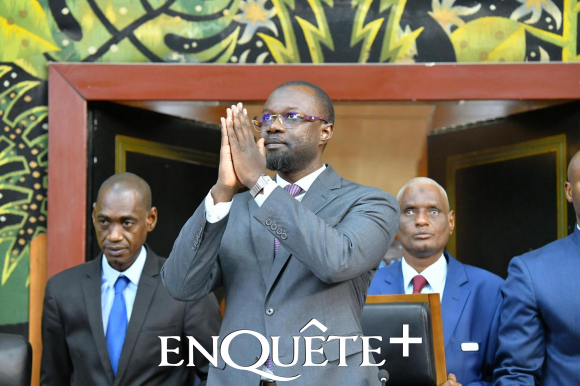
The Union nationale pour l’intégrité et la souveraineté (UNIS) has sharply criticized a June 25 Supreme Court ruling that dismissed its emergency request to suspend Ousmane Sonko’s installation as President of Senegal’s National Assembly. The opposition movement insists it will pursue a full judicial review and has urged the high court’s joint chambers to resolve the legal deadlock.
UNIS condemns what it calls a ‘denial of justice’
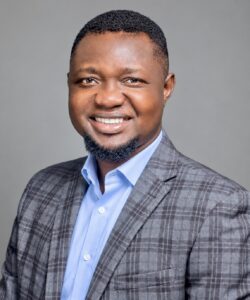
UNIS, led by President Amadou Gueye, issued a statement branding the Supreme Court’s decision a deliberate attempt to create a “negative jurisdictional conflict” and a flagrant déni de justice. The group had filed two separate motions: one seeking outright annulment of the Assembly Bureau’s administrative act installing Sonko, and a second requesting an emergency suspension of that act pending the outcome of the main case.
Legal maneuvering after constitutional council ruling
The emergency appeal followed a June 17 decision by the Constitutional Council declaring itself incompetent to hear the case. The Council ruled that the contested act—installing Sonko—was an administrative measure, not a legislative one, and therefore fell outside its purview. The Supreme Court’s emergency judge, however, upheld that decision, citing the separation of powers and refusing to interfere in the Assembly’s internal affairs.
UNIS rejects that reasoning. The movement argues that by classifying the Assembly Bureau’s act as an “administrative integration act,” the Constitutional Council implicitly recognized the Supreme Court as the competent jurisdiction. It contends that the Supreme Court’s refusal to hear the emergency motion leaves the dispute in legal limbo—no court willing or able to rule on its merits.
UNIS warns of a ‘lawless zone’ in parliament
The organization warns that accepting the Supreme Court’s interpretation would create a dangerous precedent: allowing the Assembly Bureau to adopt administrative acts immune from judicial oversight. Citing recent Constitutional Council rulings that struck down parts of Senegal’s constitutional reform, UNIS insists that the judiciary retains the power—and duty—to review the legality of acts by other branches of government when constitutional questions arise.
Despite the emergency appeal’s dismissal, UNIS confirms it will press ahead with its full annulment case before the Supreme Court. It has formally requested that the court’s joint chambers convene to rule on their own jurisdiction and end, in its words, “a situation prejudicial to legal certainty.” The movement urges magistrates to assert their constitutional role in clarifying the boundaries between executive, legislative, and judicial authority.