
Soaring election costs lock out opposition in Africa
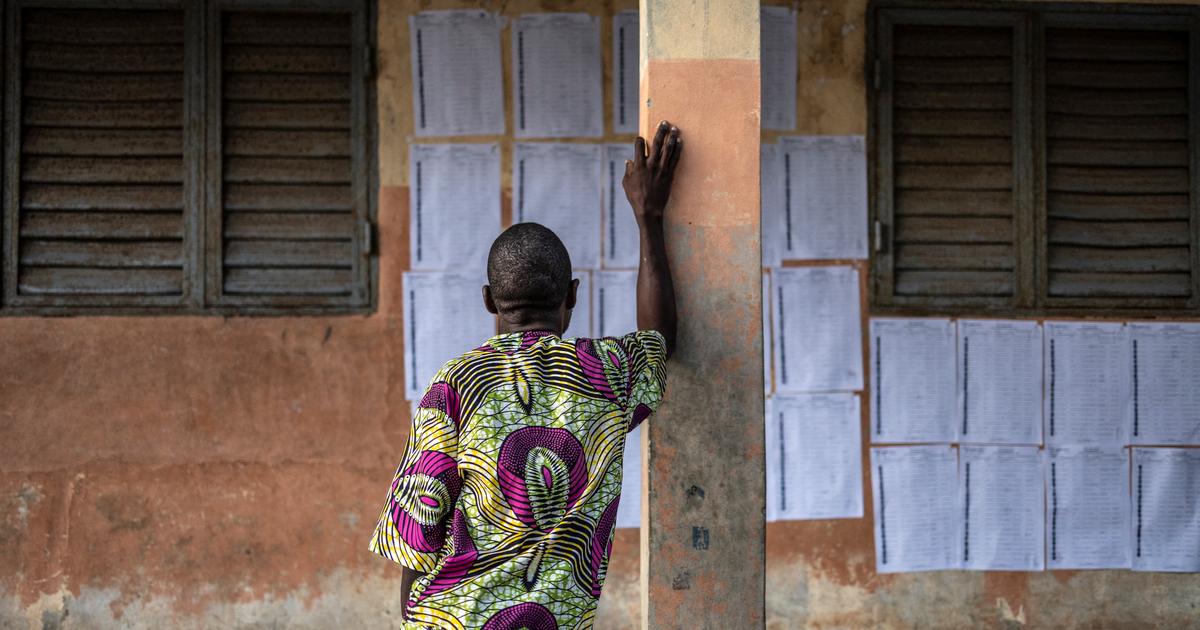
Elections in Africa have increasingly become faits accomplis before campaigns even begin. The presidential polls of 2025 reflected this trend, with opposition candidates systematically sidelined by prohibitive financial barriers long before polling day. Two recent contests—Djibouti’s April 10 vote and Benin’s April 12 election—exemplified this pattern.
In Djibouti, incumbent president Ismaïl Omar Guelleh secured a sixth term with a staggering 97.8% of the vote, while in Benin, government-backed candidate Romuald Wadagni claimed 94% of ballots under a similarly uncompetitive environment. The outcomes mirrored the broader regional narrative: elections where opposition voices are neutralized not by ballots, but by balance sheets.
Candidacy fees: the silent disqualifier
Across the continent, rising nomination fees have emerged as the most effective tool for silencing political rivals. In Djibouti, opposition leader Alexis Mohamed withdrew from the race, citing twofold concerns: threats to personal safety and unaffordable candidacy costs. Analysts described the process as “ritualistic democracy”, where electoral mechanics exist in name only.
The phenomenon extends beyond the Horn of Africa. From West to Central Africa, prospective candidates—especially those from smaller parties—are routinely priced out of contention by exorbitant filing fees. These financial hurdles often exceed annual GDP per capita in some nations, effectively rendering campaigns a privilege of the affluent.
Who pays the price of democracy?
While incumbent leaders consolidate power, the financial burden falls disproportionately on opposition structures. High fees aren’t merely administrative—they’re strategic, designed to:
- Drain opposition coffers before campaigns begin
- Favor establishment candidates with state resources
- Discourage grassroots participation in electoral politics
Observers warn that when candidacy costs eclipse political viability, elections cease to reflect voter preferences, transforming into mechanisms for entrenching ruling elites. The result? A continent where democracy’s promise is increasingly contingent on candidates’ bank balances rather than their platforms.