
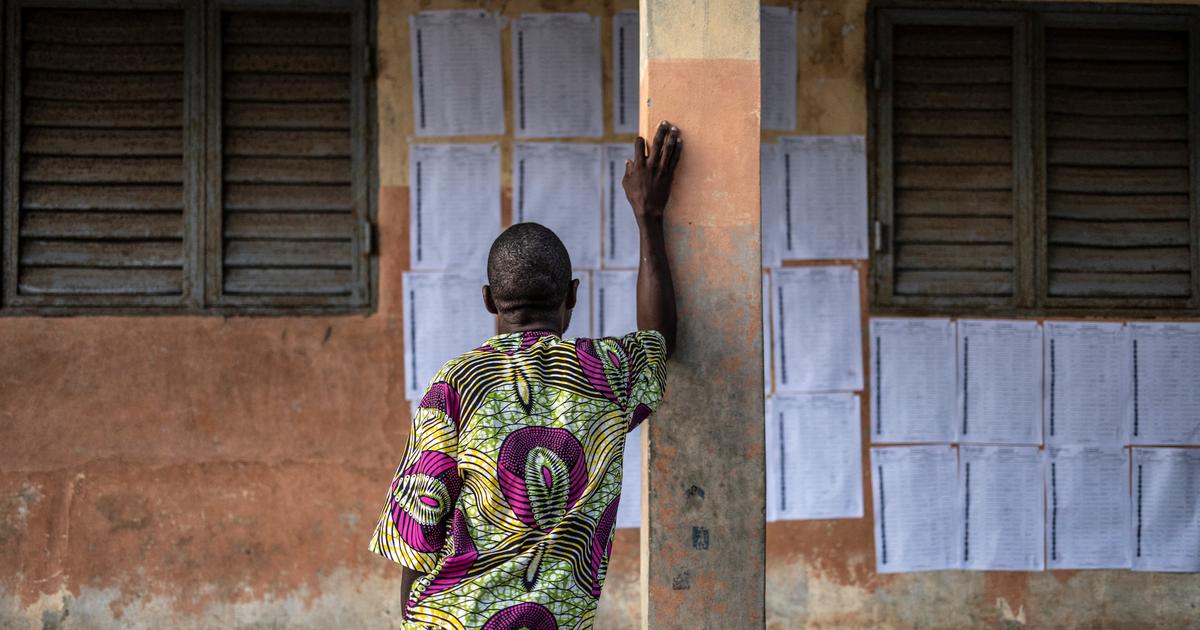
“Rigged contests”, “predictable outcomes”, “first-round victories for incumbents”. The 2025 African presidential elections followed a troubling pattern: opposition candidates were systematically sidelined before campaigns even began. Recent examples include elections in Djibouti on April 10 and in Benin on April 12, where the ruling parties secured overwhelming victories—97.8% and 94% respectively. These numbers tell a stark story of elections stripped of genuine competition.
In Djibouti, opposition leader Alexis Mohamed abandoned his bid, citing both security concerns and prohibitive nomination fees as insurmountable barriers. While the safety argument drew attention, financial hurdles proved decisive. Observers now describe the vote as a “ceremonial exercise”, devoid of real political stakes.
The price of democracy
Across Africa, candidates face exorbitant campaign costs that systematically favor incumbents. In Benin, Romuald Wadagni’s landslide win—heralded as Patrice Talon’s chosen successor—reflected not voter enthusiasm but the structural exclusion of competitors priced out of the race. Financial barriers, more than electoral fraud, appear to be the primary tool silencing opposition voices.
These developments raise urgent questions about electoral fairness. When rising costs deter credible challengers, elections lose their purpose: to offer citizens genuine choices. Instead, they become exercises in consolidating power behind closed doors.
Who can afford to run?
- Nomination fees: Often exceeding local GDP per capita, these fees alone disqualify most candidates before campaigning starts.
- Campaign expenditures: From rallies to media buys, costs spiral beyond the reach of independent contenders.
- Incumbency advantage: Ruling parties leverage state resources, further tilting the playing field.
The result? Elections where victory margins dwarf voter participation, and opposition voices are reduced to whispers in a locked system.