
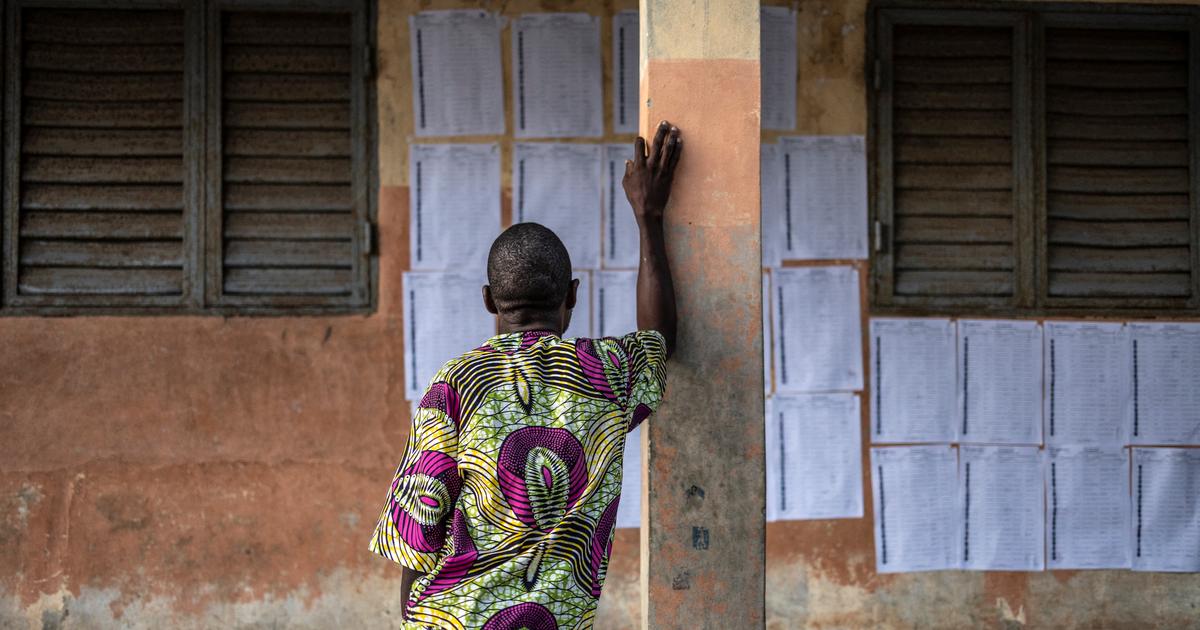
“Scripted outcomes”, “one-sided contests”, “incumbents coasting to first-round victories”. Presidential elections across Africa in 2025 revealed a disturbing pattern: opposition candidates were systematically sidelined before campaigns even began. Recent examples include Djibouti’s April 10 vote and Benin’s April 12 ballot. In Djibouti, incumbent President Ismaël Omar Guelleh secured a sixth term with 97.8% of the vote, while in Benin, Romuald Wadagni—handpicked successor to Patrice Talon—won 94% of ballots cast. Both landslide victories occurred in elections where genuine competition barely existed.
In Djibouti, opposition leader Alexis Mohamed abandoned his candidacy, citing both personal safety concerns and prohibitive nomination fees that made campaigning impossible. While security fears were cited, financial barriers proved the decisive obstacle. Observers described the process as “purely ceremonial”, a verdict shared by political analysts monitoring the polls.
When money decides elections
This phenomenon is not isolated. Across the continent, prospective candidates face escalating campaign costs that increasingly resemble “wealth-based suffrage”. In some nations, registration fees now exceed the annual minimum wage, effectively outpricing all but the wealthiest contenders. The pattern emerged starkly in recent ballots:
- Djibouti: Nomination fees reached 5 million Djiboutian francs (approximately €25,000), an amount that forced most opposition figures to withdraw.
- Benin: Presidential hopefuls were required to deposit 300 million CFA francs (roughly €450,000) just to qualify, a figure that eliminated all but establishment-backed candidates.
- Other nations: Similar financial barriers have been documented in Togo and Chad, where election observers warn that exorbitant costs are undermining democratic credibility.
Critics argue these fees serve as deliberate mechanisms to “sanitize” electoral rolls by excluding credible challengers. “The system now functions like a private club where only those with state patronage can afford the entry ticket,” noted a constitutional law specialist based in West Africa.
Who benefits from this system?
The pattern benefits incumbent parties that control state resources. By setting fees at levels unattainable for opposition candidates, ruling parties ensure elections serve as “managed transitions” rather than genuine democratic contests. International observers have repeatedly flagged these financial barriers as violations of electoral integrity standards.
As Africa prepares for another cycle of presidential elections, the question remains: will financial exclusion continue to define the continent’s democratic landscape, or will pressure mount for reforms that level the playing field?