
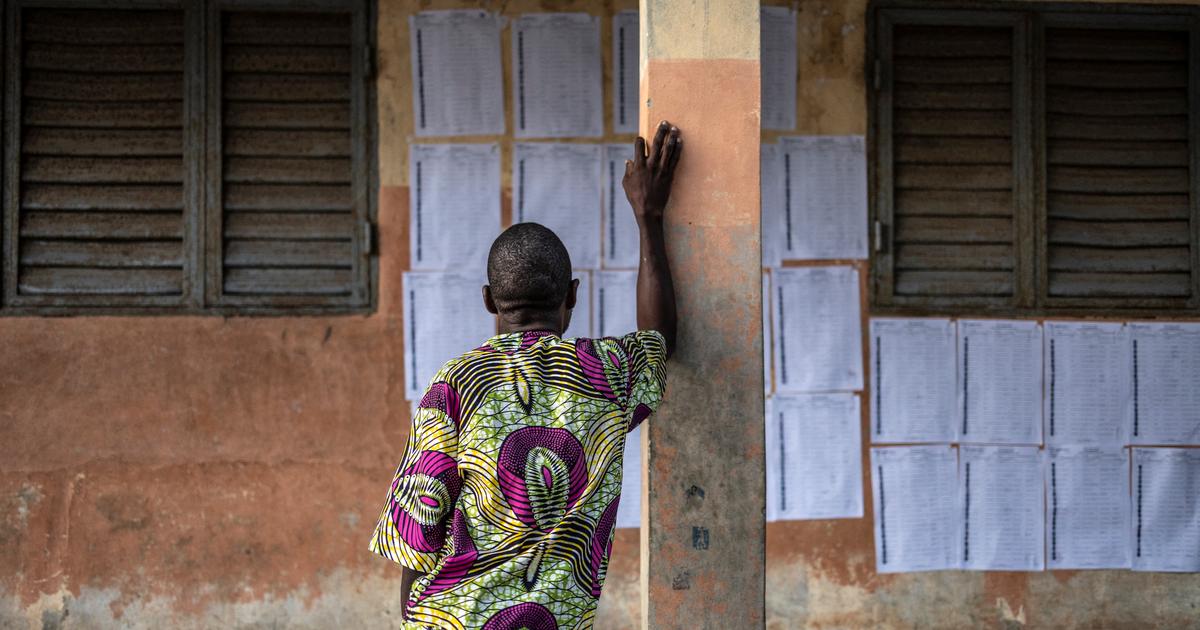

“Preordained victories”, “lackluster races”, “incumbents sweeping first-round wins”. Presidential elections across Africa in 2025 followed a troubling pattern: opposition candidates were systematically sidelined before campaigns even began. The latest examples came from Djibouti on April 10 and Benin on April 12. In the former, incumbent President Ismaïl Omar Guelleh secured a sixth term with a staggering 97.8% of the vote. In the latter, Romuald Wadagni—handpicked successor to Patrice Talon—claimed victory with 94% of ballots cast. Both outcomes left little room for genuine political competition.
In Djibouti, opposition figure Alexis Mohamed withdrew from the race, citing both safety concerns and prohibitive “nomination fees” as insurmountable barriers. Analysts described the election as “a purely ceremonial exercise”, where financial hurdles proved as decisive as ballot boxes.
When money, not votes, decides elections
These cases highlight a continental trend: rising campaign costs are increasingly weaponized to exclude opposition voices. Candidates face exorbitant registration fees, campaign finance rules skewed against challengers, and opaque bureaucratic processes that stifle competition. The result? Elections where incumbents face no meaningful opposition, and where the only contest is among those wealthy enough to pay the price of entry.
For opposition groups, these fees aren’t just financial burdens—they’re strategic obstacles. High costs deter grassroots candidates, drain resources from campaigning, and create artificial scarcity in candidate pools. In Benin, where Wadagni’s victory margin eclipsed 90%, critics argue the system was designed to favor continuity over choice.
Democracy’s hidden price tag
The phenomenon isn’t confined to these two nations. Across Africa, election observers report similar patterns: legal loopholes that inflate costs, sudden rule changes that disadvantage challengers, and institutional inertia that entrenches incumbents. The message is clear: in some systems, “democracy” comes with a prohibitive price tag—one that shuts out all but the most privileged.
As voters in Benin and Djibouti cast their ballots, they weren’t just choosing leaders—they were confronting an unspoken cost of political participation: the price of even being allowed to run.