
Sonko challenges Senegal’s political landscape after dismissal
Senegal’s political turmoil: Ousmane Sonko fires back after removal
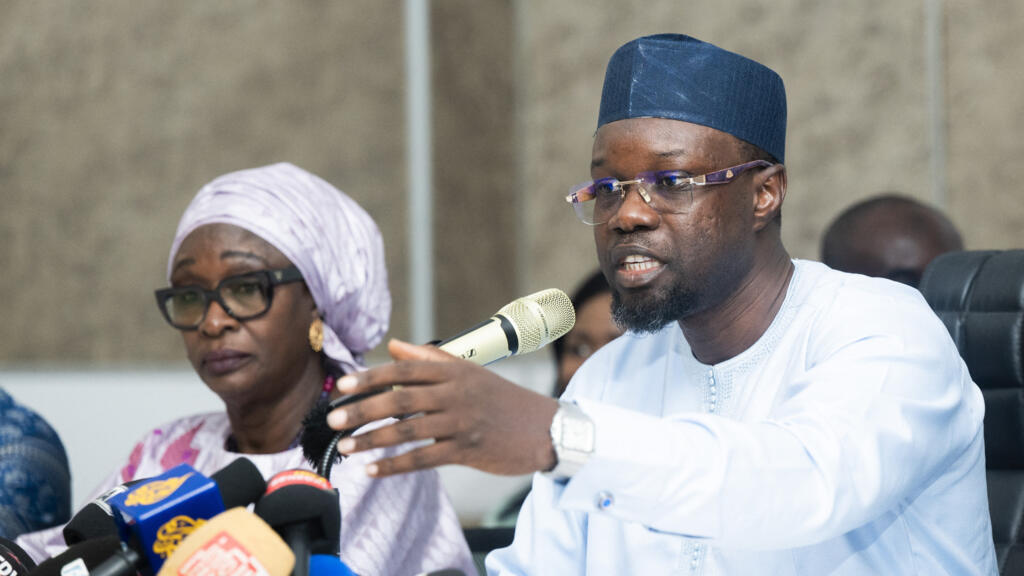
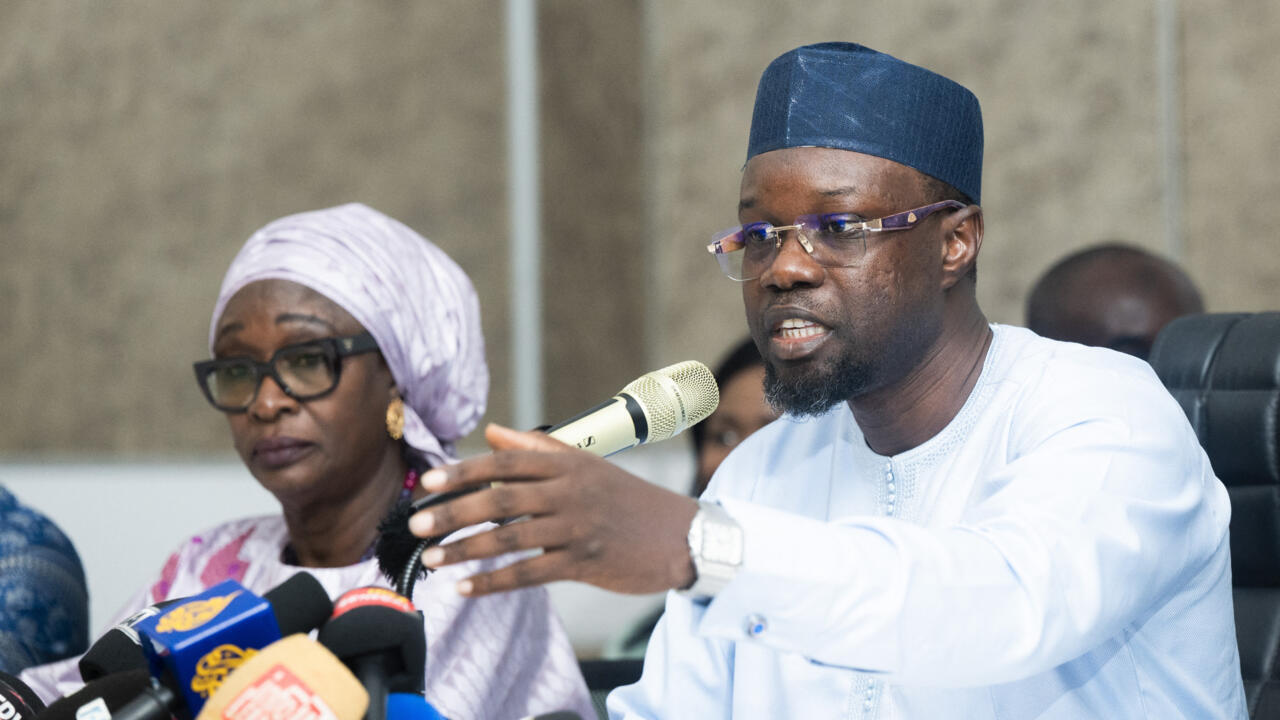
Just days after his dismissal as Prime Minister, Ousmane Sonko has launched a sharp counterattack against President Bassirou Diomaye Faye. In a press conference held in Dakar on Tuesday, June 2, the leader of the Pastef party minced no words in denouncing the government’s legitimacy and warning of potential parliamentary consequences.
Political retaliation or legitimate defense? The question divides opinion as Sonko leverages his party’s parliamentary majority to threaten the stability of the new administration. While Sonko insists he has no intention of destabilizing institutions, he emphasized that Pastef’s control of 130 of the 165 parliamentary seats grants it the power to topple the government through a no-confidence motion. “The situation resembles a form of political cohabitation,” Sonko declared, adding that he had repeatedly alerted the president about this risk without receiving a response.
Accusations of illegitimacy and calls for unity
Ousmane Sonko did not hold back in criticizing the composition of the new government led by Prime Minister Al Amine Lô. In his view, the executive lacks fundamental political legitimacy. “We have a government with no political foundation,” he stated bluntly, dismissing the coalition backing the presidency as meaningless. “This so-called coalition represents nothing. Calling it a ‘technocratic government’ is just a cover for political isolation.” Sonko went further, asserting that Pastef holds the sole claim to popular legitimacy, as the party remains the country’s leading political force following elections.
His remarks underscore a deepening rift within the ruling coalition, with Pastef positioning itself as the moral guardian of the people’s mandate. “We were here before, and we will remain after,” Sonko declared, framing himself as the custodian of the movement’s original narrative.
A fragile presidency facing institutional challenges
The political landscape in Dakar has grown increasingly fragile. Analysts warn that the absence of Pastef in the government presents a significant challenge for the Diomaye Faye administration. Despite constitutional authority, the president’s ability to implement reforms hinges on maintaining trust with Pastef’s parliamentary bloc. “Without direct involvement from the majority party, passing laws and driving reforms could prove impossible,” observers note.
Some commentators describe the situation as unprecedented—a rupture within the same movement rather than a traditional cohabitation between opposing political forces. “This is not a classic power-sharing scenario but a dangerous split,” one political analyst observed. “A technocratic government without its own parliamentary base faces immense difficulties governing while the majority party, led by Sonko, mobilizes its supporters nationwide.”
The coming weeks and months will be decisive. Will the government secure support for its agenda, or will tensions escalate into open confrontation? The answers will unfold in the corridors of power, the streets of Dakar, and the halls of the National Assembly.
What’s next for Senegal’s political future?
As the political drama unfolds, one thing is clear: Senegal stands at a crossroads. The clash between institutional legitimacy and popular mandate could reshape the country’s governance for years to come. Whether this leads to a negotiated resolution or a deeper crisis remains to be seen—but the stakes have never been higher.