Surviving the streets of N’Djamena through the grueling sand trade
Surviving the streets of N’Djamena through the grueling sand trade
In N’Djamena, young Chadians are turning to the manual transport of sand to combat extreme poverty and a lack of formal employment.
Widespread unemployment is forcing a generation to seek survival in the most physically demanding sectors. At the Emtoukoui market in the 7th arrondissement of the capital, dozens of young men have made the sand trade their primary livelihood. This exhausting labor, performed far from the comfort of an office, is a vital necessity for putting food on the table.
Economic projections for Tchad indicate a rising poverty rate, expected to reach 45.4% of the population. This means approximately 9.5 million people are living in a state of extreme financial precariousness.
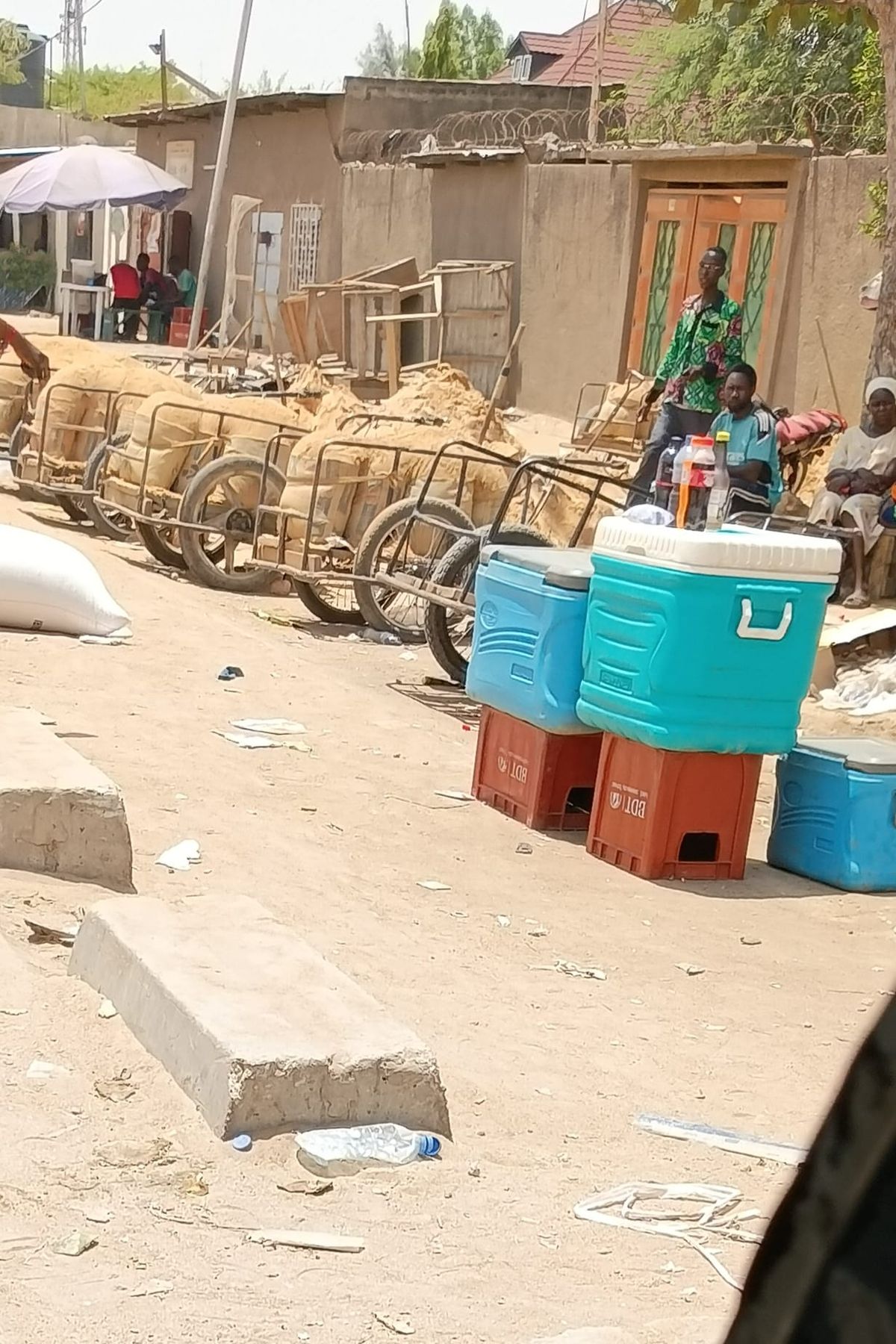
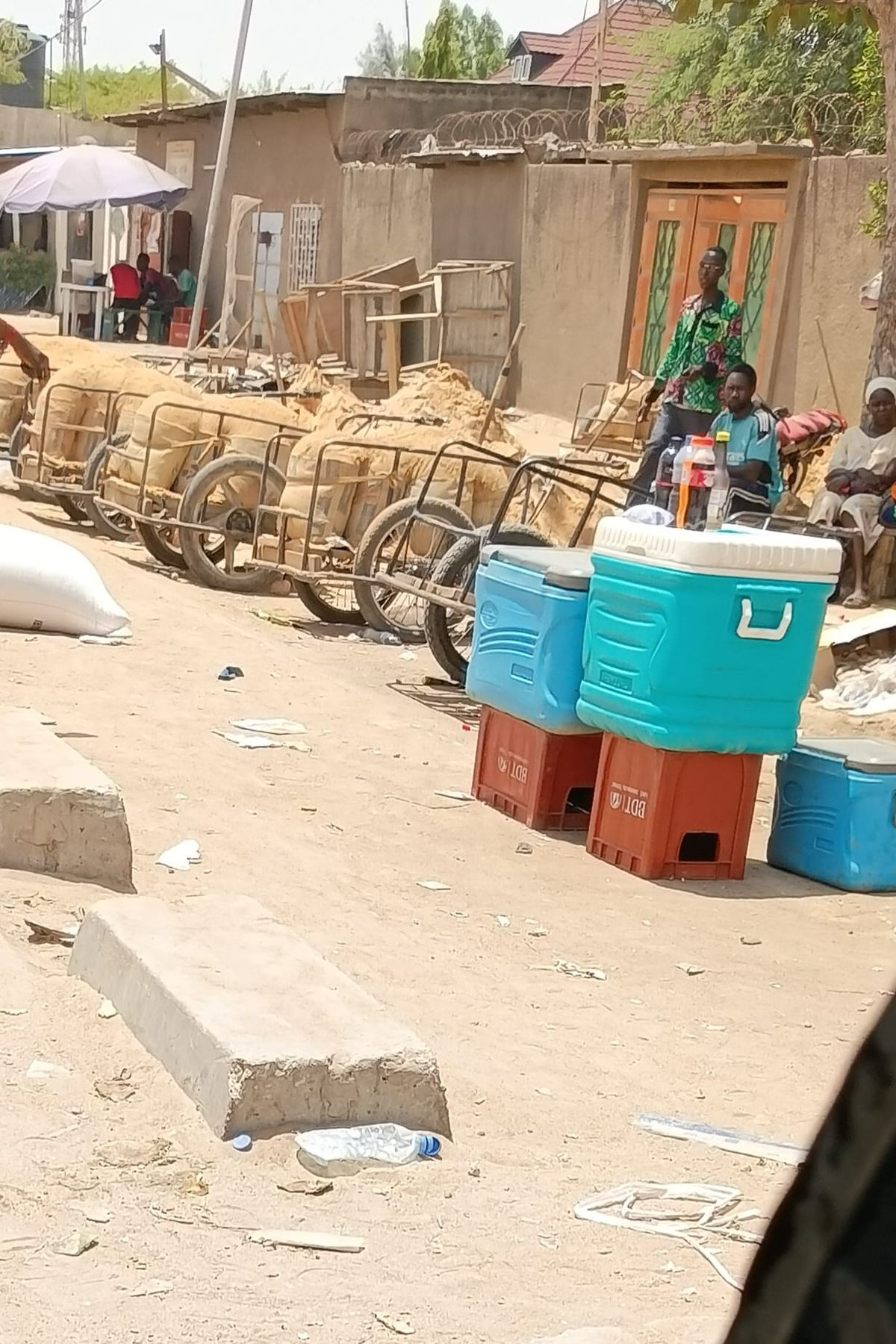
Under a relentless sun, the scene along the paved road at the Emtoukoui market never changes. Rows of heavily loaded “porte-tout” carts line the street, while their owners wait for a potential customer to signal them. The faces of these workers are marked by deep fatigue and a visible lack of motivation. This is not merely a business; it is a desperate struggle for survival centered around the sale of sand.
The demographic data for Tchad highlights a grim reality: unemployment among youth between 15 and 24 years old has hit 30.3%. For those aged 15 to 30, the overall rate is around 22%, but the situation is even more dire for graduates, who face a jobless rate exceeding 60%.
A life built on physical endurance
For these young men, many of whom have seen the doors of formal employment slam shut, sand has become their only exploitable resource. The work is manual, repetitive, and drainingly physical. Sand is packed into 50kg bags and then hauled by hand or moved using “porte-tout” carts across various city neighborhoods.
“Nobody does this out of passion; we do it because we have to,” explains one laborer, his eyes avoiding contact, showing the wear of a long day. “We have to eat, we have to survive. So we take on the burden, no matter how hard it is.” Most of these young workers had their education cut short and are now trying to find a way forward through this grueling activity, though the path is never easy.
The economics of the informal sector
The financial model of this trade remains unstable and unpredictable. Depending on the distance of the delivery, the difficulty of the terrain, or the client’s ability to bargain, a single trip can earn between 2,000 and 5,000 CFA francs. This is a meager sum when compared to the intense physical exertion required every day.
This situation perfectly captures the harsh reality facing the youth of N’Djamena. In the absence of formal career opportunities, the informal sector has become the final defense against total misery. These young men have become the shadow workers of the capital, their sweat fueling the city’s daily life, often without any recognition.
In Emtoukoui and across the city, these workers are not looking for handouts; they are looking for an opportunity. Until then, they remain at their posts, watching for the next customer with their carts ready and their faces set against the weight of an uncertain future.