
A harrowing tale of survival: Belgian-Portuguese researcher recounts Wagner Group detention in Central African Republic
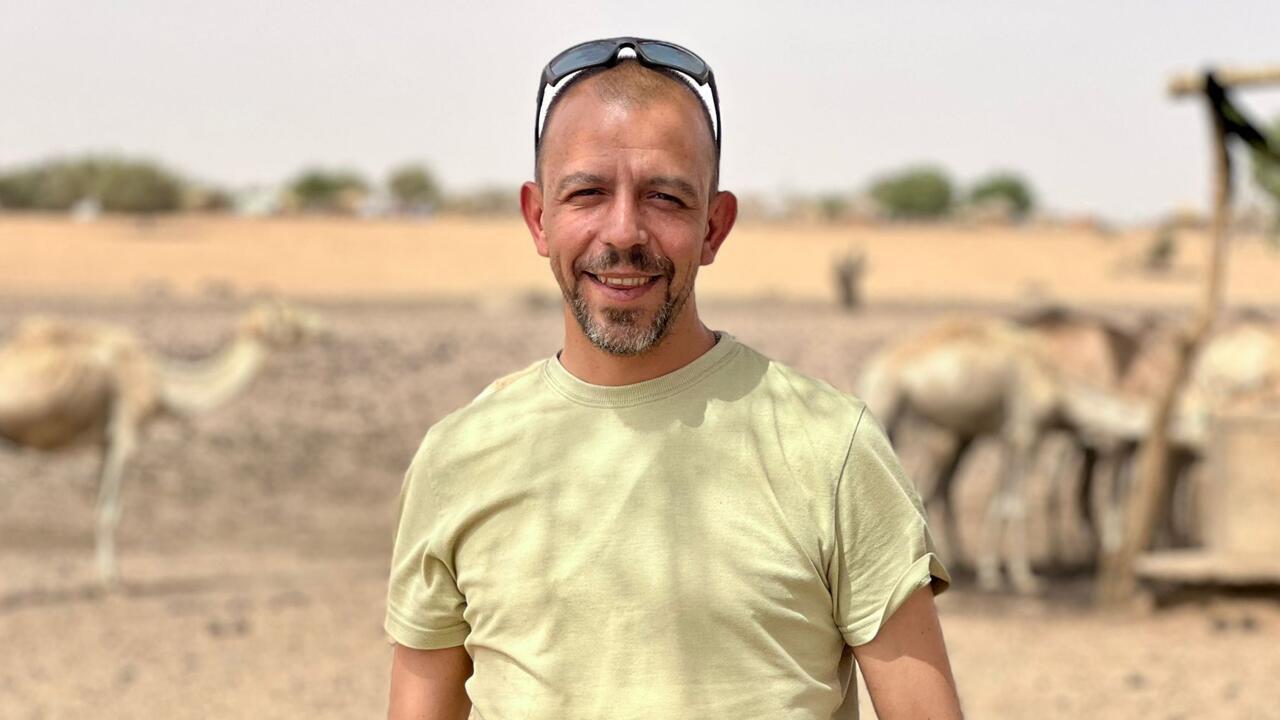
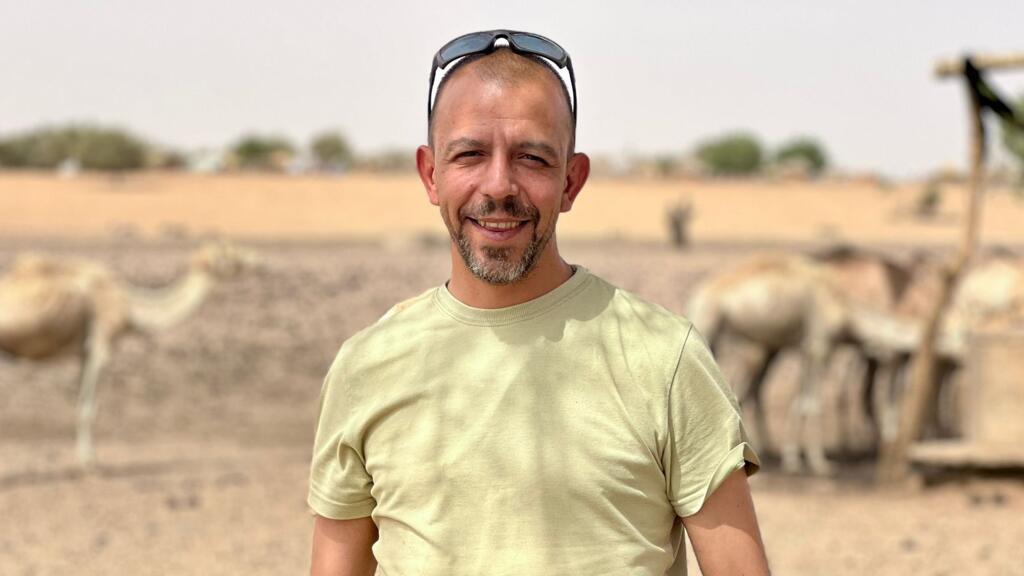
In an extraordinary account of survival, Belgian-Portuguese researcher Joseph Figueira shares his two-year ordeal in the hands of Russian mercenaries from the Wagner Group. Detained in Zemio, in the southeast of the Central African Republic, Figueira was finally released on humanitarian grounds on April 7. His testimony raises critical questions about the circumstances of his arrest and the motives behind his prolonged captivity.
From Zemio to Bria: A journey through captivity
Joseph Figueira’s detention began in Zemio, a remote town in the southeast of the Central African Republic. The circumstances surrounding his arrest remain shrouded in mystery. Was it a targeted operation, or a case of being in the wrong place at the wrong time? Figueira’s account offers a chilling glimpse into the harsh realities of life under Wagner Group custody.
In one of his most harrowing moments, Figueira recounted his terrifying experience in Bria, where he feared for his life. «In Bria, I truly believed I would not survive,» he revealed. His words paint a vivid picture of the perilous conditions he endured during his captivity.
Questions of motive: Targeted or random?
The reasons behind Figueira’s prolonged detention are unclear. Was he deliberately targeted for political propaganda, or did his arrest result from a broader campaign against foreign researchers and consultants in the region? His case raises important questions about the safety of humanitarian workers and researchers operating in conflict zones.
Life after captivity: Rebuilding in Portugal
After more than two years in detention, Figueira was released on April 7 for humanitarian reasons. He is now in Portugal, where he is slowly rebuilding his life with his family. His testimony provides a rare and invaluable insight into the inner workings of the Wagner Group and the challenges faced by those caught in the crossfire of conflict in the Central African Republic.
The Belgian-Portuguese researcher’s ordeal serves as a stark reminder of the dangers faced by those working in conflict zones and the importance of ensuring their safety and security.