

The critical trade corridor linking Dakar and Bamako has ground to a halt, paralyzing cross-border commerce between Senegal and Mali. For weeks, transporters have faced mounting obstacles along the route, raising concerns across West Africa’s economic landscape.
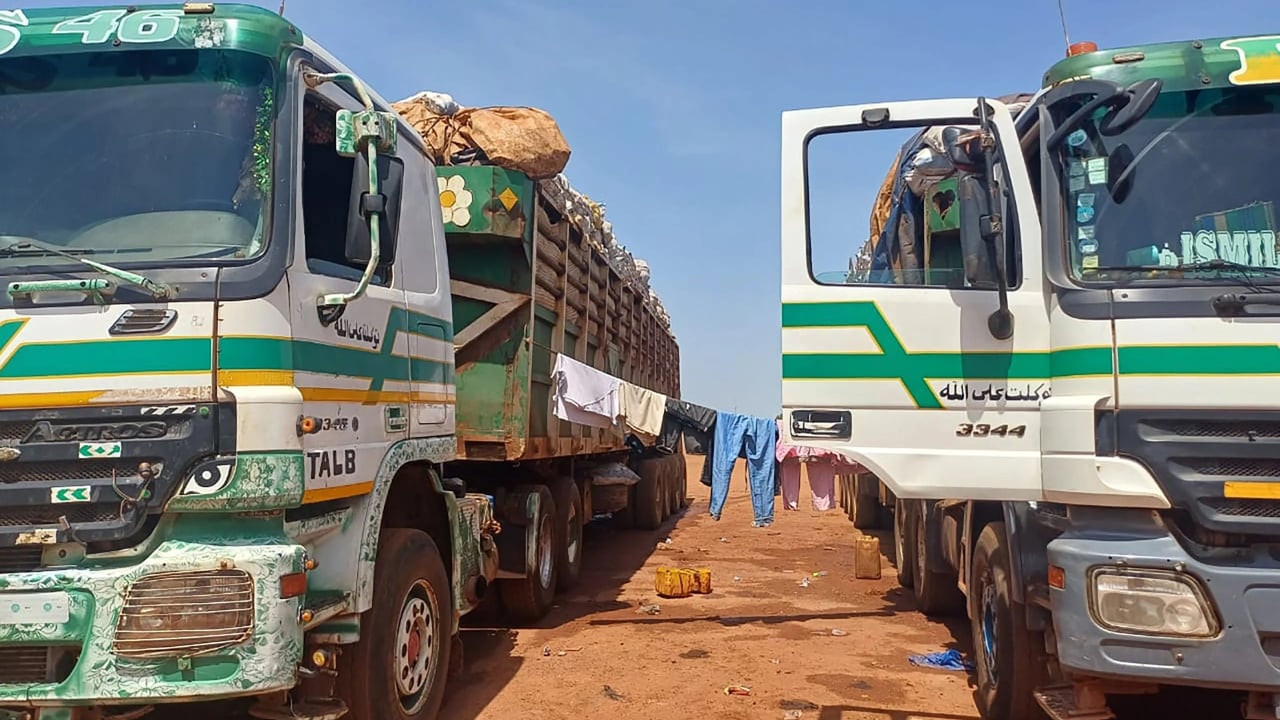
The interruption stems from escalating tensions at the Senegal-Mali border, particularly around the town of Kidira—a vital transit point for goods moving between the two nations. Trucks carrying essential supplies, fuel, and agricultural products have been stranded, leaving businesses in both countries scrambling for alternatives.
Why the Dakar-Bamako route matters
This trade artery is more than just a road; it’s the lifeline for thousands of businesses. Senegal and Mali rely on this path for everything from food imports to manufacturing goods. With the closure, prices of staples like rice and cooking oil are already climbing in Malian markets, while Senegalese exporters are struggling to deliver goods on time.
Local traders report that delays stretch beyond days, with convoys stuck for weeks. Some drivers cite administrative hurdles at border posts, while others point to security concerns linked to regional instability. The situation has forced many to reroute through longer, costlier paths—if they can find viable alternatives at all.
Impact on regional economies
The ripple effects are widespread. In Bamako, markets are feeling the squeeze as fuel shortages disrupt transportation, and food prices surge. Meanwhile, in Dakar, warehouse owners report dwindling inventories and canceled orders from Malian clients.
- Farmers in Senegal are losing access to Malian buyers, threatening livelihoods ahead of the harvest season.
- Manufacturers in Mali warn of production slowdowns due to delayed raw material deliveries.
- Transporters face mounting financial losses as fuel costs rise and perishable goods spoil in transit.
What’s next for the border?
Diplomatic efforts are underway to resolve the impasse, but progress remains slow. Authorities in both countries have pledged to reopen the route, yet no concrete timeline has been set. Meanwhile, traders are calling for urgent measures to restore the flow of goods before the situation worsens.
For now, the road remains closed, and the clock is ticking for economies on both sides of the border.