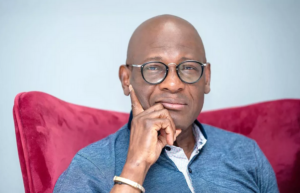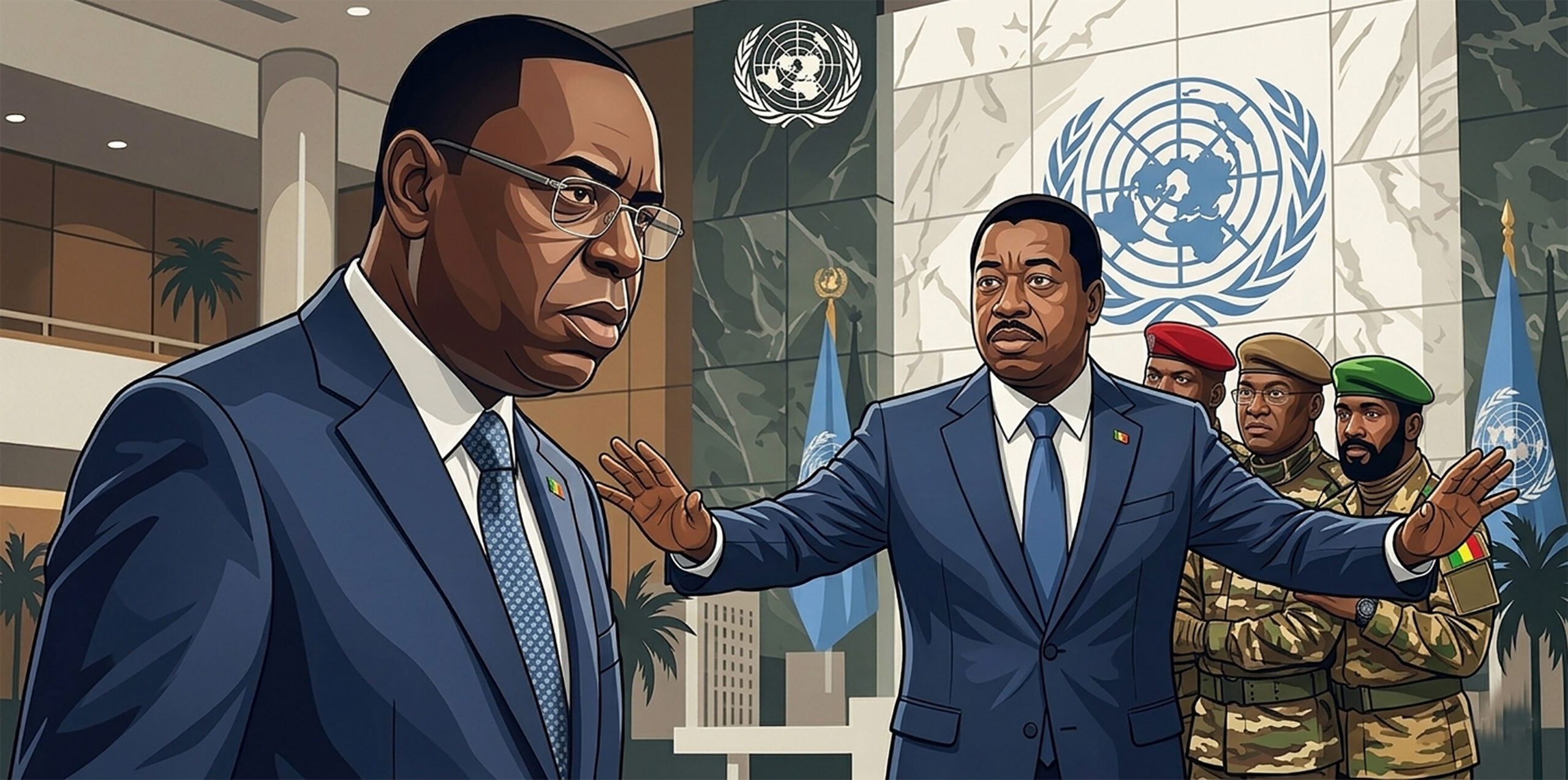

Former Senegalese President Macky Sall, who had seemingly charted a clear path towards the pinnacle of global diplomacy, now finds his lofty aspirations facing an abrupt and unforeseen obstacle. While an initial consensus from 55 African nations appeared to endorse his bid to succeed Antonio Guterres, a decisive intervention by Togo, the new administration in Senegal, and the Alliance of Sahel States (AES) has shattered this facade of pan-African unity. This direct repudiation resonates across the continent as a significant diplomatic tremor.
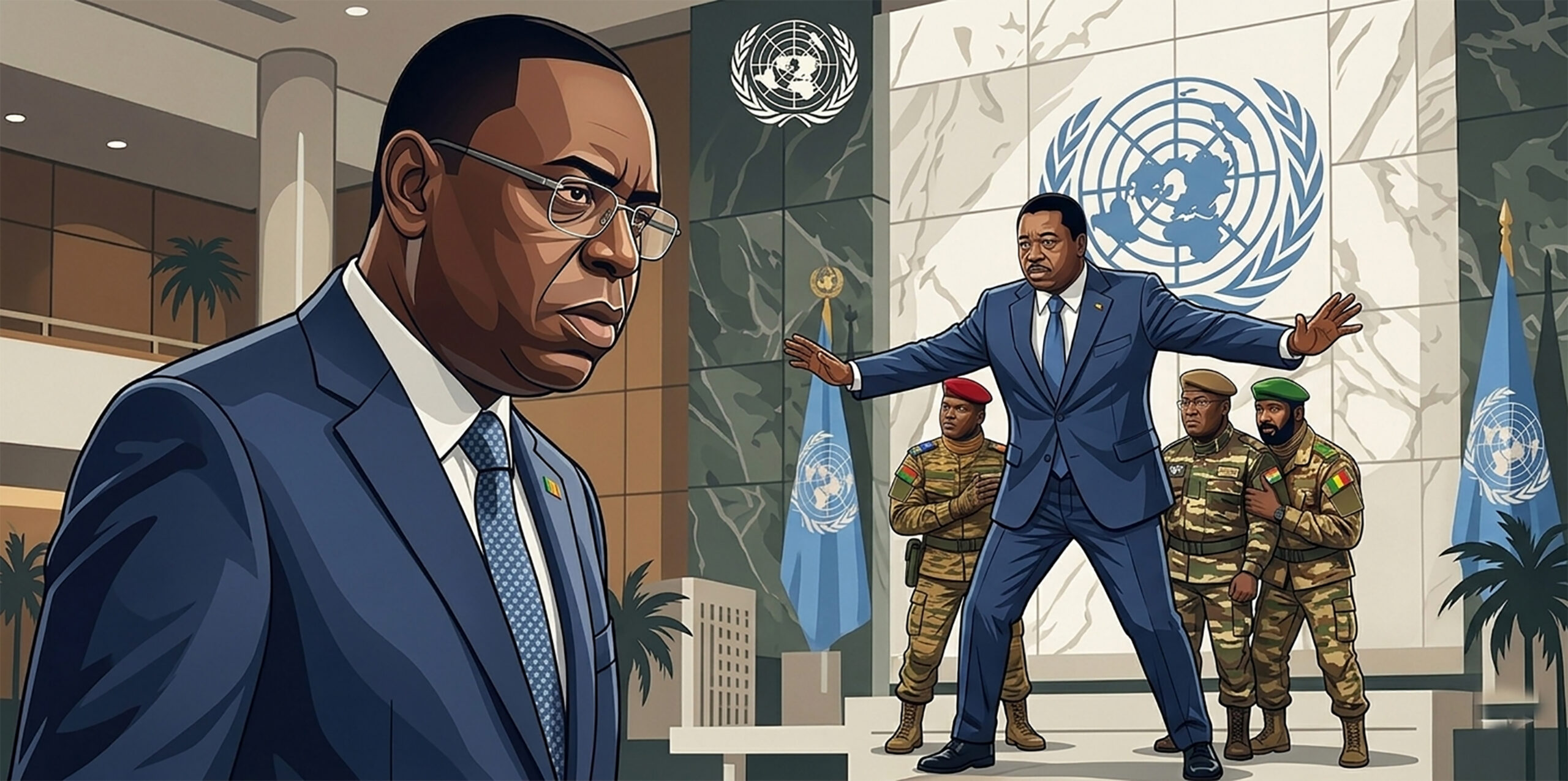
The contrast in diplomatic approaches is stark. On one side, a well-oiled continental diplomatic machinery, accustomed to routine endorsements, seemed poised to elevate one of its former leaders to a prominent global position. On the other, a bold stance led by Togo under Faure Gnassingbé has emerged, choosing to disregard conventional protocol and effectively undermine the former Senegalese leader’s United Nations ambitions. By refusing to align with the African Union’s traditional consensus, Togo has not merely cast a dissenting vote; it has signaled the end of a particular era of accommodating diplomacy.
lomé: the voice of the sahel’s excluded
Togo’s pivotal role in this unfolding situation extends beyond a simple regional disagreement. By stepping forward as the advocate for the AES countries (Mali, Burkina Faso, Niger), Lomé has clearly aligned itself with a movement seeking to break from the established order.
- ECOWAS Legacy: For Lomé and its Sahelian partners, Macky Sall is remembered as a key architect behind the punitive ECOWAS sanctions that sought to destabilize military transitions in the region.
- Solidarity with Dakar: By aligning with the stance of Senegal’s new government under Bassirou Diomaye Faye, Togo underscores an undeniable principle: one cannot genuinely represent Africa on the global stage if one lacks endorsement within their own nation.
global repercussions of a regional shift
The message conveyed to the United Nations Security Council is profoundly impactful. How can the General Assembly legitimately endorse an African candidacy that fails to secure unanimous support within its own immediate sphere? An expert in geopolitics at the University of Lomé observed, « Togo has unequivocally reminded the world that Africa is no longer a monolithic entity, to be swayed solely by the interests of Western chanceries. This represents a monumental diplomatic awakening. »
the twilight of an ambition
For Macky Sall, the realization is harsh. The decisive blow did not originate from New York’s diplomatic corridors, but from Lomé, a capital he perhaps assumed would play by the familiar rules of diplomatic musical chairs. By disrupting the established consensus, Faure Gnassingbé asserts himself as a formidable new regional power broker, capable of influencing international destinies through a clear and determined sovereignist vision. The 38th floor of the iconic glass tower in Manhattan now appears definitively out of reach. From the Gulf of Guinea, the verdict has been delivered: Macky Sall’s moment on the global stage has passed.