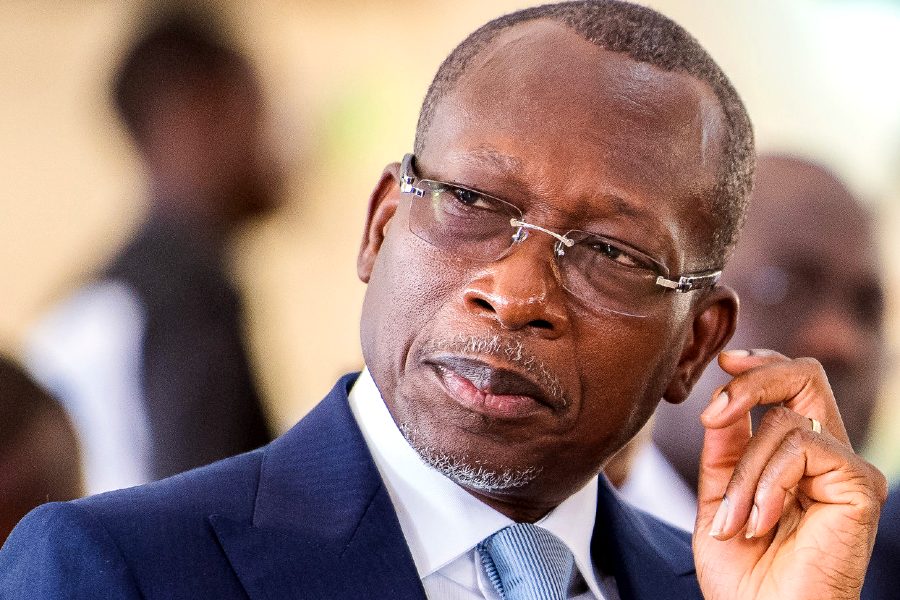

The curtains have just fallen on Benin’s presidential election held on Sunday, April 12, 2026, and one thing is clear: the nation has defied the grimest forecasts. Amid a West African subregion plagued by instability, Cotonou delivered a picture of a calm and orderly election, crowning the ultimate success of Patrice Talon’s security strategy as he prepares to step down.
The stakes were undeniably high. With persistent jihadist threats in the far north and internal political tensions over the succession, the April 12th election was seen as a litmus test for the “Rupture” agenda. Today, relief is tangible: from the Pendjari River banks to the shores of Cotonou, not a single incident was reported.
a fortified shield against northern terrorism
This Sunday’s triumph hinges on proactive measures. In the face of armed terrorist groups (ATGs) shaking neighboring Sahel countries, the government rolled out an exceptional security framework. The enhanced Operation Mirador, fortified in recent months, secured voting booths in volatile zones like Alibori and Atacora.
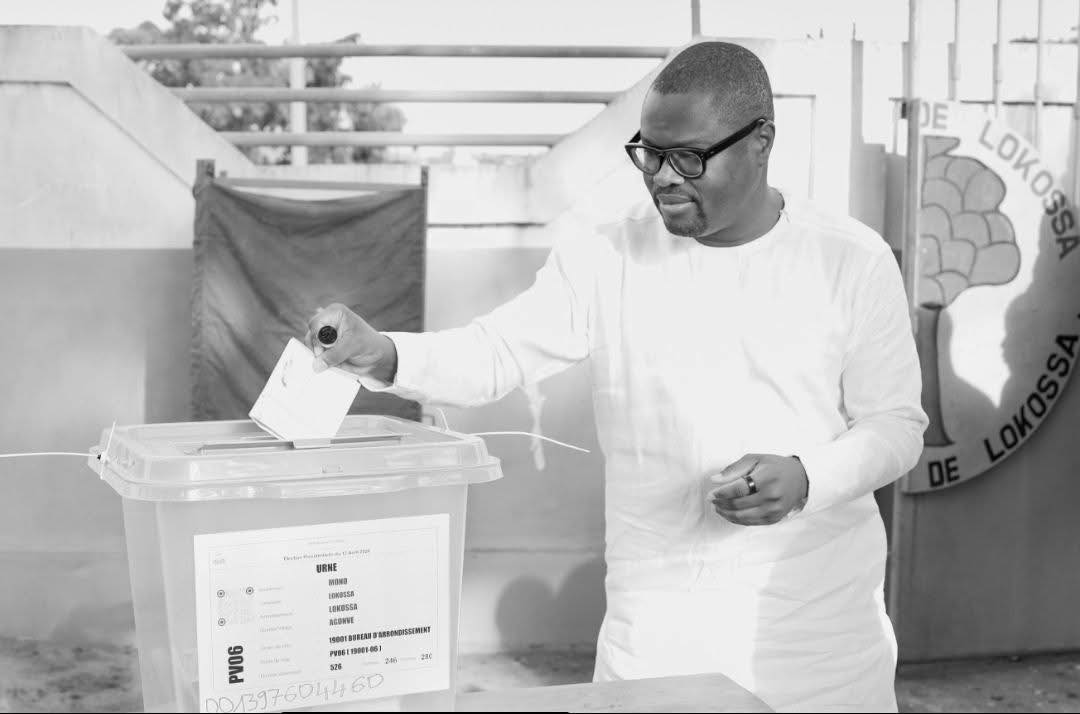
“We voted without fear. The presence of defense forces, though subtle, was reassuring,” shared a voter in Kandi, a city where the designated successor, Romuald Wadagni, launched his campaign under heavy protection.
benin: a beacon of democracy and security in west africa
In a West Africa marred by military transitions and chronic security crises, Benin reaffirms its status as an exception. By strictly adhering to term limits and conducting a peaceful vote, Patrice Talon solidifies his legacy with a resounding note of stability.
- Disciplined law enforcement: Unlike past elections, no security missteps were recorded.
- Secure electoral logistics: The transportation of ballot boxes was flawlessly executed with military-grade precision.
- Tightened border controls: Enhanced surveillance thwarted any malicious infiltration during the electoral period.
the legacy of “inner peace”
To international observers, this “wager won” is the culmination of a decade of structural reforms. By modernizing defense forces’ equipment and investing in intelligence, Patrice Talon bequeaths to his successor a nation with robust institutions and a protected territory.
As the vote-counting process unfolds, Benin can proudly claim to have turned the presidential test into a testament to national resilience. Democracy has spoken, and security has stood guard.