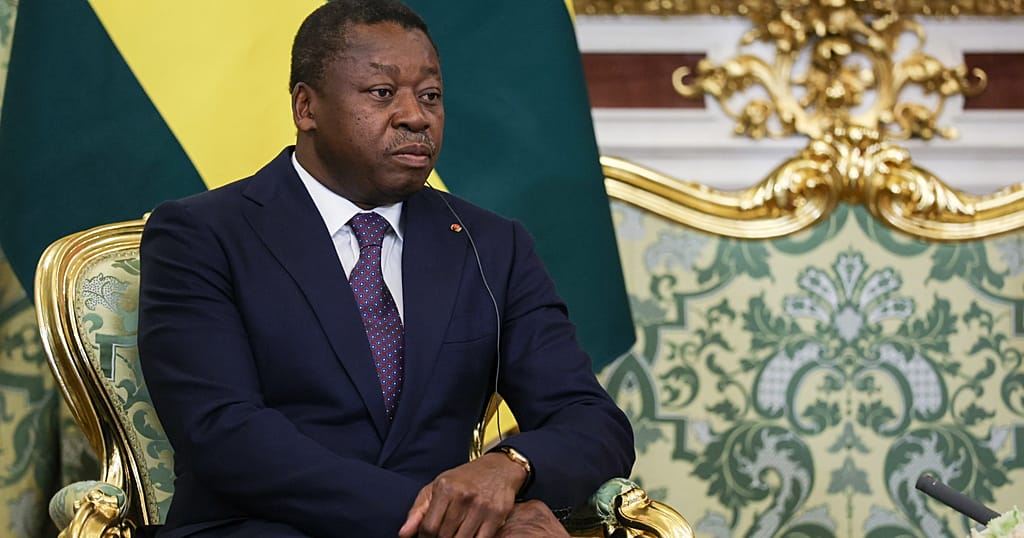

Togo unveiled a fresh Sahel security and geopolitical strategy during a pivotal meeting held in Lomé over the weekend. The gathering assembled delegates from the Economic Community of West African States (ECOWAS), the Alliance of Sahel States (AES), and key international stakeholders, including representatives from France and the European Union.
The core objective of this initiative is to reopen channels of communication with Mali, Niger, and Burkina Faso—nations that have progressively distanced themselves from ECOWAS and their Western allies in recent years, increasingly aligning with Russia. These governments have cited differing priorities and approaches to regional stability as reasons for their shift in alliances.
The proposed strategy outlines Togo’s commitment to leveraging its diplomatic influence and regional presence to mediate between Sahel nations and the global community. “Togo stands prepared to deploy its mediation skills and deep-rooted regional connections to enhance stability, serving as a vital link between the Sahel and international partners,” stated Robert Dussey, Togo’s Minister of Foreign Affairs.
five pillars underpinning Togo’s Sahel blueprint
Togo’s 2026-2028 Sahel strategy is structured around five key pillars:
- Political dialogue with the AES: Fostering mutual understanding and cooperation with the Alliance of Sahel States.
- Regional and international collaboration: Strengthening partnerships to address shared challenges.
- Counter-terrorism efforts: Combating the rising threat of extremist violence across the region.
- Economic integration: Promoting trade and development to bolster stability and prosperity.
- Security coordination: Ensuring alignment on regional security measures and preventing destabilizing foreign interventions.
Sahel states open to cooperation
Representatives from the Alliance of Sahel States have voiced their support for Togo’s initiative, highlighting the need for enhanced security cooperation. “Effective security requires the cessation of foreign military presence that may undermine regional stability,” emphasized Abdoulaye Diop, Mali’s Minister of Foreign Affairs. The AES nations are currently grappling with escalating jihadist violence linked to Al-Qaeda and the Islamic State, which has resulted in significant loss of life and territorial control.
These extremist groups are also expanding their reach into coastal West African countries, including Togo and Benin, posing a growing threat to broader regional security.