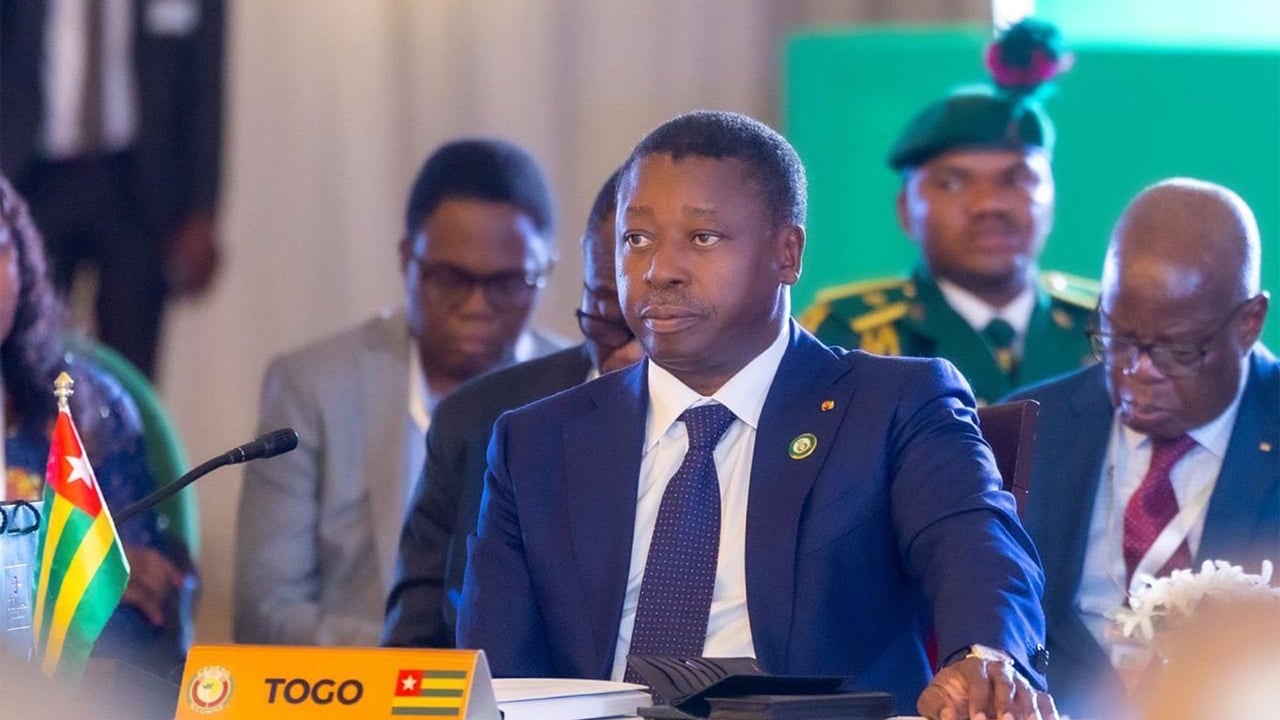


Togo’s foreign policy strategy often speaks volumes through its reticence. On March 9, 2026, the Togo government discreetly welcomed Andrei Belousov, Russia’s Defense Minister, who arrived in Lomé by plane the previous day. The meeting with Faure Essozimna Gnassingbé was confirmed to a media outlet by a presidential source, yet no official statement was released about this high-level encounter.
a strategic balancing act between competing blocs
This unannounced visit underscores Faure Gnassingbé‘s delicate diplomatic maneuvering amid shifting geopolitical sands. As regional organizations like ECOWAS and the Alliance of Sahel States (AES) assert their influence, Togo finds itself navigating relationships with major global players including Russia.
The Togo president’s approach reflects a broader trend in West Africa, where nations are carefully calibrating their alliances to maximize national interests. While maintaining engagement with traditional partners, Lomé appears to be exploring alternative diplomatic avenues without triggering regional tensions.
why Togo’s silence matters
The absence of official communication about the Russian Defense Minister’s visit suggests Togo’s preference for quiet diplomacy. This strategy allows the country to engage with diverse international actors while avoiding premature commitments that could strain relationships with neighboring states or regional blocs.
The careful positioning becomes particularly significant as ECOWAS strengthens its collective stance on security and governance, while the Alliance of Sahel States consolidates its alternative vision for regional cooperation. In this complex landscape, Togo’s measured approach may prove crucial for maintaining regional stability and economic partnerships.