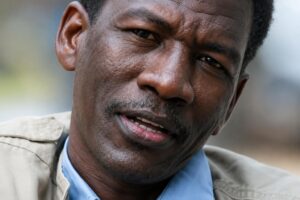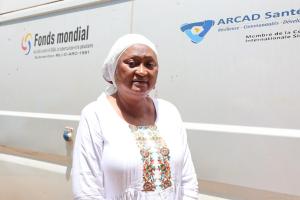

Empowering communities through science: insights from Dr. Bintou Dembélé in Mali
Bamako — The 2026 World Health Day theme, “Unite for health. Support science,” shines a spotlight on health advocates across Africa who harness scientific progress to uplift communities. Among them is Dr. Bintou Dembélé, a physician and public health expert from Mali, whose decades-long career focuses on combating infectious diseases and strengthening healthcare systems in West Africa.
Dr. Dembélé champions the belief that science must serve people directly. She advocates for leveraging scientific knowledge to prevent health crises, enhance medical care, and build trust between researchers, policymakers, and communities. In this special feature, she shares her vision of making science accessible, collaborative, and life-changing for everyone.
Why science is the backbone of public health protection
Science is the driving force behind breakthroughs in medicine. It fuels the discovery of new drugs, vaccines, and treatments to combat both long-standing and emerging diseases. Beyond treatment, science empowers prevention by uncovering how illnesses spread, enabling communities to act before outbreaks become crises.
It also revolutionizes healthcare delivery. Advanced diagnostic tools, state-of-the-art medical equipment, and optimized care systems save lives by improving recovery rates and patient outcomes. Investing in science means investing in healthier, more resilient communities.
How regional scientific partnerships transform health outcomes
Collaboration is key to addressing shared health challenges in West Africa. By pooling expertise, resources, and data, countries can tackle endemic diseases, reduce maternal and child mortality, and strengthen healthcare infrastructure.
These partnerships extend beyond health, fostering socio-economic growth. Healthy populations are more productive, contributing to stronger economies and more stable societies. When nations unite in science, everyone benefits.
The “One Health” approach: a game-changer for crisis prevention
The “One Health” framework highlights the interconnectedness of human, animal, and environmental health. Recognizing these links allows communities to anticipate and prevent health threats more effectively.
This approach promotes collective vigilance through local monitoring systems and strengthens dialogue between experts and the public. It also integrates traditional knowledge, ensuring research is inclusive and community-driven. By making communities active participants in their health, “One Health” creates sustainable solutions that last.
Turning research into real-world impact faster
Scientific data holds immense value, but its true potential lies in action. Rapid analysis, transparent sharing, and swift integration into public policies are essential to convert research into tangible health interventions.
By embedding scientific evidence into decision-making, governments can allocate resources efficiently, design targeted health programs, and respond to community needs with precision. The faster science translates into policy, the greater its impact on lives saved.
Building trust in science through accessibility and transparency
Trust in science grows when information is clear, relatable, and locally relevant. To engage communities, scientific findings must be communicated in ways that resonate with their daily lives.
Transparent sharing via trusted channels—such as community leaders, local media, and healthcare workers—bridges the gap between researchers and the public. When people understand how science benefits them directly, they become advocates, driving a collective movement toward better health for all.