As part of the comprehensive $33 billion global humanitarian appeal for 2026, the United Nations and its collaborating partners are urgently requesting $5.1 billion. This critical funding aims to provide life-saving assistance to 24 million of the most vulnerable individuals across West and Central Africa.
Projections for 2026 indicate that over 42 million people will require vital aid to ensure their survival and safety in nations including Burkina Faso, Cameroon, Mali, Niger, Nigeria, the Central African Republic, the Democratic Republic of Congo, and Chad.
Charles Bernimolin, who leads the regional office for OCHA in West and Central Africa, issued a stark warning: “Without immediate and substantial resources, families throughout West and Central Africa will confront escalating hunger, widespread displacement, and heightened protection risks, leading to intensified suffering.”
The United Nations Office for the Coordination of Humanitarian Affairs (OCHA) reports that the region is grappling with a deepening humanitarian crisis impacting millions. Persistent violence, ongoing conflicts, and environmental catastrophes relentlessly force families from their homes and erode their ability to meet fundamental needs.
Escalating Insecurity in the Central Sahel and Lake Chad Basin
The volatile security situation in the Central Sahel region, notably in Burkina Faso, Mali, and Niger, is now spilling over into neighboring countries such as Benin, Côte d’Ivoire, Ghana, Togo, and Mauritania. Concurrently, the ongoing instability in the Lake Chad Basin and the conflict in Sudan are compelling even more individuals to seek refuge.
Consequently, millions remain displaced across the region, with figures showing 12.7 million internally displaced persons and 3.7 million refugees and asylum seekers. The majority of these are women and children, who frequently endure multiple displacements and face elevated risks, including gender-based violence, exploitation, and alarming reports of rape and survival sex.
As violence expands its reach, climate change further exacerbates existing vulnerabilities. In 2025 alone, severe rainfall and extensive flooding impacted over 2 million individuals across 12 countries, leading to widespread crop destruction, damage to homes, and cutting off crucial access to schools and health facilities. The Democratic Republic of Congo experienced particularly severe consequences, with more than 830,000 people affected.
The Devastating Impact of Funding Shortfalls
In the Central African Republic, the number of individuals receiving cash assistance plummeted by 75%
OCHA highlights that despite the commendable generosity of donors in 2025, humanitarian operations throughout the region faced a critical funding gap. Out of the $7.8 billion required, only $1.8 billion was secured, representing a mere 24% of the necessary funds.
These significant funding shortfalls compelled humanitarian organizations to scale back their responses and make agonizing decisions regarding which intervention areas and which highly vulnerable communities could receive support.
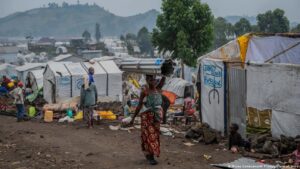
The repercussions of these cuts have been devastating. For instance, in the Central African Republic, the count of individuals receiving crucial cash aid dropped by 75%, severely restricting their ability to address immediate needs. Similarly, in the Democratic Republic of Congo, where conflict triggered widespread new displacements, a staggering 85% of those identified for shelter assistance received no support whatsoever.
Despite these severe budget reductions, humanitarian partners remain committed to addressing the most pressing needs across West and Central Africa.
By the close of 2025, humanitarian workers successfully delivered at least one form of assistance to 19 million people in this challenging region. However, humanitarian agencies emphasized that “the persistent lack of funding regrettably prevented reaching several million more individuals in dire need.”