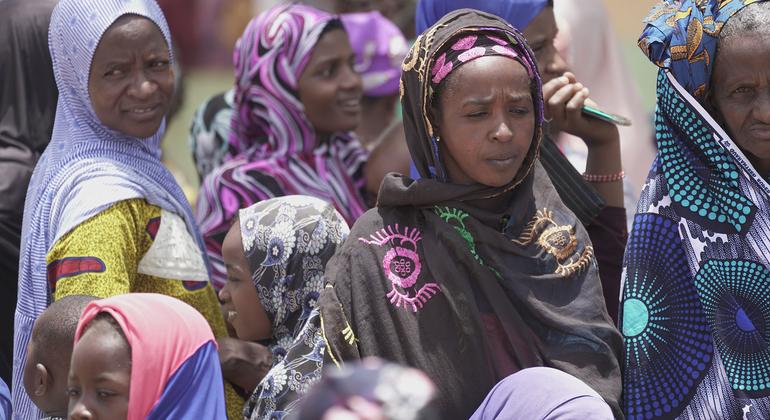

The United Nations Committee on the Elimination of Racial Discrimination has raised alarm over escalating human rights abuses targeting the Fulani ethnic group in Burkina Faso. According to independent investigators, extrajudicial killings, torture, arbitrary detentions, abductions, and forced disappearances have surged during military and security operations against jihadist factions in the Sahel region, fostering a climate of repression and targeted violence.
systematic violations and ethnic profiling
The UN experts detailed that these violations are frequently attributed to national armed forces, domestic security units, and their affiliates—including the Volunteers for the Defense of the Homeland—as well as non-state armed groups. A particularly troubling trend is the ethnic profiling of Fulani individuals by defense forces, security personnel, and members of the Civic Brigade for Order and Discipline (known locally as the “Brigade Laabal”).
These abuses are often justified by alleged ties between Fulani communities and terrorist organizations, a claim that has fueled widespread discrimination. The Committee highlighted a surge in hate speech and incitement to violence online, including calls for criminal acts—including murder—against Fulani people. Such rhetoric not only exacerbates racial tensions but also risks normalizing discriminatory violence.
urgent calls for accountability and reform
The UN body has urgently called on Burkina Faso’s government to launch immediate, thorough, and impartial investigations into all reported abuses by state forces and their allies. Perpetrators must be held accountable through fair trials and appropriate sanctions. Beyond punitive measures, the Committee emphasized the need for legislative and preventive action to curb ethnic and racial discrimination.
It recommended that Burkina Faso explicitly prohibit racial and ethnic profiling in national law, aligning with international human rights standards. Additionally, the Committee stressed the importance of issuing clear, binding operational directives for police and security forces to prevent profiling during identity checks, crowd control, and military operations.
Ouagadougou’s response and ongoing tensions
The UN’s findings come as Burkina Faso vigorously denies the allegations, asserting that its security operations comply with national and international law and do not target any specific community. Sabine Bakyono Kanzie, Permanent Representative of Burkina Faso to the UN in Geneva, stated that the counterterrorism efforts are conducted with full respect for human rights and without discrimination.
The government pointed to existing complaint mechanisms, community policing initiatives, and human rights training programs within the defense and security sectors as evidence of its commitment to preventing stigmatization. Officials also noted the ethnic diversity within state institutions, including high-ranking representation of Fulani individuals.
Despite these claims, human rights advocates argue that the discrepancy between official statements and ground realities underscores the need for independent oversight and urgent reforms to protect vulnerable communities in the Sahel.