
why the US is re-engaging with Sahel’s military juntas after turning to Russia
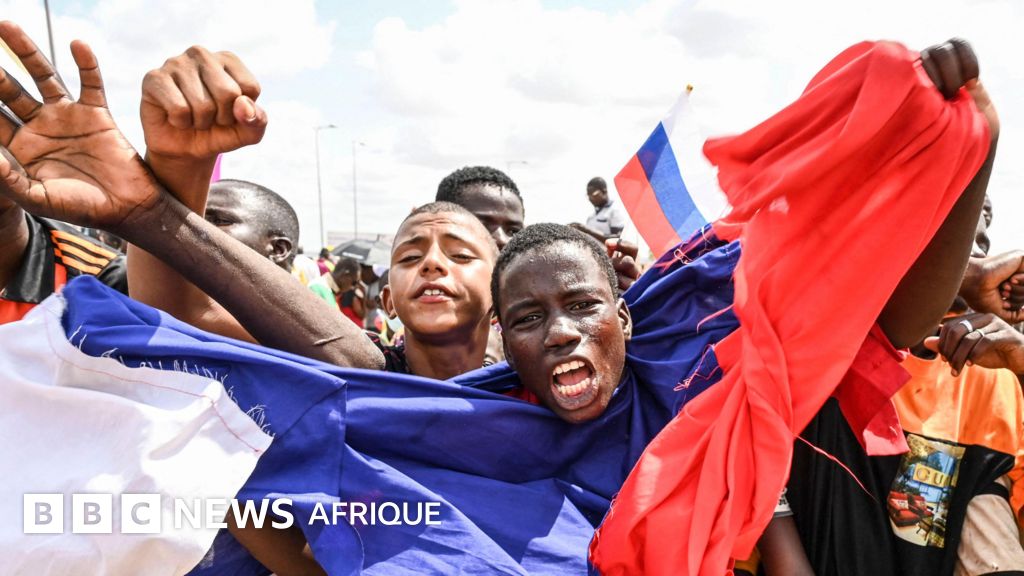
The United States has signaled a major shift in its foreign policy toward three West African nations—Mali, Burkina Faso, and Niger—where military juntas have severed ties with France and pivoted toward Russia for security partnerships.
Nick Checker, head of the US State Department’s Africa Bureau, is set to visit Bamako, the capital of Mali, to reaffirm Washington’s respect for the country’s sovereignty and explore new avenues for cooperation. The visit also signals an openness to engage with neighboring Burkina Faso and Niger, emphasizing shared interests in security and economic collaboration.
a new us approach: security over democracy
The Biden administration previously suspended military cooperation with these nations following coups that ousted democratically elected leaders between 2020 and 2023. However, the current US stance under the Trump administration reflects a stark departure from that policy. The agenda for Checker’s visit makes no mention of longstanding US concerns over democracy and human rights, prioritizing instead security and economic ties.
This shift became evident over the past year, particularly after Donald Trump returned to the White House. The US has since closed its USAID mission in the region and refocused its strategy on security and mineral resources, deprioritizing development and governance initiatives.
The announcement of Checker’s visit explicitly acknowledges the sovereignty of Mali, a message likely to resonate with military leaders who have gained popularity by rejecting France’s colonial influence and embracing pan-Africanist rhetoric.
rising jihadist threats and mineral-rich stakes
The US’s renewed engagement is driven by growing concerns over the escalating threat of jihadist groups in the Sahel, a semi-arid region south of the Sahara. According to various estimates, the area now accounts for half of all terrorism-related deaths globally. While most victims are local, the spread of militant control has raised fears of ungoverned territories becoming havens for global terror networks.
The Islamic State in the Greater Sahara (ISGS), active in the “three-border region” where Mali, Burkina Faso, and Niger converge, poses a significant threat. Recent attacks, including one on Niamey’s airport, underscore the urgency of counterterrorism efforts.
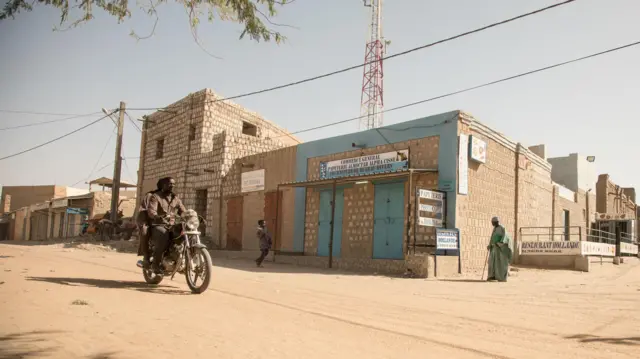
The region is also rich in critical minerals, including gold, lithium (essential for batteries and pharmaceuticals), and uranium. Military juntas in Niger and Mali have reclaimed control of mines previously operated by France, signaling a potential shift toward partnerships with Russia for resource extraction.
balancing Russia’s influence in the Sahel
Washington’s primary motivation appears to be countering Moscow’s growing role in the region. Unlike the European Union, France, or the Biden administration, the current US leadership does not view Russian military presence as a threat to regional stability or human rights. Russia has deployed around 1,000 private security contractors to Mali, with smaller contingents in Burkina Faso and Niger. Reports of abuses by Russian forces, particularly in Mali, have surfaced, though Washington seems unconcerned.
The US aims to provide an alternative security partnership to these nations, offering intelligence support and potentially arms, while avoiding direct military intervention. General John Brennan, Deputy Commander of AFRICOM, confirmed ongoing US support for military-led governments in their fight against jihadist groups, including the Islamic State.
However, the US is not seeking to redeploy active troops or reopen the drone base in Agadez, Niger, which was shut down after pressure from the Biden administration. Instead, Washington is focusing on providing intelligence and logistical support, aligning with Trump’s promise to avoid “endless wars.”
regional alliances and the future of Sahel security
Following their withdrawal from the ECOWAS, Mali, Burkina Faso, and Niger formed the Alliance of Sahel States (AES), a move that has left the regional bloc with limited leverage over their internal governance. This has opened the door for non-ECOWAS members to collaborate with the juntas on counterterrorism efforts.
The threat of militant infiltration extends beyond the Sahel, with attacks spreading to neighboring countries like Benin, Nigeria, Togo, Ghana, and Côte d’Ivoire. Intelligence-sharing and potential arms supplies from the US could bolster regional security efforts, but experts warn that military solutions alone may not suffice without addressing the region’s underlying economic and social challenges.
While the US’s renewed focus on the Sahel may yield short-term gains in counterterrorism, the long-term stability of the region remains uncertain without comprehensive solutions to its complex socio-economic issues.