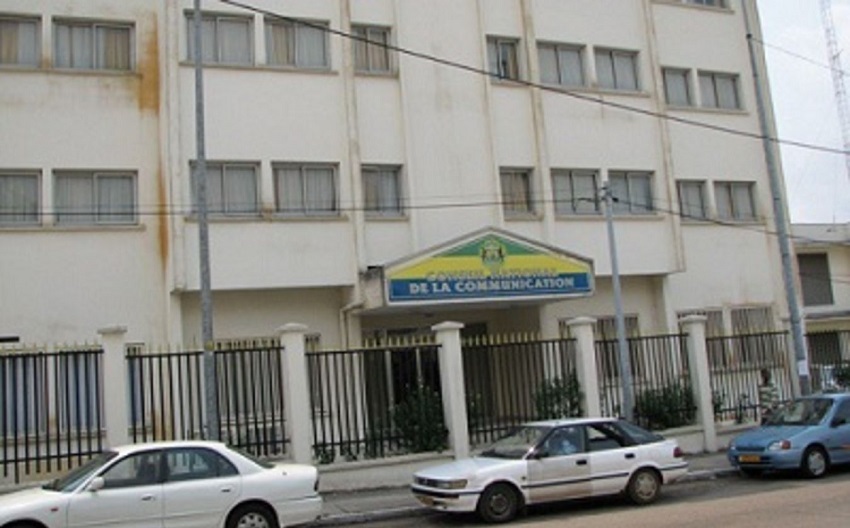

Vandalism at Gabon’s communication authority raises security concerns
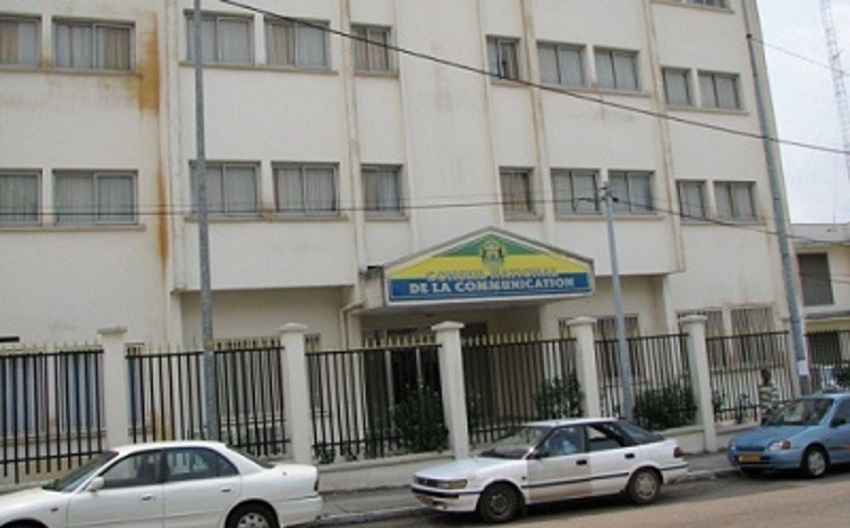
Libreville, June 3, 2026 — The deliberate destruction of offices within Gabon’s Haute Autorité de la Communication (HAC) has sent shockwaves through the nation’s public sector. The incident, which targeted four adviser offices, has exposed vulnerabilities in the safeguarding of institutions responsible for regulating media, public information, and democratic oversight.
The attack unfolded when intruders forcibly entered restricted areas by breaking down doors, gaining access to the offices of multiple HAC advisers. While authorities have yet to disclose the full extent of the damage or the motives behind the act, preliminary assessments suggest this was no random act of vandalism. The brazen nature of the intrusion points to a calculated effort to disrupt the functioning of a critical regulatory body.
Why the HAC matters in Gabon’s democratic framework
The Haute Autorité de la Communication serves as a cornerstone of Gabon’s institutional architecture, ensuring compliance with media regulations, safeguarding public information standards, and balancing freedom of expression with civic responsibility. Its role is particularly delicate, as it navigates the fine line between upholding press freedom and preventing disinformation or harmful content dissemination.
Attacks on such institutions strike at the heart of democratic governance. Even if no direct link between the vandalism and the HAC’s regulatory duties has been established, the incident underscores the urgent need for enhanced protection of public bodies entrusted with safeguarding national discourse and institutional integrity.
Security gaps and the fragility of public institutions
The ease with which the intruders breached multiple offices raises serious questions about the adequacy of security protocols in Gabon’s administrative buildings. While the immediate focus remains on assessing the damage, the deeper concern lies in the implications for state capacity to protect its strategic infrastructure.
In modern governance, regulatory bodies like the HAC are prime targets for interference due to the sensitive nature of the data they handle. Their offices often contain classified documents, confidential communications, and strategic information vital to national stability. The incident in Libreville serves as a stark reminder that administrative security is not merely a logistical concern—it is a pillar of public trust and institutional continuity.
Unanswered questions and ongoing investigations
The motives behind the attack remain unclear. Was this an act of sabotage aimed at disrupting the HAC’s operations? A targeted theft of sensitive materials? Or an attempt to extract classified information? Without official disclosures, all hypotheses are speculative. What is certain, however, is that the lack of transparency regarding the compromised assets has fueled speculation and eroded public confidence in institutional resilience.
The ongoing investigation must prioritize two critical objectives: identifying the perpetrators and uncovering the security failures that enabled their access. Without clarity, Gabon’s institutions risk losing credibility, and citizens may question the state’s ability to protect its democratic frameworks.
A wake-up call for public administration
This incident extends beyond the HAC’s immediate challenges—it serves as a cautionary tale for all public institutions. As digital transformation accelerates and the management of sensitive data becomes more complex, the protection of workspaces and information systems must be treated as a strategic imperative.
Securing public institutions is not just about preserving state assets; it is about defending the continuity of governance, reinforcing citizen trust, and upholding the principles of a functioning republic. The fallout from this breach must compel authorities to reassess security measures across all regulatory bodies, ensuring they are equipped to withstand future threats.
Ultimately, when a regulatory authority’s offices are violated, the damage transcends physical destruction. It strikes at the very foundation of democratic resilience, demanding a robust response—not only through legal action but also by fortifying the institutional safeguards that underpin national stability.