
Wembley Stadium, November 25, 1998. The air buzzed with expectancy as RC Lens stepped onto the hallowed turf, poised to etch their names into footballing folklore. Against reigning English champions Arsenal, the Lens squad led by Daniel Leclercq wasn’t just aiming for a victory—they were chasing destiny itself. Guillaume Warmuz, then first-choice goalkeeper for Les Sang et Or, reflects on a night that transcended ordinary football.
“Arsenal were the champions of England, but we were the reigning French champions,” Warmuz recalls. “That was our biggest motivation. We didn’t come to London to play it safe—we came to savor every moment of this once-in-a-lifetime opportunity. This was our reward for the hard work that had brought us the Ligue 1 title the previous season.”
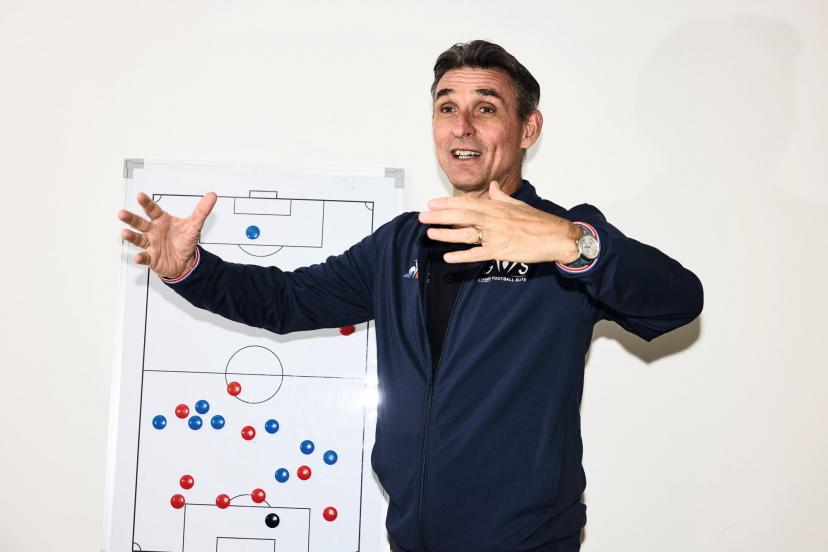
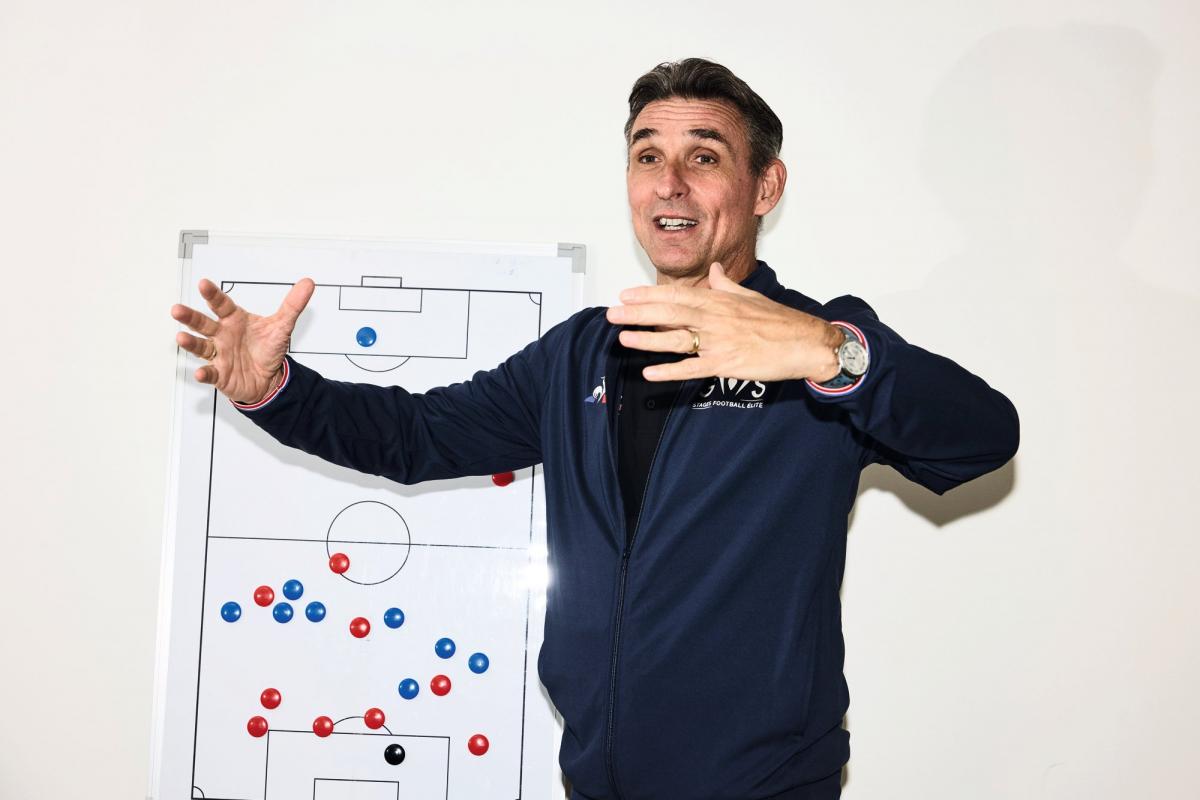
a bold tactical shift that redefined the match
Leclercq’s strategy was daring. With a defense typically organized as a back three, the coach opted for a four-man line—an audacious adjustment that allowed Lens to press higher and dominate territory in the early stages. “We split the team in two,” Warmuz explains. “Five men in the defensive block, five in the attacking block. It was all about aggression, about playing as a unit.“
The goalkeeper’s role became pivotal. “Normally, our defenders were close to me, compact. But now they were pushing up, so I had to cover the space behind them—especially for players like Nicolas Anelka and Marc Overmars, who were lightning quick. I couldn’t stay rooted in goal; I had to move forward, act like a sweeper.”
The tactical shift wasn’t just about formation—it was a statement of intent. “Our message was clear: we didn’t come to defend. We came to attack, to make them uncomfortable,” Warmuz adds. “Grand (Leclercq’s nickname) wanted us to go at them like boxers in the ring. And that’s exactly what we did.
the road to Wembley: preparation and mindset
Days before the match, the team soaked in the atmosphere of London. “We took the time to enjoy the city, to soak up the culture. This wasn’t just another game—it was a moment to remember. We were in the Champions League, representing France in a stadium as iconic as Wembley. We had earned this chance, and we weren’t about to waste it.”
Training before the match was relaxed yet purposeful. “The day before, Leclercq told us to prepare without overthinking the stakes. After training, no one wanted to leave the pitch. We could already feel something special brewing. When our bus arrived near Wembley, the weight of history hit us—we knew we were part of something historic.”
first period: intensity and defensive heroics
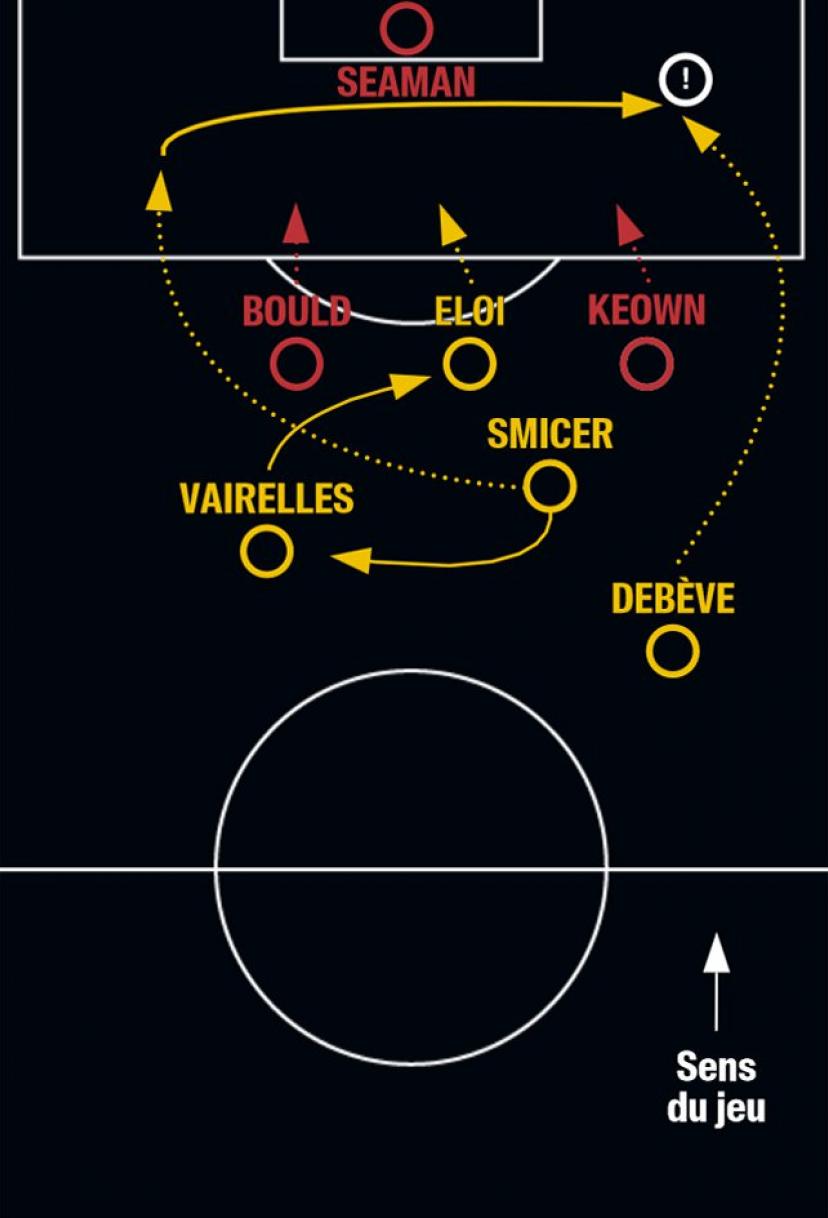
The opening minutes were electric. “We started high, right on the edge of their half. But within three minutes, we nearly conceded. Wreh had a clear chance, but he mishit the ball. I remember taking a deep breath—this was for real.” Warmuz’s interventions were crucial. “Overmars broke through early—sixth minute. I anticipated his run, intercepted the ball, and raced forward almost to the halfway line. We were dictating the game, creating chances. Smicer nearly scored with the first shot of the match.” But the defining moment came at the 31st minute. “Anelka broke free behind our defense. I had to come out—fast. He saw me approaching, tried to lob me, but I anticipated his move. I made a last-ditch slide tackle, won the ball just in time. If he’d pushed it a metre further, it’s a goal. I was lucky, but it was also down to instinct and positioning.” At 0-0, the team left the pitch composed and focused. “In the locker room, Leclercq asked us to tighten our lines. We were a bit too stretched out in some moments—like an accordion. That’s when Anelka and others found space. He made a few tactical tweaks, nothing major, but it was enough to refocus us.” “We felt strong, energized. Everyone was buzzing. As we left the dressing room, I later heard that Arsenal’s players had just been given a dressing down by their manager. They were fired up—and so were we.” The 52nd minute brought Lens’s best chance. “A Smicer cross reached Pascal Nouma inside the six-yard box. He had to score—it was the clearest chance of the match. But he hit it over the bar. Heartbreaking.” From that point on, the pressure intensified. “Overmars and Parlour kept testing us. We were exhausted, but so were they. The English team expected to dominate physically—we made sure they paid for it.” The breakthrough came in the 73rd minute. “We won the ball back in midfield. Tony Vairelles pressed hard, won it back, and played a quick one-two with Wagneau Éloi. Éloi sent a cross to Smicer, who played it back first-time. I saw Mickaël Debève arriving at the far post—barely onside—and he slotted it home. Pure joy, but we stayed disciplined. There were still 25 minutes to play; we couldn’t get carried away.” Arsenal ramped up the aggression in response. “Their players were furious. They started throwing long balls, trying to intimidate us. Our supporters never stopped singing—it was electric. We were flying, they were unhinged.” The final major chance came in the 89th minute. “Overmars broke through on goal. I came out, he tried to chip me, but I got a hand to it and held on. I was in hyper-alert mode from start to finish.” When the referee blew for full-time, the realization hit hard. “We’d done it. We’d beaten Arsenal at Wembley. We were the first French club to win there in the Champions League. No goals conceded. No mistakes. It was the best performance of my career.” As the celebrations began, Warmuz allowed himself a moment of solitude. “I took my time in the showers. Everyone left. I walked back onto the pitch alone—just me, the empty stands, the fading lights, the mist rolling in. It was surreal.” He sat on the front row of the emptying stadium, savoring the silence. “I stayed there for at least ten minutes. I thought: ‘A kid from Blanzy… this wasn’t too bad.’ Then I took a moment to give thanks. Not just for the win, but for the privilege. ‘Thank you,’ I said. ‘Not only did I win at Wembley—but I was the first to do it.’” That night in 1998 didn’t just define Warmuz’s career—it became a cornerstone of RC Lens’s identity. “We didn’t just beat a team. We conquered a myth. Arsenal, playing at Wembley for financial reasons, were expected to cruise. Instead, we showed the world what French football was made of: heart, courage, and sheer determination.” “No one will ever do what we did that night. No French club has won at Wembley since. It’s a moment that will never be repeated—but it lives on in our hearts, in our history.”halftime adjustments and psychological edge
second period: the breakthrough and unrelenting pressure
the final whistle: a moment frozen in time
legacy of a footballing miracle