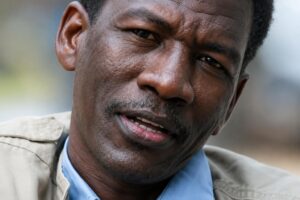

Miriam Alía, who oversees vaccination and epidemic management for Médecins Sans Frontières, analyzes the meningitis C and measles outbreaks that have impacted Niger since the start of 2018.
What factors contributed to these meningitis and measles outbreaks?
Niger has once again faced simultaneous crises of meningitis C and measles, both of which are highly infectious and potentially fatal. While immunization should theoretically prevent these occurrences, the obstacles surrounding each disease are distinct.
Regarding meningitis, there is a lack of affordable vaccines that provide comprehensive protection across all serogroups. Furthermore, global production remains limited because pharmaceutical companies show little interest in these specific markets. This scarcity often forces medical teams to act reactively only after an epidemic is officially declared, rather than implementing preventive measures. These logistical delays significantly hinder the success of immunization drives.
On the other hand, measles immunization has been part of standard healthcare protocols since 1974. However, the actual percentage of the population reached remains too low to effectively halt the spread of the virus.
Meningitis C has caused major regional crises recently. Has the situation improved?
While the African meningitis belt has been relatively quiet this year, a critical shortage in vaccine manufacturing persists. The International Coordinating Group, which manages limited vaccine stocks based on epidemiological needs, failed to reach its target of five million doses for the C serogroup this year. Consequently, vaccination usually only begins once epidemic thresholds are crossed, rather than at the first sign of an alert.
Why is there a shortage of meningitis vaccines?
Meningitis presents in various forms, specifically serogroups A, B, C, W135, and X, and no single vaccine protects against all of them. Currently, the most potent option is the quadrivalent conjugate vaccine, but its price is prohibitive. The Serum Institute of India is developing a more economical pentavalent vaccine (covering A, C, Y, W-135, and X), but it won’t be available until at least 2020. Because existing vaccines are expensive and a more comprehensive one is on the horizon, other labs are reluctant to invest in production for fear of financial loss.
How has the meningitis C outbreak in Niger been managed?
Working alongside the Ministry of Health, we successfully immunized over 30,000 individuals against meningitis C in the Tahoua region while providing clinical care for those infected. A worrying discovery was the high prevalence of the X serogroup, for which no vaccine currently exists. This remains a significant concern for future health security.
Are there alternative ways to prevent meningitis C?
Innovative prevention methods are being explored, such as using a single dose of the antibiotic ciprofloxacin. Trials conducted in Niger in 2017, with results published in PLOS Medicine in June 2018, demonstrated that mass administration of this antibiotic in rural communities can significantly lower disease transmission. Further research is needed to see if this strategy works as effectively in urban environments, but it could become a vital tool for managing smaller outbreaks.
95%: To stop the spread of measles, at least 95% of the community must be immunized, a target that is difficult to sustain in these regions.
Why does routine measles vaccination fail to stop epidemics?
The current schedule is far too restrictive regarding age. In Niger, national guidelines suggest vaccinating children up to 23 months old, yet GAVI (the Vaccine Alliance) typically only provides doses for infants under 12 months. This means the 15-month booster shot is often missing, and children over the age of one who visit health centers are frequently left unvaccinated.
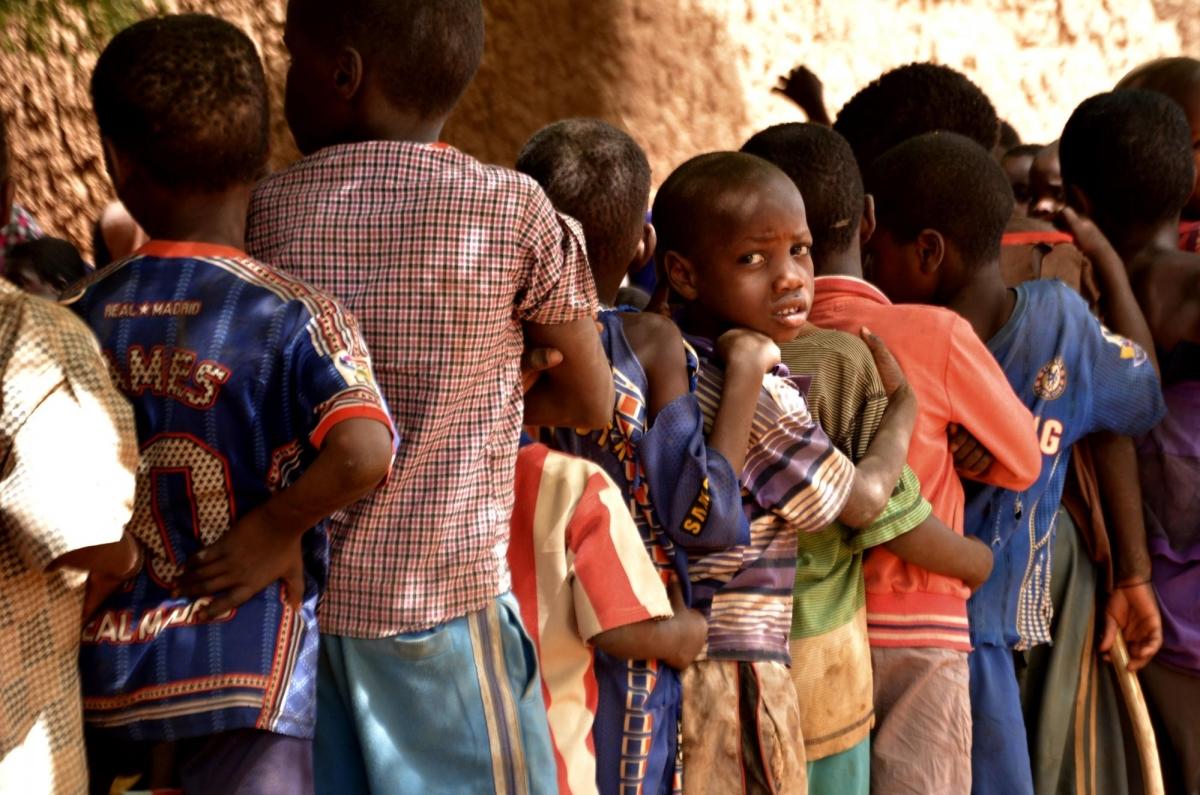
Additionally, many people in Niger lead nomadic lifestyles or live in conflict-affected zones, making it hard for them to reach traditional health centers. Achieving the 95% coverage required to stop measles transmission is an immense challenge under these conditions.
How can immunization rates be raised?
We need a more flexible pediatric vaccination window that extends to age five. Every interaction a child has with a healthcare provider should be viewed as an opportunity to update their immunizations.
Furthermore, multi-antigen campaigns are essential. For instance, during our response to the measles outbreak in Arlit (Agadez), we are also administering pentavalent and pneumococcal vaccines. When supplies allow, we also provide tetanus shots to pregnant women or those of childbearing age. We must maximize every opportunity to protect people against these preventable, deadly diseases.
Since the start of 2018, MSF and the Ministry of Health have immunized more than 179,460 people across Niger. This includes 145,843 children protected against measles in Tahoua and Agadez, and 33,620 people vaccinated against meningitis C in Tahoua. A current initiative in Arlit aims to reach 50,000 more children, providing infants with additional protection against pneumonia and other infections.