African union stance on unconstitutional power grabs draws sharp criticism

The 39th African Union summit concluded with a bold declaration: “silencing the guns” and vowing to put an end to unconstitutional power transfers. But can this promise hold weight when those behind such coups later stand for—and win—elections?
African Union’s zero-tolerance policy faces scrutiny
During the recent AU summit in Addis-Abeba, the continental body reaffirmed its commitment to rejecting unconstitutional power grabs. However, the declaration’s credibility was immediately questioned following reports of leaders who seized power through force later contesting elections under democratic processes.
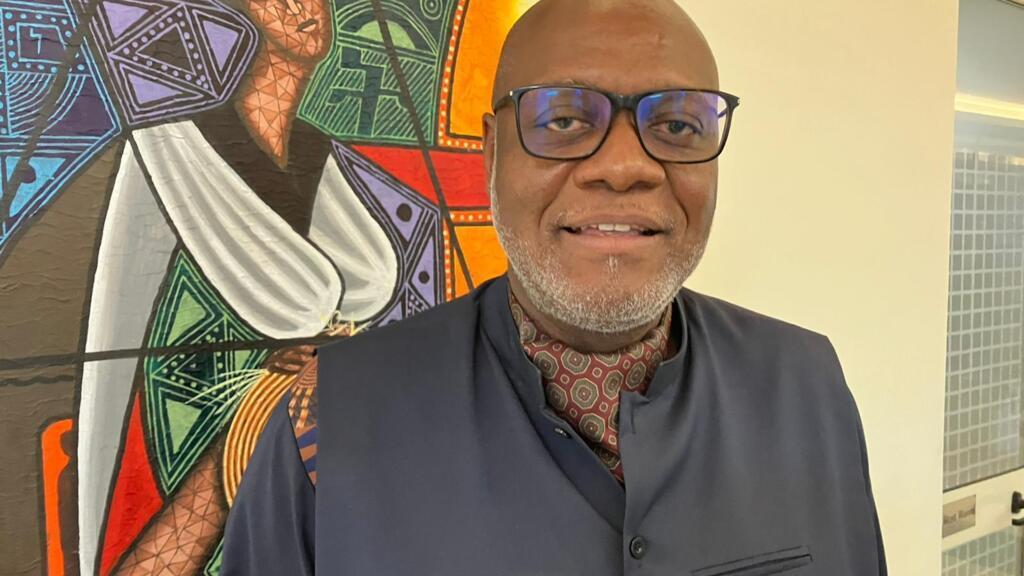
Paul-Simon Handy, a prominent Cameroonian researcher and Regional Director of the Institute for Security Studies (ISS) for East Africa, provided a critical perspective during the Afrique Midi discussion. He argued that the AU’s stance is undermined when those responsible for coups are allowed to run for office and win.
Can the AU enforce its own declarations?
Handy emphasized that while the AU’s intent to “silence the guns” is commendable, the organization’s ability to enforce its policies remains questionable. He highlighted the contradiction of condemning unconstitutional changes of power while simultaneously permitting the election of individuals who have previously orchestrated such takeovers.
The researcher pointed out that electing former coup leaders not only legitimizes their actions but also sets a dangerous precedent for future constitutional breaches. He questioned whether the AU’s declarations would translate into concrete actions or remain empty rhetoric.
Regional stability at stake
Handy’s analysis underscored the broader implications for regional stability. He stressed that the AU’s credibility hinges on its ability to hold member states accountable for their actions. Without consistent enforcement, the organization risks losing its moral authority and failing to address the root causes of instability across the continent.
The debate over the AU’s anti-coup declarations reflects deeper challenges in balancing democratic principles with the realities of political transitions in Africa. As the continent grapples with these issues, the international community continues to watch closely, questioning whether the AU can deliver on its promises.