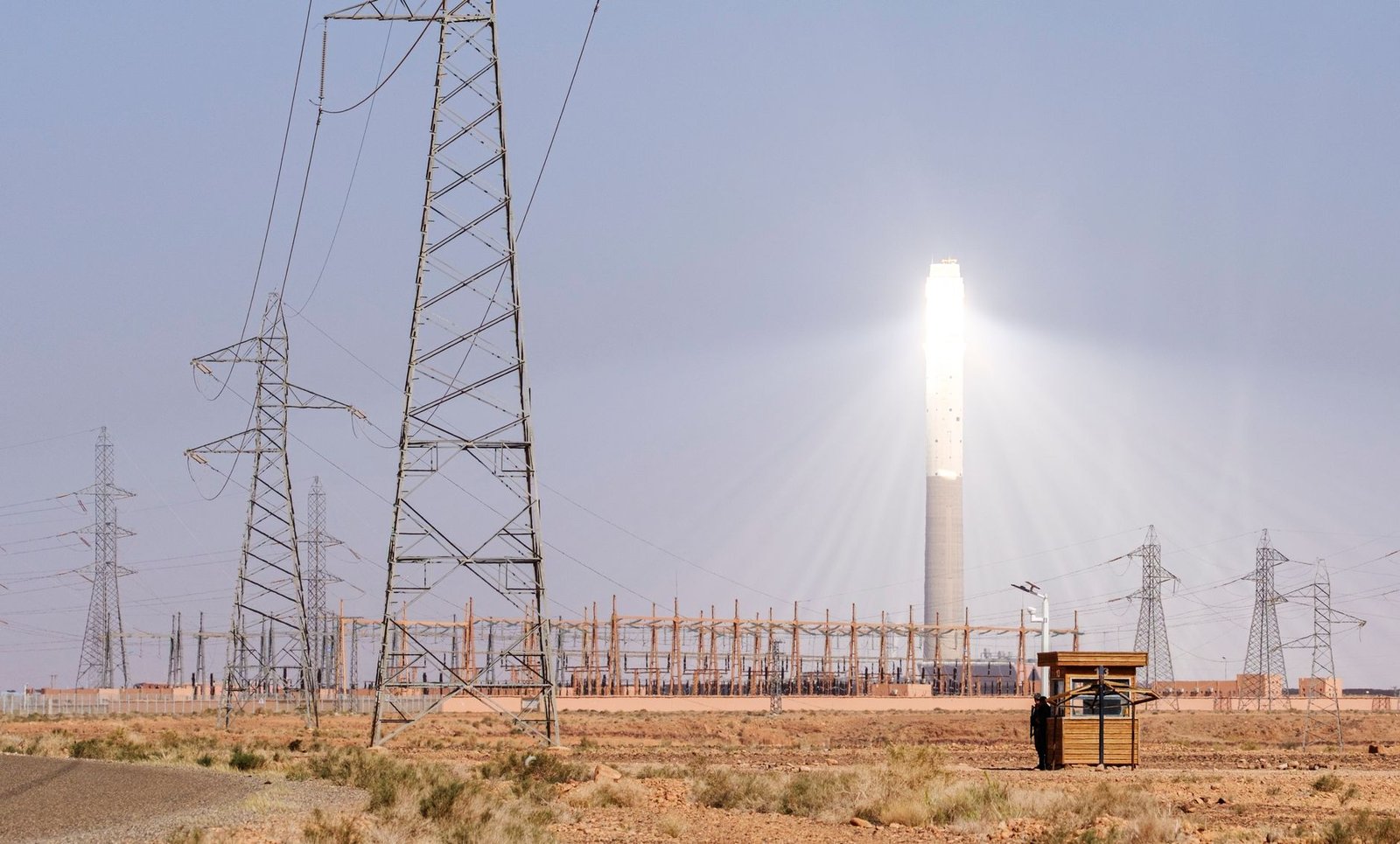

A landmark Algerian-Nigerien solidarity power plant has officially opened in Gorou Banda, a key area on the outskirts of Niamey. The inauguration ceremony saw the participation of Nigerien Prime Minister Ali Lamine Zeine alongside his Algerian counterpart Sifi Ghrieb. This significant infrastructure marks the first tangible outcome of energy commitments forged between Algiers and Niamey, set against a backdrop of evolving partnerships across the Sahel region. Beyond its symbolic importance, the project directly tackles a persistent electricity deficit that has hampered Niger’s economy and impacted the daily lives of residents in the capital.
Solidifying energy partnership in Gorou Banda
The Gorou Banda site, already recognized for its strategic electrical installations south of Niamey, now serves as a pivotal point for a new chapter in diplomatic relations between the two neighboring nations. The gathering brought together both Prime Ministers to celebrate a project presented as a gesture of solidarity from Algiers to its Sahelian partner. For the Nigerien government, formed after the transitional period initiated in July 2023, this operational launch offers a concrete solution to the pressures on the national electricity supply.
Niger has historically relied heavily on electricity imports, particularly from neighboring Nigeria. These deliveries faced disruptions following sanctions imposed by the Economic Community of West African States (ECOWAS) in the wake of the recent change in regime. Consequently, diversifying energy sources has become a strategic imperative for Niamey. The newly inaugurated power plant aligns with this objective of securing energy provision, complementing ongoing national efforts in thermal and solar power generation.
Algeria expands diplomatic influence in the Sahel
For Algiers, this initiative is a key component of its proactive engagement strategy within its southern neighborhood. Over recent months, Algerian diplomacy has been sending clear signals to Sahelian states, especially as several traditional Western partners have scaled back or withdrawn their presence from the sub-region. The delivery of this energy infrastructure serves a dual purpose: to reinforce Algerian influence and to stabilize a crucial border region whose security directly impacts Algeria’s southern provinces.
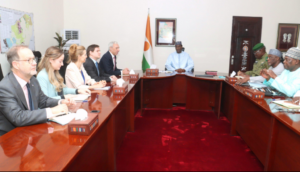
Indeed, the face-to-face discussions between Ali Lamine Zeine and Sifi Ghrieb extended beyond energy matters. Security concerns reportedly held a central position in their exchanges. The nearly 1,000-kilometer shared border represents a sensitive area, frequently traversed by armed groups, illicit trafficking, and migratory flows. Thus, energy cooperation emerges as one facet of a broader dialogue aimed at stabilizing this critical frontier.
Political significance beyond power generation
The timing of this inauguration carries significant political weight. It occurs as Niger, Mali, and Burkina Faso have formalized their departure from ECOWAS and established the Alliance of Sahel States (AES). Within this new regional cooperative landscape, Algiers is positioning itself as a key interlocutor, without formally joining the Sahelian bloc. This balanced stance allows Algerian diplomacy to engage with all regional actors, including those who remain committed to the traditional ECOWAS framework.
The Gorou Banda power plant, therefore, functions as both a practical instrument and a powerful symbol. Technically, it enhances the installed capacity in the immediate vicinity of the capital, where electricity demand is highest. Politically, it concretizes a bilateral partnership that is being championed as foundational. The coming months will reveal the full impact of announced commitments regarding longer-distance electrical interconnections, a topic frequently discussed between the two capitals.
The immediate challenge for Niamey will be to leverage this inaugural infrastructure into a sustainable mechanism for reducing its energy deficit. Nigerien authorities have made energy sovereignty a cornerstone of their public policy, and cooperation with Algiers is now a vital operational axis in achieving this national ambition.