
Burkina Faso, Mali, Niger officially enter the race for can 2032
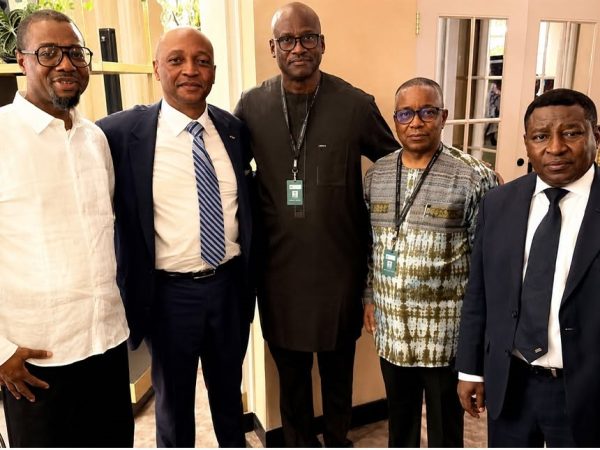
The African Football Confederation (CAF) has officially recognized the joint bid by Burkina Faso, Mali, and Niger to host the 2032 Africa Cup of Nations (CAN). This milestone, though symbolic, marks the beginning of a rigorous journey where the trio must now prove their readiness in infrastructure and security.
The historic confirmation came during a meeting in New York on July 18, where the presidents of the three national football federations—Colonel Oumarou Sawadogo for Burkina Faso, Mahamadou Cissé for Mali, and Issaka Adamou for Niger—formally submitted their declaration of interest. The announcement, made public on July 20, signals the start of a structured process rather than an outright victory.
The first step toward a continental dream
Under CAF regulations, the validation of this joint declaration is a procedural formality, outlined in Article 7.3 of the candidacy guidelines. It allows the three Sahel nations to remain in contention but does not guarantee selection. The dossier must now progress through further technical and logistical assessments before the final decision is made.
Why three editions at once?
In early July 2026, CAF opened simultaneous bidding for the 2028, 2032, and 2036 CAN tournaments, giving member associations ample time to develop competitive bids. While the 2032 edition’s timeline remains undecided, CAF will scrutinize the feasibility of the Sahel’s proposal, focusing on stadiums, hotels, and transportation networks.
This long-term strategy aims to ensure that hosts can meet the high standards required for a continental tournament, avoiding rushed preparations that could compromise the event’s success.
A familiar format with East African roots
The idea of a three-nation co-hosting arrangement is not new. Kenya, Uganda, and Tanzania will jointly organize the 2027 CAN, setting a precedent that the Sahel trio could emulate. By sharing resources, the Burkina Faso–Mali–Niger alliance could reduce the financial and logistical burden while strengthening regional cooperation.
CAF President Patrice Motsepe has praised the initiative as a model of regional collaboration, emphasizing adherence to established procedures throughout the evaluation process.
Football as a unifying force in the Sahel
The joint bid reflects broader geopolitical ambitions. Since severing ties with ECOWAS, the military-led governments in Ouagadougou, Bamako, and Niamey have pursued closer integration through shared policies on currency, defense, and diplomacy. Hosting a major sporting event like the CAN 2032 would provide the Alliance of Sahel States (AES) with a rare opportunity to showcase its unity and resilience amid ongoing security challenges.
Just days before the bid’s validation, the African Union condemned deadly attacks in Niger and Mali, underscoring the security risks facing the region. CAF’s upcoming evaluations will closely assess not only infrastructure but also safety conditions, ensuring that the tournament can proceed without disruption.
What’s next for the Sahel’s CAN dream?
With the initial hurdle cleared, the focus now shifts to concrete preparations. The three federations, in collaboration with their governments, must compile a technical dossier that meets CAF’s stringent criteria. Success will depend on their ability to deliver world-class facilities, secure venues, and maintain stability—challenges that extend far beyond the football pitch.
If realized, the CAN 2032 could serve as more than a sporting spectacle; it could become a testament to the Sahel’s capacity to transform political unity into international prestige.