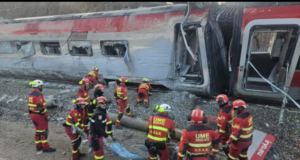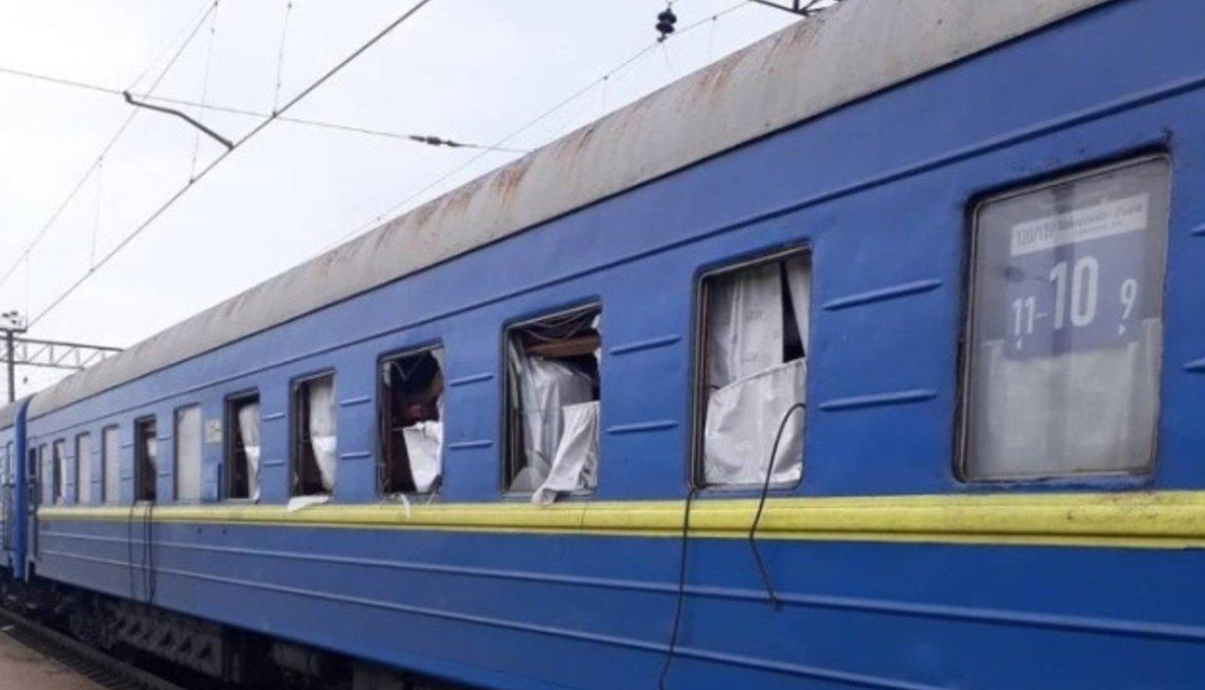

The morning calm in Dnipro, a major industrial hub in eastern Ukraine, shattered on October 29, 2026, when a Russian jet-powered drone struck a crowded railway platform. The attack, which killed at least thirteen civilians and injured dozens more, unfolded in broad daylight, targeting passengers waiting for their trains. Among the victims were travelers boarding Train 866 bound for Zaporizhzhia, a route already strained by the war’s relentless pressures.
The anatomy of a midday massacre: how the strike unfolded
The drone’s impact occurred just as morning commuters filled the station’s platforms, their routines abruptly interrupted by the explosion. Eyewitnesses described a sudden blast followed by panic as people scrambled to shelter or assist the injured. Emergency responders, local police, and military units swiftly converged on the scene, securing the area and initiating rescue operations.
Ukrainian authorities confirmed the attack’s devastating toll: thirteen civilians lost their lives, with the number of injured expected to rise as rescue teams continue their work. Mayor Borys Filatov condemned the strike as an unforgivable act, while President Volodymyr Zelensky labeled it a war crime, emphasizing the deliberate targeting of a civilian target.
Why train stations are now a battleground in Ukraine’s war
Since Russia’s full-scale invasion in February 2022, Ukraine’s railway system has become the lifeline of the nation. It facilitates the movement of civilians fleeing conflict zones, transports critical goods, and maintains essential connections between regions scarred by war. Yet these very stations, designed to serve the public, have increasingly become high-value targets for aerial strikes.
The attack on Dnipro’s platform highlights a grim reality: when a strike hits a heavily trafficked station, the ripple effects extend far beyond immediate casualties. Rail services grind to a halt, families are left stranded, and entire communities face the psychological toll of living under constant threat. Ukrzaliznytsia, Ukraine’s state railway operator, confirmed that Train 866 was among the casualties, its passengers caught in the crossfire of a conflict far from the frontlines.
Alerts and evacuation: the impossible balancing act
Despite air raid alerts issued ahead of the strike, the sheer number of passengers on the platform made full evacuation unfeasible. The delay between warning and impact left little time for civilians to seek safety, a recurring challenge for authorities grappling with drone warfare’s unpredictability. The strike on Dnipro underscores the vulnerability of civilian infrastructure, even when warnings are in place.
Drones in the war: a weapon that defies defenses
The use of jet-powered drones has introduced a new layer of complexity to Ukraine’s defense challenges. Unlike traditional propeller-driven drones, jet-powered variants can operate at higher speeds and altitudes, complicating detection and interception efforts. Their precision and range make them effective tools for striking critical infrastructure, from energy plants to transportation hubs.For Ukraine, countering this threat requires significant investment in air defense systems and real-time monitoring networks. Yet the sheer volume of attacks—coupled with the drones’ adaptability—means that no region is entirely safe. The Dnipro strike serves as a stark reminder of how deeply modern warfare has penetrated civilian life.
The geopolitical fallout: pressure mounts on Ukraine’s allies
The attack comes at a critical juncture, as Ukraine intensifies its calls for stronger military and diplomatic support from Western allies. President Zelensky has urged the United States and European nations to impose stricter measures against Russia, framing the strike as part of a broader campaign to terrorize Ukrainian civilians. The timing raises questions about Russia’s strategic objectives: Is this a calculated escalation, or a desperate measure to undermine public morale?
A tragedy etched in everyday life
For the families of the victims, the strike represents more than a statistic—it is a personal loss that will reshape their lives. Among the dead were parents, students, workers, and elderly travelers, each with stories cut short by a single moment of violence. Rescue teams continue to identify victims, while the wounded face long recoveries in overstretched hospitals.
The strike on Dnipro is not an isolated incident but a symptom of a larger crisis. As the war grinds on, the question remains: How can Ukraine protect its people when even the most mundane aspects of daily life—like catching a train—become life-threatening? The answer demands not just military solutions, but a reckoning with the human cost of this conflict.