
Why Morocco’s stance on Cuba’s embargo stands out in Africa
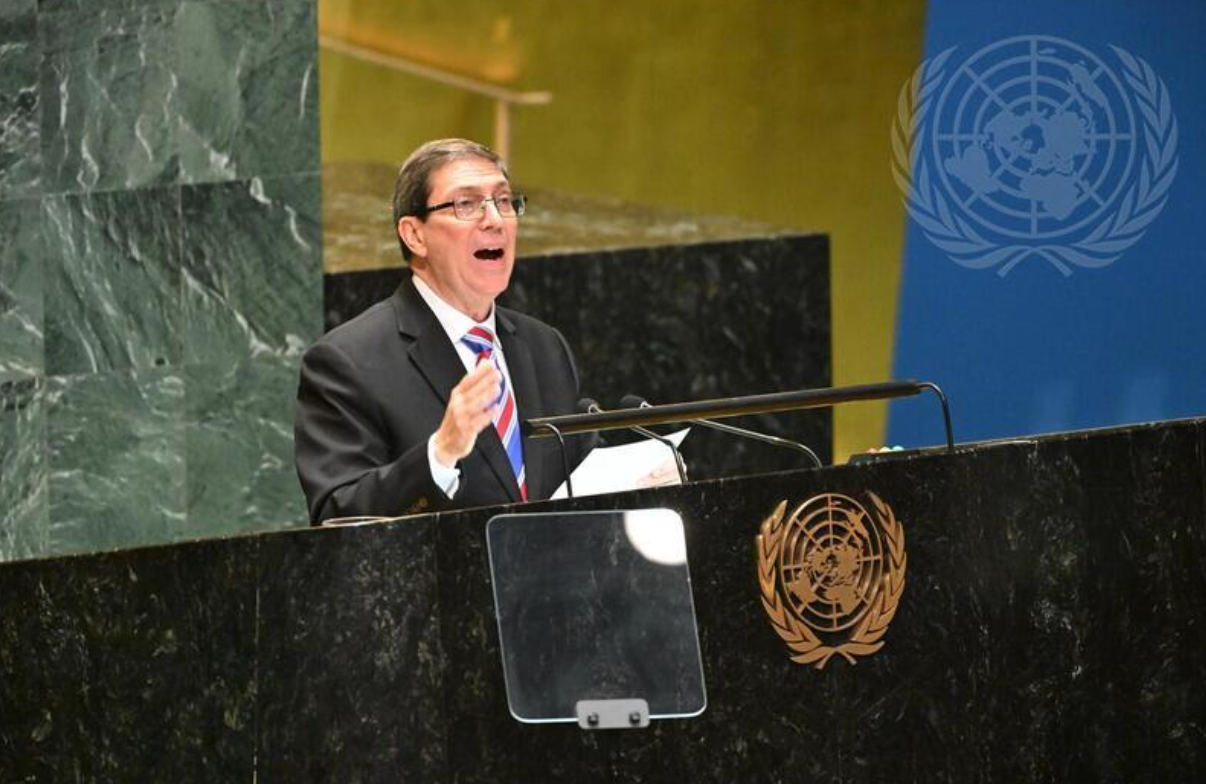
In a diplomatic landscape often marked by continental consensus, the United Nations General Assembly’s latest resolution on Cuba’s decades-long embargo revealed an unexpected split. Adopted on October 28, 2026, with 130 votes in favor, 17 against, and 25 abstentions, the vote underscored a rare divergence among African nations: Morocco emerged as the sole African country to oppose the resolution calling for the lifting of the U.S. blockade. This decision, a departure from the continent’s broader alignment, raises critical questions about the shifting undercurrents of African diplomacy and the evolving priorities of Rabat’s foreign policy.
While the resolution passed decisively, its passage was overshadowed by the singular position of Morocco, which not only voted against the text but did so after previously abstaining in prior years. This pivot signals a deeper recalibration in how the kingdom navigates its international alliances, particularly on issues traditionally seen through a pan-African lens.
From abstention to opposition: tracing Morocco’s evolving vote on Cuba
The 2026 vote marked a notable shift in Morocco’s approach to the annual U.N. resolution. Unlike previous years—when Rabat had either abstained or aligned with the African majority—the kingdom cast a dissenting vote this time, aligning with a small group of countries opposed to the measure. This change, while seemingly subtle, carries significant weight in diplomatic circles, where consistency often shapes perceptions of reliability and alignment.
Globally, several countries adjusted their positions in this year’s vote compared to 2025, when the resolution passed with 165 votes in favor, 7 against, and 12 abstentions. Germany and Italy, for instance, shifted from supporting the resolution to abstaining, reflecting a broader trend of recalibrating stances amid evolving geopolitical pressures. For Morocco, however, the reasons behind its shift remain conspicuously unarticulated, leaving analysts to speculate on the driving forces behind this decision.
Diplomatic solidarity vs. national interests: where does the balance lie for Africa?
The African Union has long championed solidarity on global issues, particularly those involving sovereignty and non-interference—a principle central to many African states’ opposition to unilateral sanctions. Historically, the continent has consistently supported resolutions calling for the lifting of the Cuba embargo, viewing it as a violation of international law and an infringement on Cuba’s right to self-determination. Morocco’s decision to break ranks with this consensus challenges the narrative of a unified African voice and underscores the complexities of navigating national interests within continental frameworks.
This divergence also invites scrutiny into whether Rabat’s position reflects a deliberate strategy to distance itself from traditional African alignments or a pragmatic response to broader geopolitical considerations. Without an official explanation, the motivations behind the vote remain a subject of debate, highlighting the opacity that often clouds high-stakes diplomatic choices.
The embargo’s enduring impact: why the debate refuses to fade
Cuba’s economic isolation, enforced through a U.S. embargo in place since the early 1960s, continues to shape the island’s challenges, from energy shortages to food and medicine scarcities. Proponents of the U.N. resolution argue that lifting the embargo would alleviate these pressures, fostering economic recovery and improving living conditions for millions. Critics, including the U.S. government, counter that the embargo is a response to Cuba’s political system and governance failures, and its removal would not address systemic issues within the country.
The debate encapsulates a broader struggle between sovereignty and accountability—a tension that resonates deeply across the Global South, where historical grievances against colonialism and external interference fuel skepticism of unilateral coercive measures. For African nations, which have long opposed economic blockades, the resolution represents a moral and legal imperative. Morocco’s opposition, therefore, forces a reconsideration of whether its stance is rooted in alignment with U.S. policy or a more nuanced calculation of its own strategic interests.
What Morocco’s vote reveals about global diplomatic realignment
The U.N. vote serves as a microcosm of shifting global dynamics, where traditional alliances are increasingly tested by emerging multipolar realities. For Morocco, a country that has historically balanced its relationships with the West, Africa, and the broader Arab world, the vote may signify a recalibration of its diplomatic priorities. The absence of a public rationale for its position leaves room for interpretation, but it also signals a willingness to defy conventional wisdom when national interests are at stake.
As the international community continues to grapple with the implications of the vote, one question looms large: will Morocco’s stance on this issue foreshadow a broader realignment in its foreign policy, or is it an isolated decision with limited consequences? What is clear is that the kingdom’s position has introduced a new layer of complexity into African diplomacy, challenging the assumption of a monolithic continental stance and prompting a reevaluation of the factors that drive national voting behavior at the U.N.
A non-binding victory for Cuba, but a symbolic shift for diplomacy
While the resolution’s adoption marks another symbolic victory for Cuba, its non-binding nature means the embargo’s fate ultimately rests in the hands of U.S. policymakers. Nonetheless, the vote’s procedural outcome—particularly Morocco’s outlier status—carries weight as a diplomatic signal. It underscores the fluidity of international alignments and the growing influence of national interests in shaping global governance.
For Africa, the vote serves as a reminder that continental solidarity is not absolute. Morocco’s decision to oppose the resolution, despite its African peers’ support, highlights the intricacies of navigating a world where pragmatism often trumps ideology. As the dust settles on this year’s U.N. session, the onus is on Rabat to clarify its motivations—if not for the international community, then for its African partners, who may view this vote as a precursor to deeper divergences in the future.