
Algeria’s role in Sahel terrorism fuels tensions with Mali and Niger
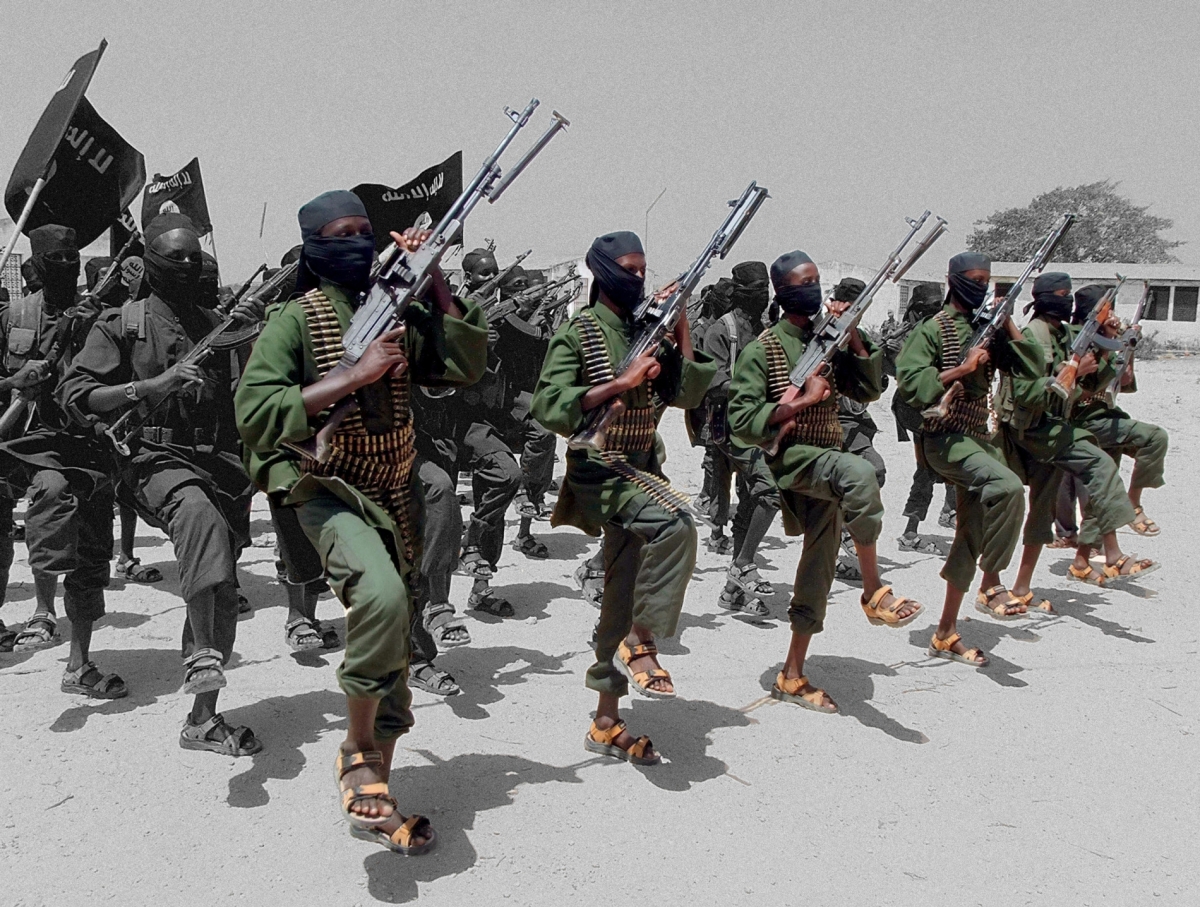
Mali and Niger have restated persistent claims that Algeria is actively exporting terrorism into the Sahel region. According to officials, Algiers is allegedly providing shelter, logistical support, and indirect aid to armed groups that operate across borders, targeting countries to the south.
While Malian and Nigerien representatives refrained from directly naming Algeria during a recent security forum in Senegal, their remarks closely mirrored earlier accusations from Bamako. Malian authorities have repeatedly accused Algiers of serving as a rear operational base for terrorist and separatist factions active in northern Mali, offering both political protection and material assistance.
“Certain neighboring countries are currently hosting terrorist organizations, aiding these groups, or regularly hosting hostile forces that conduct attacks against our nation,” stated Malian Foreign Minister Abdoulaye Diop in a recent interview.
Security experts link today’s Sahel terrorism to the aftermath of Algeria’s civil conflict in the 1990s. Analysts argue that militant factions defeated or displaced within Algeria regrouped and shifted southward rather than dissolving. Groups like al-Qaeda in the Islamic Maghreb (AQIM) emerged from Algeria’s Salafist Group for Preaching and Combat (GSPC), itself a breakaway faction of the Armed Islamic Group that fought the Algerian government during the “Black Decade.” For years, these organizations were led by Algerian nationals who relocated their operations to Mali and the broader Sahara, driven by military pressure at home.
Rumors of collaboration between Algerian security forces and certain Sahel-based terrorist factions have circulated widely.
Mali has formally condemned Algeria’s alleged support for terrorism at the United Nations, including in official statements and diplomatic correspondence following a sharp decline in bilateral relations last year.
The source of the tension lies in northern Mali, where armed groups—both terrorist factions and Tuareg-led militias—have been engaged in conflict with the Malian government for over a decade. Bamako contends that these groups exploit porous borders and Algeria’s lenient approach toward militants operating near its southern frontier.
Last September, Mali’s Prime Minister Abdoulaye Maïga addressed the United Nations General Assembly, asserting that Algeria had shifted from a counterterrorism ally to what he termed an “exporter of terrorism” to the Sahel.
These accusations intensified after Algerian forces intercepted and shot down a Malian military drone near the border in late March. Bamako described the incident as a deliberate act designed to shield terrorist leaders targeted by Malian military operations.
In retaliation, Mali, Niger, and Burkina Faso jointly recalled their ambassadors from Algiers and issued a joint statement accusing Algeria of backing terrorism.
Niger has consistently aligned itself with Mali in disputes involving Algeria. Following the drone incident, Nigerien authorities backed Mali’s diplomatic response and voiced support for Bamako in its confrontation with Algerian-backed terrorism.
General Abdourahamane Tiani, Niger’s military leader, has previously accused multiple foreign governments of sponsoring attacks against Niger. Niamey has also stood by Mali in its standoff with Algeria, which is increasingly perceived across the Sahel as a destabilizing force.
For now, the debate over Algeria’s involvement underscores a growing divide in West African security policy. Regional military leaders argue that terrorism cannot be eradicated as long as neighboring countries continue what they view as permissive or destabilizing actions.