
Amnesty urges respect for civilian movement in Mali amid jihadist blockade
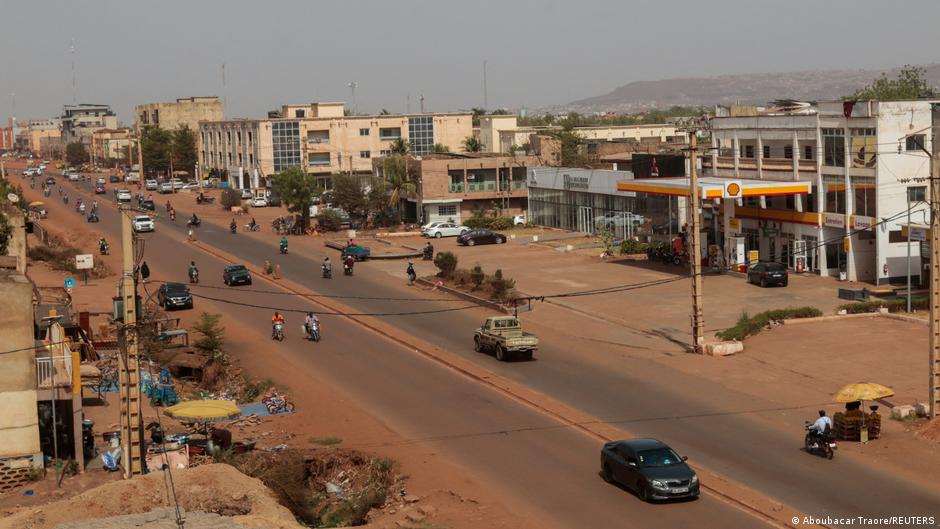
As the Group for the Support of Islam and Muslims (JNIM) tightens its stranglehold on Bamako with a road blockade now entering its third week, civilians in central and northern Mali face escalating threats to their safety and freedom of movement. The capital, entirely dependent on overland imports, has seen critical supply routes severed since April 30, leaving residents grappling with mounting hardships.
Amnesty International has issued an urgent appeal to the jihadist coalition, condemning the blockade’s severe humanitarian impact. The organization warns that restricted circulation is not only disrupting daily life but also endangering core rights—including food security, healthcare access, and personal safety. “The blockade has inflicted unacceptable harm on civilians who bear no responsibility for the conflict,” a spokesperson stated.
Targeting civilian supply chains
On May 6, armed groups intercepted a commercial convoy transporting fresh produce—including fruits—between Bamako and Bougouni in southern Mali. According to Amnesty, the trucks carried no military personnel or equipment and traveled without military escort. This incident underscores the deliberate disruption of civilian logistics, a tactic that has left markets undersupplied and prices soaring.
Military escalation in northern strongholds
The Malian Armed Forces have announced intensified airstrikes targeting Kidal, where Tuareg separatists of the National Liberation Front of Azawad (FLA) and their JNIM allies seized control in late April. Residents report intermittent power cuts and severed communications, amplifying the sense of isolation. The military claims to have conducted multiple strikes on the city, while separatist factions allege the detention of 200 Malian soldiers following clashes on April 25.
In Gao, where government control remains nominal, locals describe a climate of deep distrust. “We’re told to trust official statements,” shared a resident, noting that onion prices have doubled amid the crisis. Analysts link the unrest to broader separatist ambitions: “The push to detach northern Mali from the rest of the country is unmistakable. Meanwhile, the JNIM is escalating its campaign by seizing urban centers in the central regions,” noted political analyst Hervé Lankoandé Wendyam.
Jihadist control spreads in central Mali
In central Mali, jihadist factions now dominate swaths of territory, particularly along the left bank of the Niger River in Ségou and parts of Koulikoro. Local sources confirm the absence of state administration in these areas, where insurgents enforce zakat (religious tax) collections and shutter schools. Official data reveals over 2,300 closed schools nationwide—with the north and center bearing the brunt.
Abdoulaye Sounaye, a Sahel security expert, highlights a dangerous stalemate: “The government and military appear poised for retaliation, while the JNIM and FLA regroup for potential clashes. Civilians remain caught in the crossfire, vulnerable to abuses by all parties.” He emphasizes the need for inclusive dialogue: “A lasting solution demands negotiations involving every stakeholder—Mali’s government must engage in good faith to resolve this political crisis.“
Ahmed Ould Abdallah, of the 4S Center, echoes this sentiment: “The current crisis cuts across all social groups. The Malian government holds the key to ending this impasse through open, comprehensive negotiations.” While Bamako officially rejects talks with groups it labels terrorists, unpublicized negotiations with the JNIM have occurred to secure fuel supplies—a pragmatic acknowledgment of the group’s influence.
As Mali teeters on the edge of deeper instability, the international community’s role in facilitating dialogue grows more critical by the day.