
Human rights group urges jihadist groups to lift blockade on Bamako
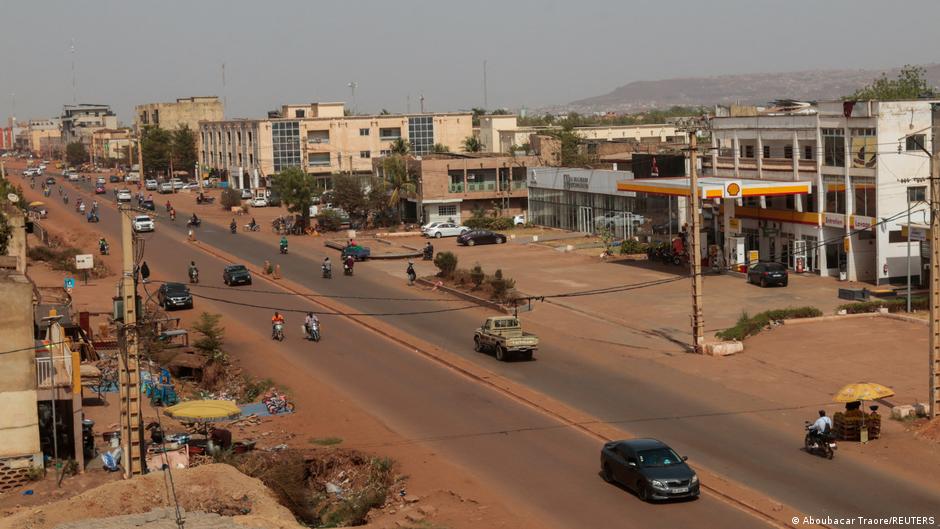
The escalating blockade imposed by jihadist factions on Bamako has plunged central and northern Mali into a deepening humanitarian crisis, with civilians bearing the brunt of restricted movement and dwindling supplies. Amnesty International has issued an urgent call for armed groups to respect international humanitarian law and restore freedom of movement for residents and traders alike.
Unacceptable toll on civilian lives
In a strongly worded statement, Amnesty International condemned the blockade—now in its third week—that has severed critical supply routes into the capital. “The current blockade of Bamako is inflicting unacceptable hardships on civilians, threatening their access to food, healthcare, and basic safety,” the organization warned. The NGO highlighted a recent incident on May 6, when jihadist forces ambushed a civilian truck convoy transporting goods—including fresh produce—between Bamako and Bougouni. Notably, the vehicles were not accompanied by military escorts and contained no military personnel or equipment.
Military response intensifies in northern strongholds
Meanwhile, the Malian Armed Forces have announced plans to escalate operations against Kidal, a strategic city in the north now under the control of Tuareg separatists and their jihadist allies. Military officials confirmed conducting airstrikes on the city, while separatist factions claim to be holding 200 Malian soldiers captive following clashes on April 25. Residents report severe disruptions, including intermittent power outages and near-total communication blackouts, leaving communities isolated and uncertain about their next steps.
Local voices paint a picture of growing distrust. A Gao resident, who requested anonymity, described soaring food prices—“the price of a kilogram of onions has doubled in just weeks”—and urged reliance on official government statements for updates. Political analyst Hervé Lankoandé Wendyam emphasized the broader implications of the crisis, stating, “There is a clear intent to sever the North from the rest of Mali. What we’re seeing in central Mali reflects a deliberate escalation by JNIM to seize urban centers, raising the stakes in an already volatile conflict.”
Central Mali descends into jihadist control
Security sources reveal that jihadist factions now dominate swathes of central Mali, particularly along the left bank of the Niger River in the Ségou and Koulikoro regions. In these areas, government institutions have effectively collapsed, with schools shuttered and local populations subjected to extortion under the guise of religious taxation. January data indicated over 2,300 schools closed nationwide, with the north and center hit hardest.
Abdoulaye Sounaye, a Sahel-based researcher specializing in jihadist movements, noted that both Malian forces and armed groups are in a phase of strategic reassessment. “The government and military leadership appear to be preparing for a decisive response, while JNIM and the FLA are likewise bracing for potential counteroffensives. Amid this standoff, it is the civilian population that continues to suffer the consequences of violence and coercion.”
Experts advocate for inclusive dialogue as the only viable path to de-escalation. Ahmed Ould Abdallah of the 4S Center stressed the urgency of political reconciliation: “The crisis is systemic, affecting all social groups. The Malian government must engage with national stakeholders across the political spectrum to negotiate a sustainable resolution. A political problem demands a political solution—one that requires openness and compromise.”
However, Bamako has repeatedly ruled out negotiations with the FLA and JNIM, labeling them as terrorist entities. Notably, even as talks remain off the table, backchannel discussions have reportedly occurred to facilitate fuel supply agreements between military authorities and jihadist factions.