
Bamako and World Bank deepen education ties with new funding push
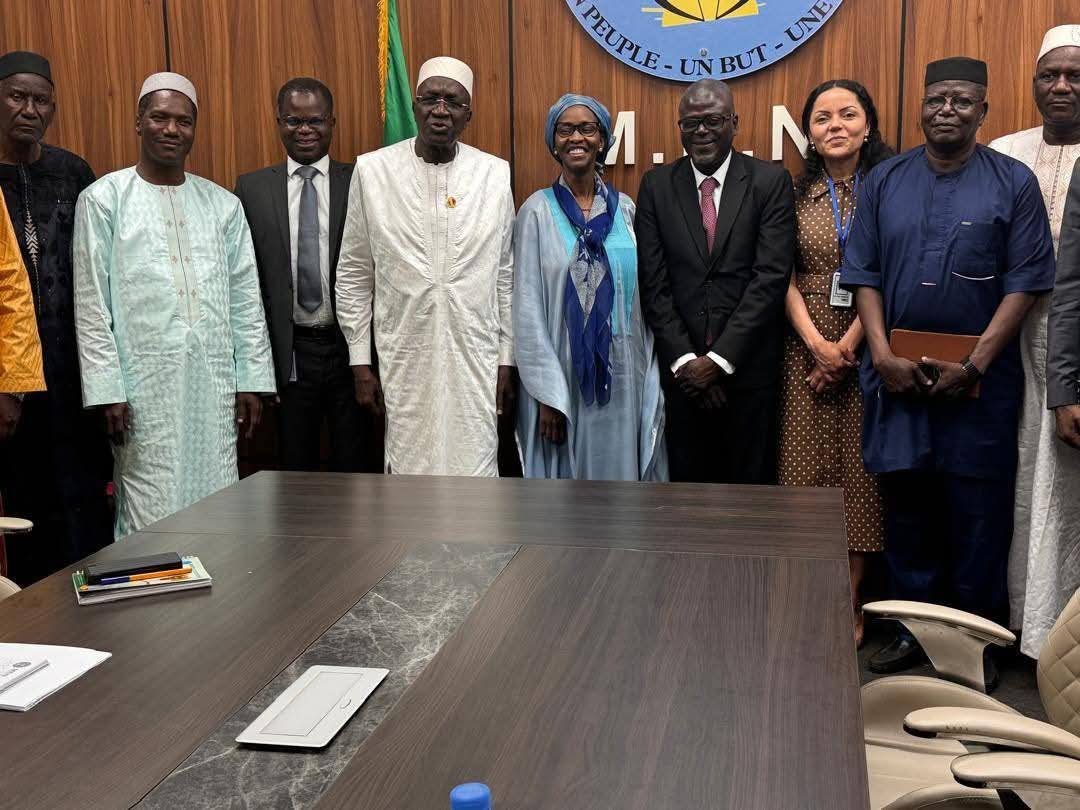
Collaborative efforts to revive Mali’s education sector amid ongoing challenges
The Malian government and the World Bank are advancing a fresh partnership to bolster the national education system, which continues to grapple with persistent obstacles such as security threats, mass displacement, and chronic underfunding.
On June 1st, Mali’s Minister of National Education, Amadou Sy Savané, met with a high-level World Bank delegation led by Awa Cissé Wagué in Bamako. The discussions centered on designing impactful initiatives to enhance human capital development and elevate educational outcomes across the country.
The renewed commitment aligns with a broader development agenda spearheaded by the financial institution, which also encompasses initiatives like rural electrification and agricultural modernization.
This latest collaboration builds upon existing World Bank-funded programs. Earlier in 2026, the institution greenlit a $150 million grant from the International Development Association (IDA) to safeguard critical services in health and education. The initiative is designed to reach over one million students by facilitating school enrollment, streamlining national exams, and upgrading learning environments.
Alarmingly, Mali’s education infrastructure remains under severe strain due to ongoing security crises in multiple regions. School closures, widespread displacement, and logistical barriers continue to undermine academic progress and student performance.
Moving forward, both parties will finalize the details of upcoming projects, including funding mechanisms and implementation timelines. For Bamako, this strategic alliance represents a vital opportunity to stabilize and revitalize an education system deemed essential for the nation’s long-term prosperity.