
Gold mining accountability in africa: national and foreign operators under scrutiny
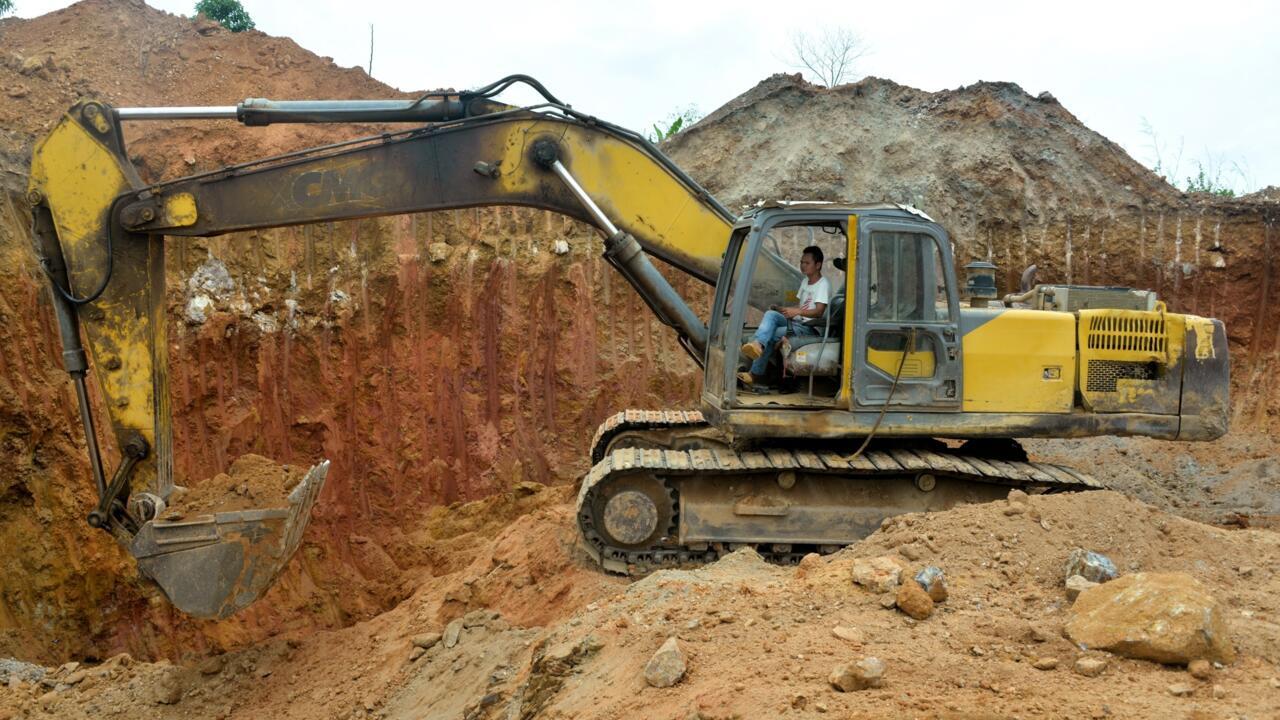
In both Cameroon and the Democratic Republic of Congo, the gold mining sector faces persistent transparency gaps despite ongoing oversight efforts. Recent findings by the Institute for Security Studies (ISS) reveal that revenue from gold exports is barely reaching state coffers, signaling systemic inefficiencies in regulatory frameworks. The 2023 figures from the Extractive Industries Transparency Initiative (EITI) underscore this disparity: while Cameroon officially reported exporting just 22 kilograms of gold, import records from trading partners indicate purchases totaling 15 metric tons.
Calls for stricter oversight and accountability
Professor Aïcha Pemboura, a researcher at the Observatoire du crime organisé et de la violence en Afrique centrale and a key contributor to the ISS report, emphasizes the urgent need for both national and international operators to be held accountable. Speaking to Magali Lagrange, she highlighted critical failures in revenue tracking and enforcement mechanisms that allow substantial earnings to vanish from public records.
Key challenges in gold sector governance
The discrepancies between reported and actual gold exports are not isolated incidents. They reflect broader issues plaguing the sector, including:
- Weak regulatory enforcement: Despite formal declarations, on-the-ground monitoring remains inadequate, enabling underreporting and illicit trade.
- Revenue diversion: A significant portion of earnings from gold sales is diverted away from state budgets, limiting funds available for development and infrastructure.
- Lack of transparency: Discrepancies between official and trade partner reports reveal systemic gaps in data reliability.
A regional perspective on transparency
These challenges are not unique to Cameroon and the DRC. Across Africa’s gold-rich nations, similar patterns emerge, often fueled by weak governance, corruption, and limited institutional capacity. The ISS report serves as a wake-up call, urging policymakers and industry stakeholders to implement stricter controls and ensure that gold revenues contribute meaningfully to national progress.
Pathways to reform
To address these issues, experts recommend a multi-pronged approach:
- Strengthening institutional oversight: Empowering regulatory bodies to conduct thorough audits and impose penalties for non-compliance.
- Enhancing transparency in reporting: Implementing real-time tracking systems to align official data with trade records.
- Promoting stakeholder collaboration: Encouraging cooperation between governments, industry players, and civil society to foster accountability.
Without decisive action, the gold mining sector in these countries risks perpetuating cycles of underdevelopment and financial opacity. The moment to act is now—before another ton of gold slips through the cracks of unchecked exploitation.