
Cameroon politics: the rise and fall of Edgar Alain Mebe Ngo’o
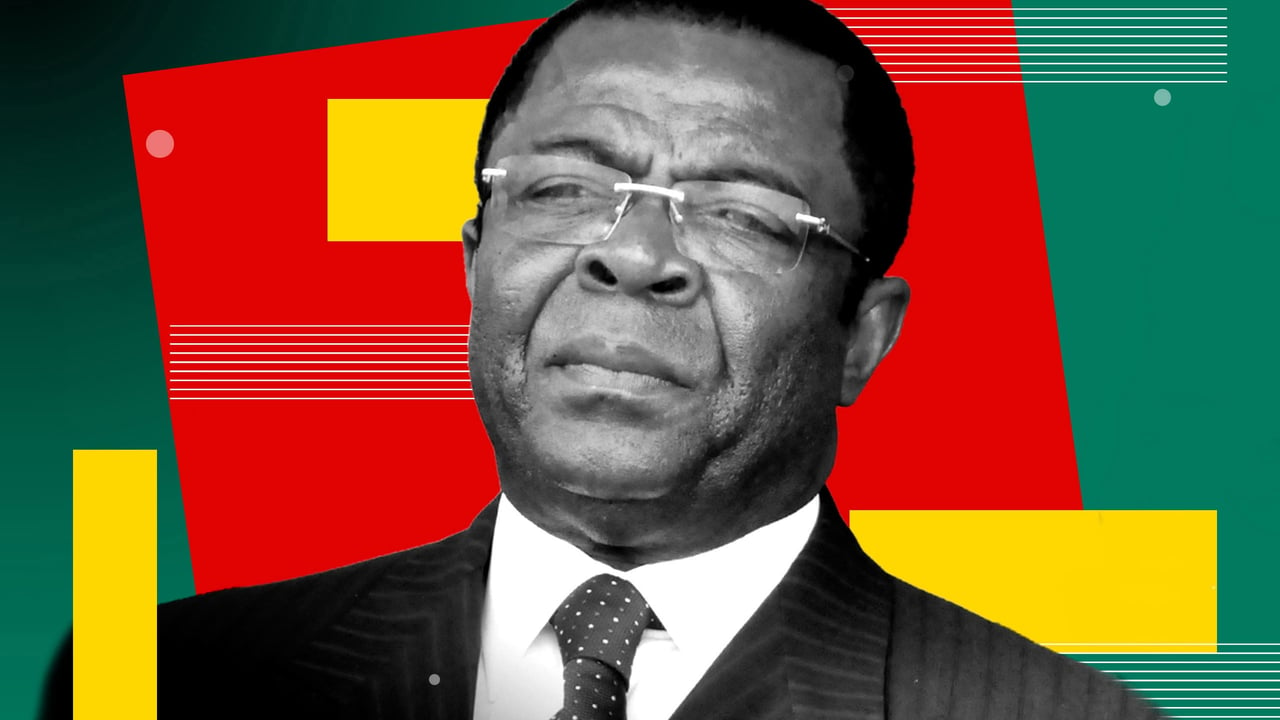
In Cameroon’s political landscape, few figures embody the triumph and abrupt decline of public officials as starkly as Edgar Alain Mebe Ngo’o. Once a powerful security figure, his career became a cautionary tale of ambition, power struggles, and the unforgiving nature of high-stakes governance.
Mebe Ngo’o’s story is not just his own—it reflects a broader pattern in Cameroon’s political history, where loyalty to the state often comes with strings attached. His trajectory from a trusted security architect to a figure sidelined by the very system he helped build offers a glimpse into the inner workings of power in Yaoundé.
The making of a security strongman
Edgar Alain Mebe Ngo’o rose through the ranks during a period when Cameroon’s leadership relied heavily on security apparatuses to maintain control. As a key figure in the Ministry of Defense and later as Minister of Transport, he was instrumental in shaping policies that prioritized stability—often at the expense of political dissent. His influence grew alongside the country’s evolving security challenges, making him a central player in the regime’s strategy to curb internal and external threats.
Yet, his ascent was not without controversy. Critics argued that his methods sometimes blurred the line between national security and political repression, particularly during periods of heightened instability. Despite these debates, Mebe Ngo’o remained a fixture in Cameroon’s corridors of power, trusted by the presidency to navigate the country’s complex security landscape.
From privilege to political exile
The turning point in Mebe Ngo’o’s career came when his loyalty was tested against shifting political winds. As internal power struggles intensified, figures once considered untouchable found themselves on the wrong side of the equation. His eventual sidelining was not just a personal setback—it signaled a broader reshuffling of Cameroon’s political elite, where even the most entrenched officials could be swept aside.
Unlike some of his predecessors, Mebe Ngo’o did not fade quietly into obscurity. His departure was marked by a series of public disputes and legal battles, further fueling speculation about the true reasons behind his downfall. Was it a calculated purge? A power grab by rival factions? Or simply the natural consequence of a system that devours its own?
Legacy and lessons from a fallen official
Edgar Alain Mebe Ngo’o’s story serves as a reminder of the fragile nature of power in Cameroon. For those who have risen alongside the regime, the line between influence and irrelevance can be razor-thin. His case also highlights the broader challenges of balancing security imperatives with democratic expectations—a tension that continues to shape Cameroon’s political future.
As Cameroon navigates its next chapter, the rise and fall of figures like Mebe Ngo’o will likely be studied as both a cautionary tale and a case study in the mechanics of power retention. Whether his legacy will endure in the annals of the country’s political history remains to be seen, but his story is undeniably one of the most compelling of his generation.