
Benin Morocco visa exemption boosts bilateral ties and trade
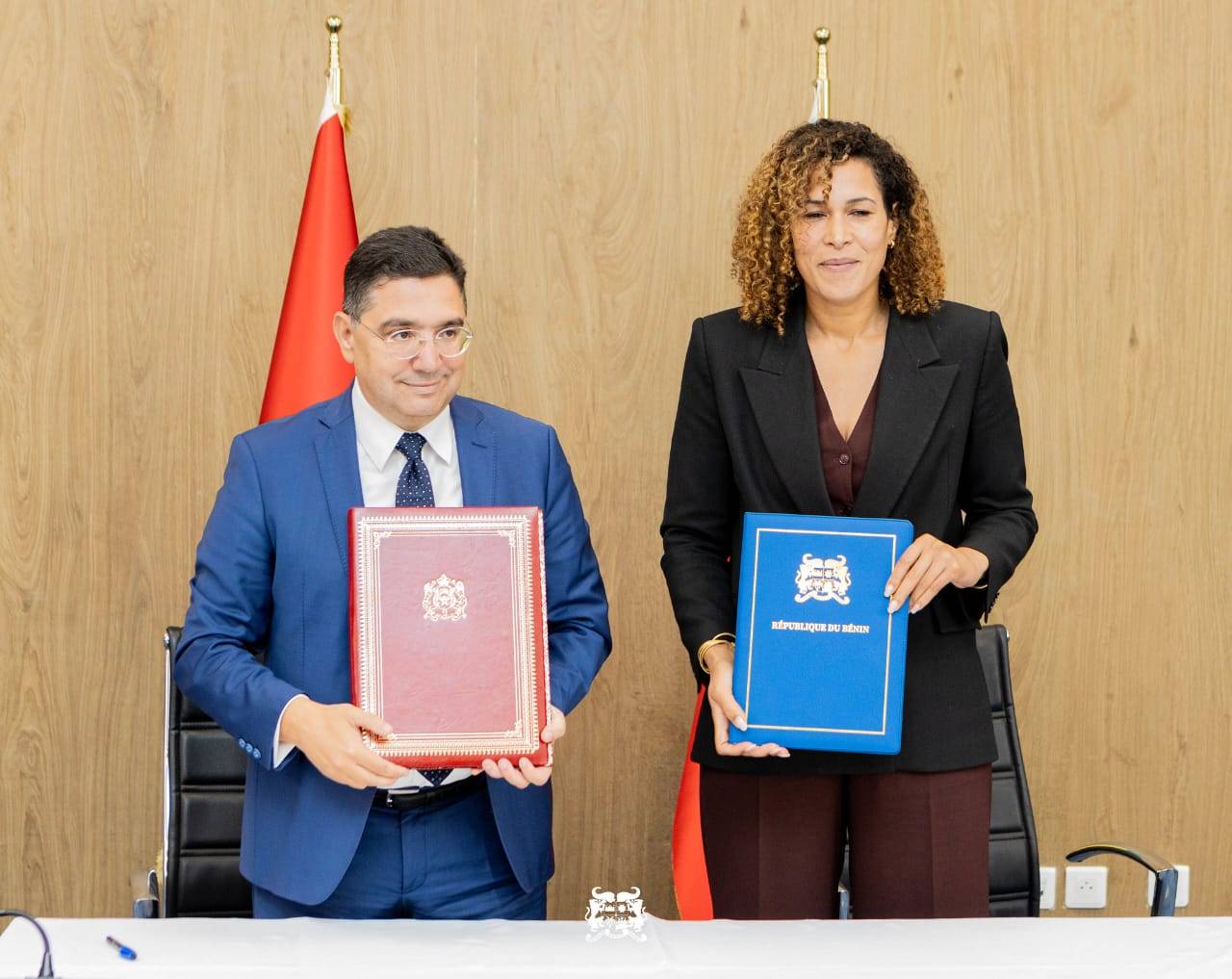
During a high-level gathering in Cotonou, Benin and Morocco marked a pivotal moment in their diplomatic and economic relationship. The seventh session of the joint cooperation commission brought together officials to solidify a partnership built on shared ambitions. Among the outcomes, a significant proposal emerged: Morocco is now considering lifting visa requirements for Beninese citizens holding standard passports.
Diplomatic breakthrough in West Africa
The July 2026 meeting in Cotonou was more than just a routine gathering. It represented a deliberate step toward transforming historical ties into a dynamic economic and mobility partnership. Nasser Bourita, Morocco’s Minister of Foreign Affairs, announced the potential visa exemption, signaling a deepened trust between the two nations.
The gesture is symbolic yet profound. While the formal implementation is still pending, the announcement underscores a growing alignment in policy and mutual confidence between Benin and Rabat.
Unlocking economic potential through mobility
The proposed visa exemption is set to revolutionize trade and investment between the two countries. Administrative hurdles and visa delays have long posed challenges for entrepreneurs, startups, and investors. By easing these barriers, small businesses and enterprises on both sides will gain easier access to each other’s markets.
Moroccan investors, already active in West Africa’s banking and insurance sectors, could accelerate their expansion in Benin. Meanwhile, Beninese exporters would find a smoother path into North Africa’s markets.
“Free movement is the backbone of cross-border trade. Removing visa barriers reduces transaction costs and fosters business confidence.”
The announcement builds on a 2024 initiative—the introduction of Morocco’s e-Visa system—which already streamlined administrative processes. A full exemption would mark the next logical step toward seamless business interactions.
Education, tourism, and cultural exchange
The benefits extend far beyond economics. Morocco has long been a top destination for Beninese students pursuing higher education. A visa-free policy would simplify their academic journeys and encourage more young professionals to study abroad.
Tourism and cultural exchanges are also poised to flourish. Travelers will find it easier to explore destinations like Marrakech, Fès, and Ouidah, whether for business, leisure, or medical purposes. The move also paves the way for increased scientific and technical collaboration.
Fourteen agreements to strengthen ties
The visa proposal was not the only highlight of the commission. Fourteen strategic agreements were signed, covering key sectors such as economics, higher education, culture, investment, and institutional cooperation.
These agreements set ambitious goals, including expanded scholarship programs, mutual investment protections, and collaboration in creative industries. Both nations have committed to rigorous monitoring to ensure these commitments translate into tangible results on the ground.
Setting an example for African integration
This initiative aligns with Morocco’s vision for stronger South-South cooperation and Benin’s goal of deepening regional integration. By prioritizing the free movement of people and goods, the two countries are taking concrete steps to advance the African Continental Free Trade Area (AfCFTA).
The finalization of the visa exemption is eagerly awaited, as it promises to reshape daily life for citizens on both sides of this growing partnership.