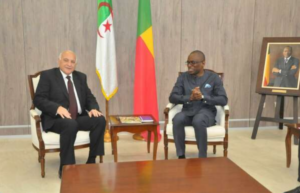

Benin and France have reached a pivotal moment in their bilateral cooperation, marked by a landmark agreement signed in Paris that promises to reshape the economic and social landscape of West Africa’s rising nation. The landmark deal, finalized during a high-profile ceremony at the Élysée Palace, unlocks 65.5 billion West African CFA francs in fresh financing, earmarked for critical infrastructure projects across the sectors of electricity, agriculture, and healthcare.
Breaking ground on a new era of Franco-Beninese partnership
This moment represents a turning point for Benin, signaling tangible progress toward sustainable development goals long championed by both nations. The agreements forged in Paris on Monday, October 5, 2026, reflect a shared vision: to convert financial commitments into real-world improvements in energy access, food security, and public health for millions of Beninese citizens.
The 65.5 billion FCFA injection—mobilized through collaboration between French institutions and European allies—reinforces the strategic alliance between Cotonou and Paris. These funds will be deployed in areas where investment can yield the most impact, ensuring that development reaches every corner of the country.
Electricity: Sparking a brighter future for businesses and homes
Energy infrastructure stands at the forefront of these transformative investments. Recognizing that reliable electricity is the backbone of economic growth, the partnership targets upgrades to Benin’s power grid, expansion of renewable energy sources, and enhancement of rural electrification programs.
With this influx of capital, Benin is poised to reduce energy poverty, lower operational costs for industries, and enhance service delivery across government agencies, hospitals, and schools. A robust energy sector, the government asserts, is essential for attracting foreign direct investment and fostering local entrepreneurship.
What the energy investments aim to achieve:
- 25% increase in national electricity access within five years
- 1.2 million households connected to the national grid
- 30% reduction in urban power outages
- Development of 300 MW in new clean energy capacity
Agriculture: cultivating growth and food independence
As Benin’s largest employer and a key driver of GDP, agriculture receives strong support in the new agreements. The financing will strengthen value chains, modernize farming techniques, and expand market access for smallholder producers.
By investing in irrigation systems, post-harvest storage facilities, and agricultural research, the partnership seeks to boost productivity and resilience against climate shocks. The ultimate goal is to reduce food imports, improve rural incomes, and secure long-term food sovereignty for the nation.
Core agricultural objectives backed by the deal:
- Support for 500,000 smallholder farmers with improved inputs and training
- Construction of 10 modern grain silos to cut post-harvest losses by 20%
- Expansion of 30,000 hectares of irrigated land
- Launch of five new agri-business parks to create 5,000 jobs
Healthcare: strengthening systems to protect lives
Healthcare reform takes center stage as well, with funds directed toward building and renovating hospitals, clinics, and medical training facilities. The focus is on equitable access to quality care, especially in underserved regions.
The investments will enable Benin to strengthen its health workforce, upgrade medical equipment, and expand vaccination programs. By strengthening primary healthcare, the nation aims to reduce maternal and infant mortality rates and improve pandemic preparedness.
Health sector milestones tied to the financing:
- Construction of 20 new community health centers
- Renovation of 15 regional hospitals
- Training for 3,000 nurses and midwives
- Provision of 150 ambulances to improve emergency response
European collaboration amplifies impact
The 65.5 billion FCFA commitment is not a solo effort. European institutions and private investors have joined forces with French development agencies to ensure the success of these initiatives. This collective mobilization underscores confidence in Benin’s economic trajectory and its commitment to reform.
Together, the partners are aligning behind a results-driven agenda—one that prioritizes transparency, accountability, and measurable outcomes. The Élysée ceremony was not merely symbolic; it set the stage for sustained collaboration through joint monitoring, technical support, and periodic performance reviews.
From paper to progress: the path to implementation
The true test of these agreements lies in execution. Benin’s government has pledged to fast-track project rollouts with strict oversight, while French and European partners will provide continuous monitoring and advisory support.
While the benefits will unfold over time, early indicators suggest significant potential: improved energy access will power local businesses, increased agricultural yields will boost rural livelihoods, and upgraded health services will save lives. These are not just financial transfers—they represent a bold step toward inclusive, sustainable growth.
As Benin charts its next chapter of development, this partnership with France and Europe stands as a powerful testament to what strategic collaboration can achieve—turning vision into reality, and promises into progress.