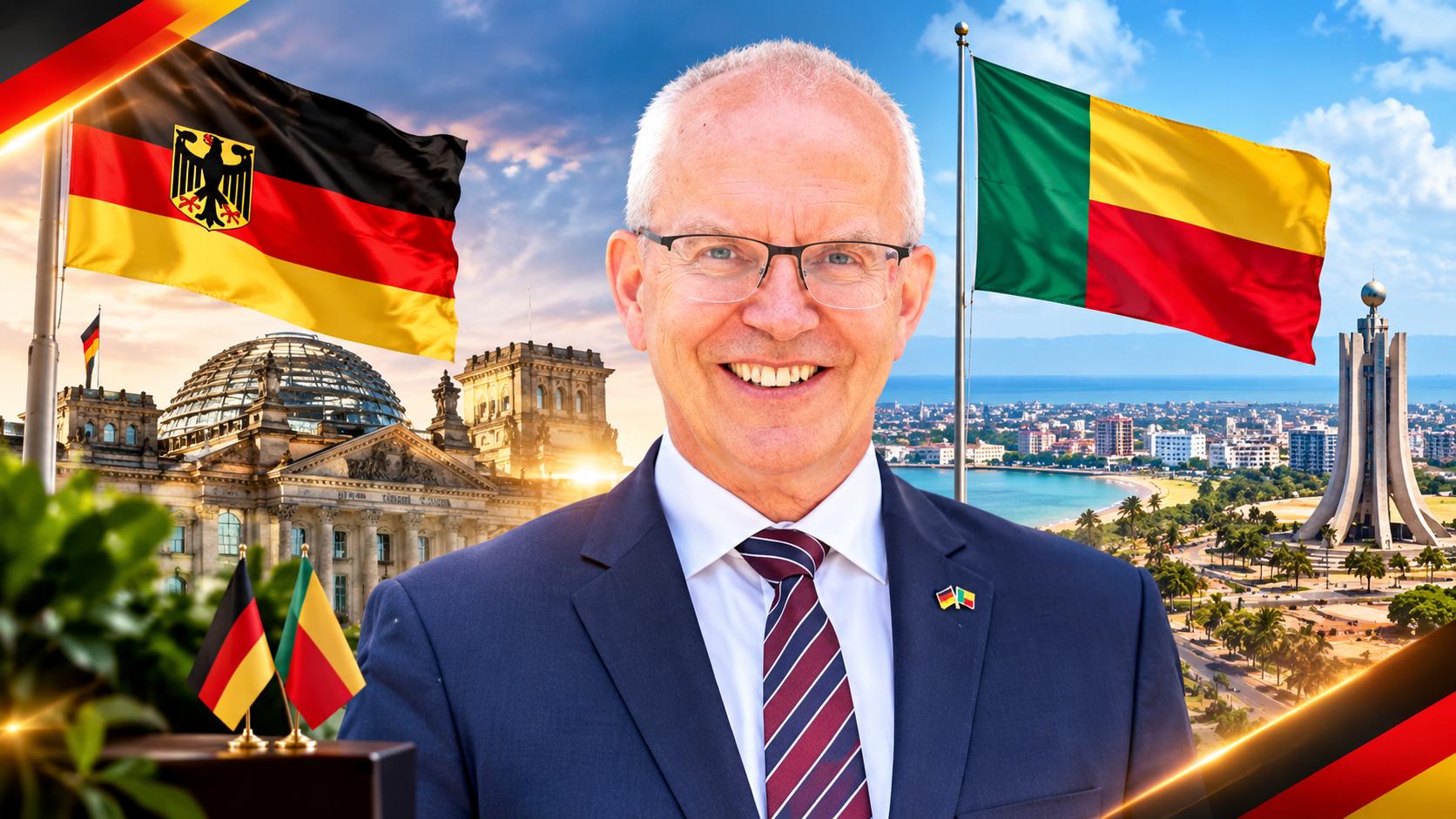

Cotonou made decisive progress in its partnership with Berlin this month as high-level consultations set the stage for a major shift in Benin-Germany relations. On October 8, 2026, senior officials from both nations concluded strategic bilateral talks that will shape the agenda ahead of the landmark Berlin negotiations scheduled for 2027.
Unprecedented financial commitment fuels three critical development areas
German authorities have injected an additional €15 million (approximately 9.8 billion FCFA) to accelerate cooperation programs in Benin, marking a turning point in bilateral relations. The funds will drive progress in three strategic focus areas:
- Solar energy integration: A new photovoltaic component will be added to the Nangbéto hydroelectric dam, creating the region’s first hybrid hydro-solar power plant.
- Small business empowerment: Expanded technical advisory programs will support small and medium enterprises (SMEs), with a dedicated focus on women-led ventures.
- Institutional strengthening: Enhanced budget management and decentralization initiatives will reinforce local governance frameworks.
Berlin 2027 negotiations poised to redefine partnership priorities
The funding announcement follows intensive deliberations between Hugues O. Lokossou, Benin’s Minister for External Resource Mobilization and Debt Management, and Dr. Silvia Morgenroth, Director of the German Federal Ministry for Economic Cooperation and Development’s West Africa Division. Their joint statement underscores the momentum building toward next year’s intergovernmental summit in Germany’s capital.
German representatives highlighted Benin’s progress under its Government Action Program (PAG), particularly in economic reform and governance. This alignment strengthens the foundation for Berlin’s 2027 talks, which will formalize long-term commitments across multiple sectors.
Green priorities and youth employment take center stage
The enhanced cooperation reflects shared priorities in sustainable development and human capital. Key initiatives include:
- Vocational training reforms: Efforts to align education with labor market needs, targeting youth employment.
- Environmental resilience: Water management and biodiversity preservation programs to support vulnerable communities.
- Private sector growth: Structured support for entrepreneurship, with special programs for women in business.
The dual focus on renewable energy and inclusive economic policies signals a breakthrough in how both nations approach development cooperation.
What to expect from Berlin 2027
With the €15 million injection already unfolding and preparations underway for next year’s negotiations, stakeholders anticipate a transformative phase in Benin-Germany relations. The 2027 summit will likely:
- Formalize multi-year funding commitments
- Expand joint projects in renewable energy and governance
- Strengthen private sector collaboration
As both countries gear up for this pivotal moment, the enhanced partnership sets a new benchmark for cooperation in West Africa.